
When we first arrived in Bali, the first place we visited on the island was a popular restaurant in Canggu. Not a beach, temple, or waterfall, but a restaurant. When meeting new people in Bali, or chatting on social media with friends who have already been to the island, everyone immediately advised us where to have breakfast, coffee, dinner, or a cool avocado toast. At first, it seemed strange to us and even put us in a bit of a stupor: what was going on? But after a few days, everything fell into place. We saw everything with our own eyes and realized that Bali has a cult of various cool cafes!
Gastronomy in Bali is one of the most extensive and popular topics. It’s legendary, with thousands of photos on social media, from simple rice on banana leaves somewhere in a local cafe to fancy bowls in expensive dishes against the backdrop of a gorgeous interior and landscape.
Content:
The phenomenon of food in Bali
Bali has everything your heart desires: from the most delicious seafood to all kinds of fruit smoothies, avocado toast, bowls, and vegan dishes. Some of the most popular photos on Instagram with the #Bali tag are smoothie bowls, poolside breakfasts, or restaurants with pink walls. Every tourist has a post on “What and where to eat in Bali” and there is an explanation for this. The level of establishments is rapidly gaining momentum, everyone is trying to surprise and come up with something interesting. Here it is, the cafe cult, which is actively developing, faster and faster. So it’s only fair that the island has become associated with trendy establishments and a place where you can realize your wildest food fantasies.
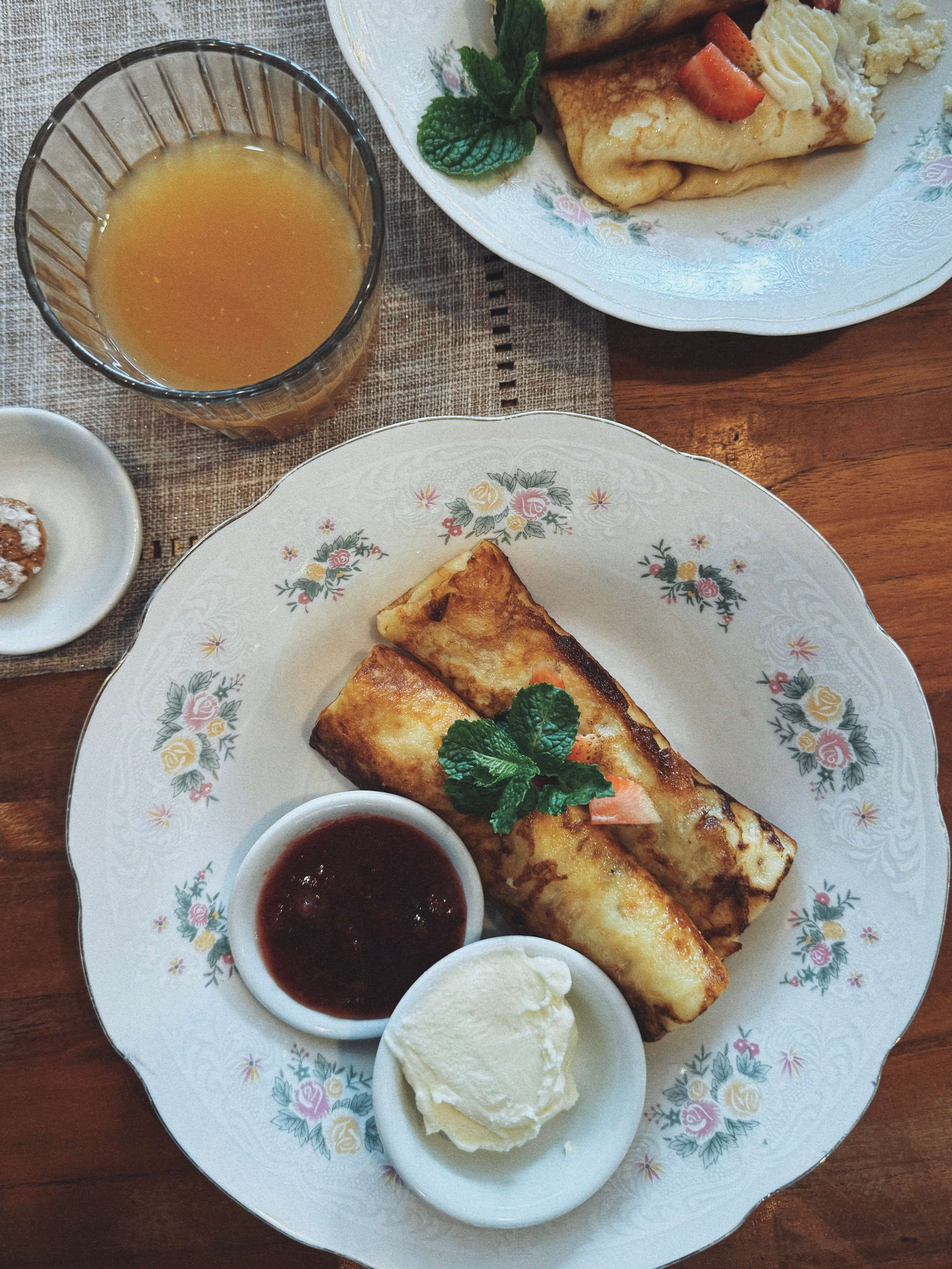
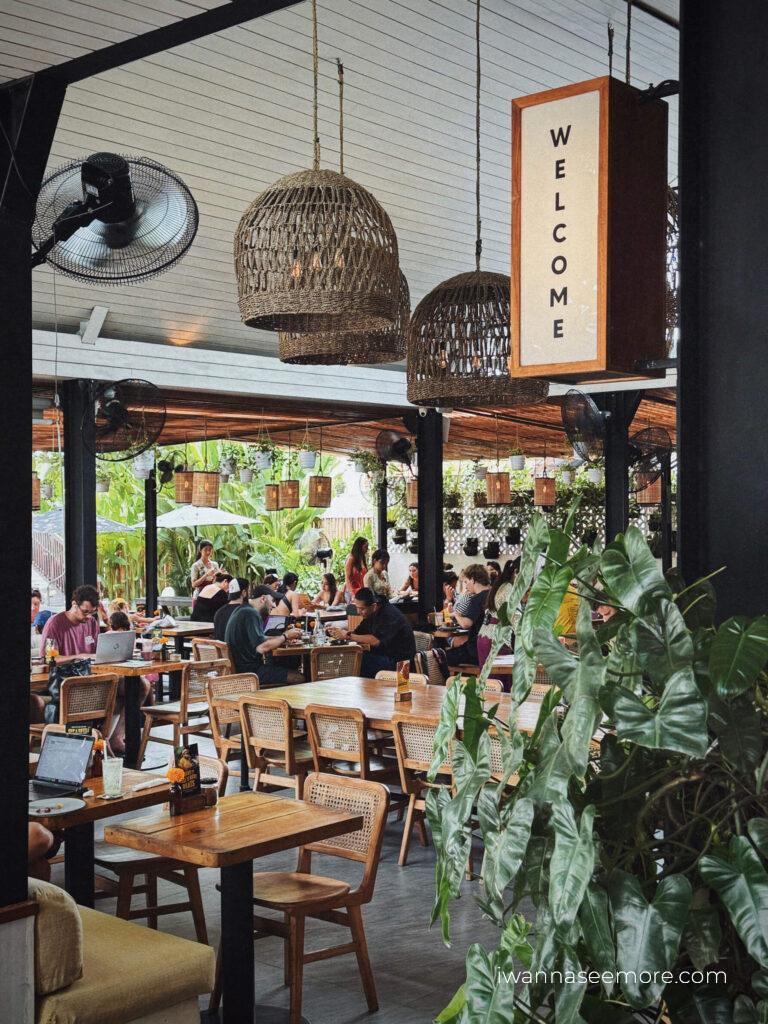
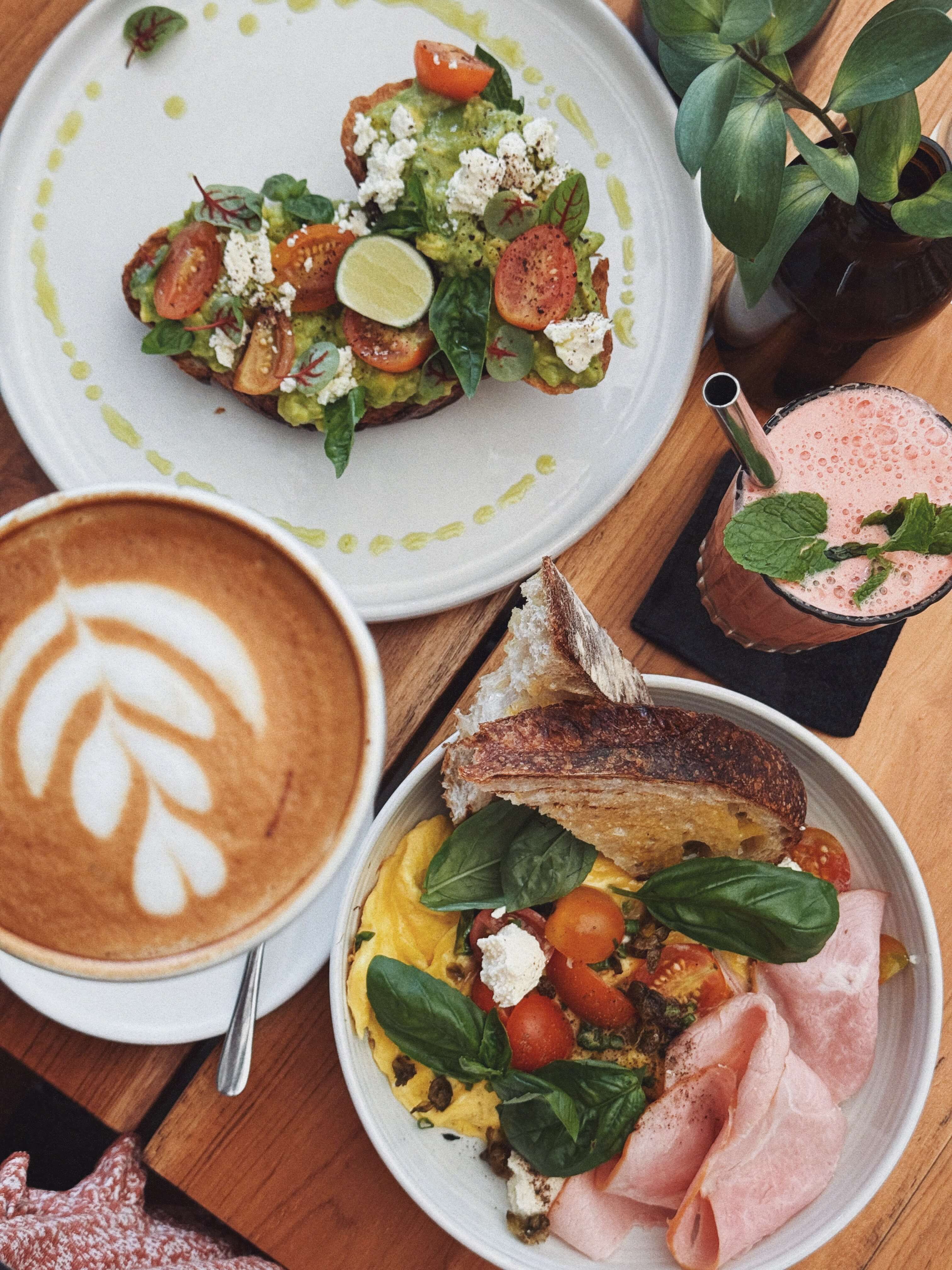
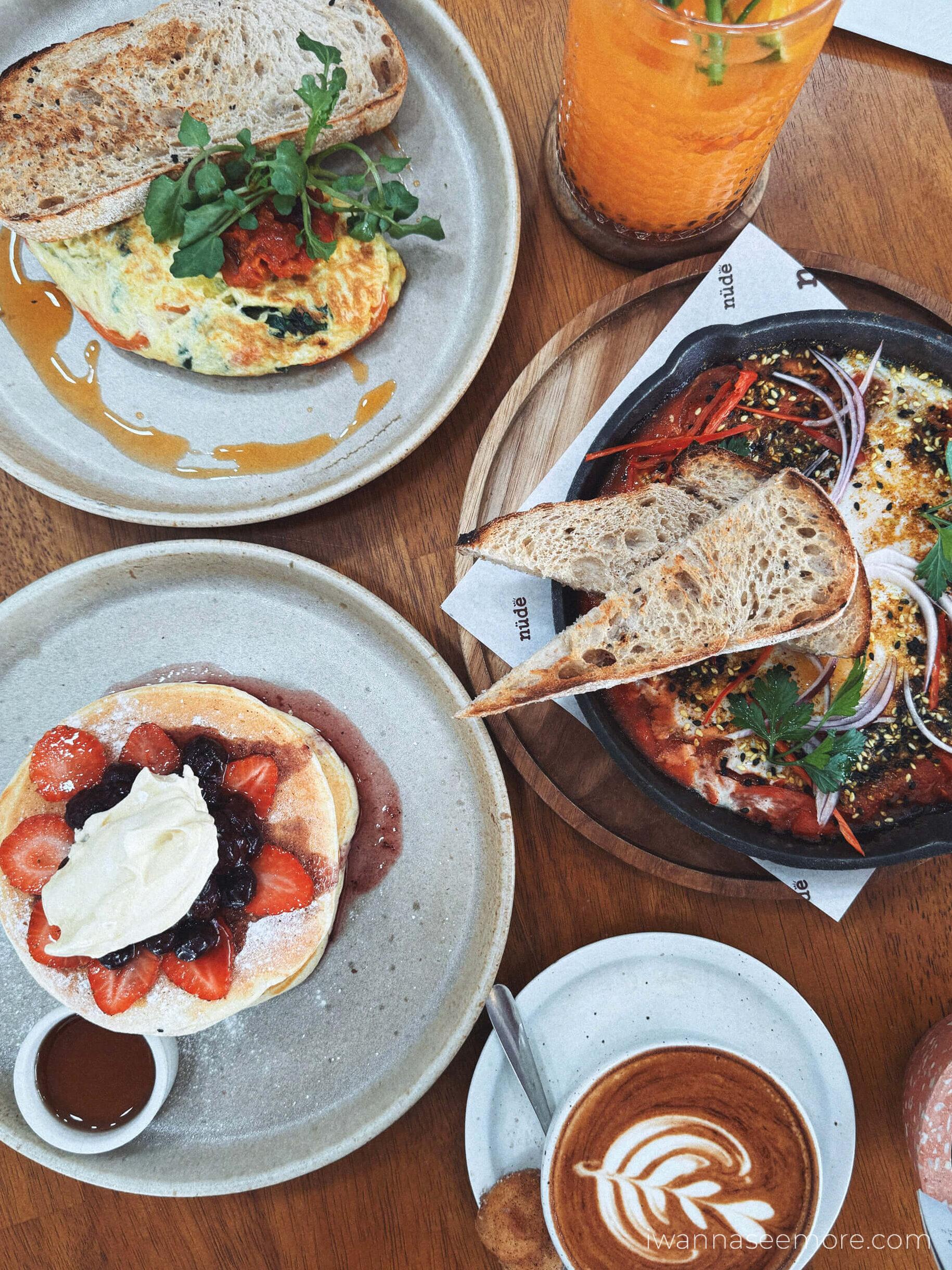
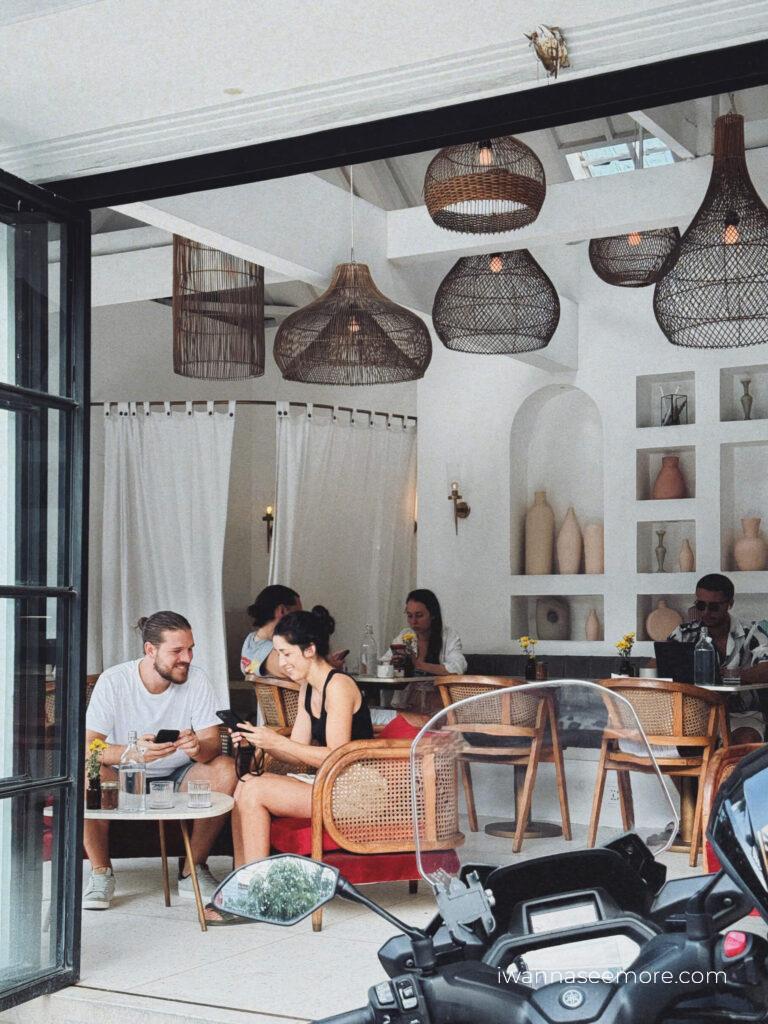
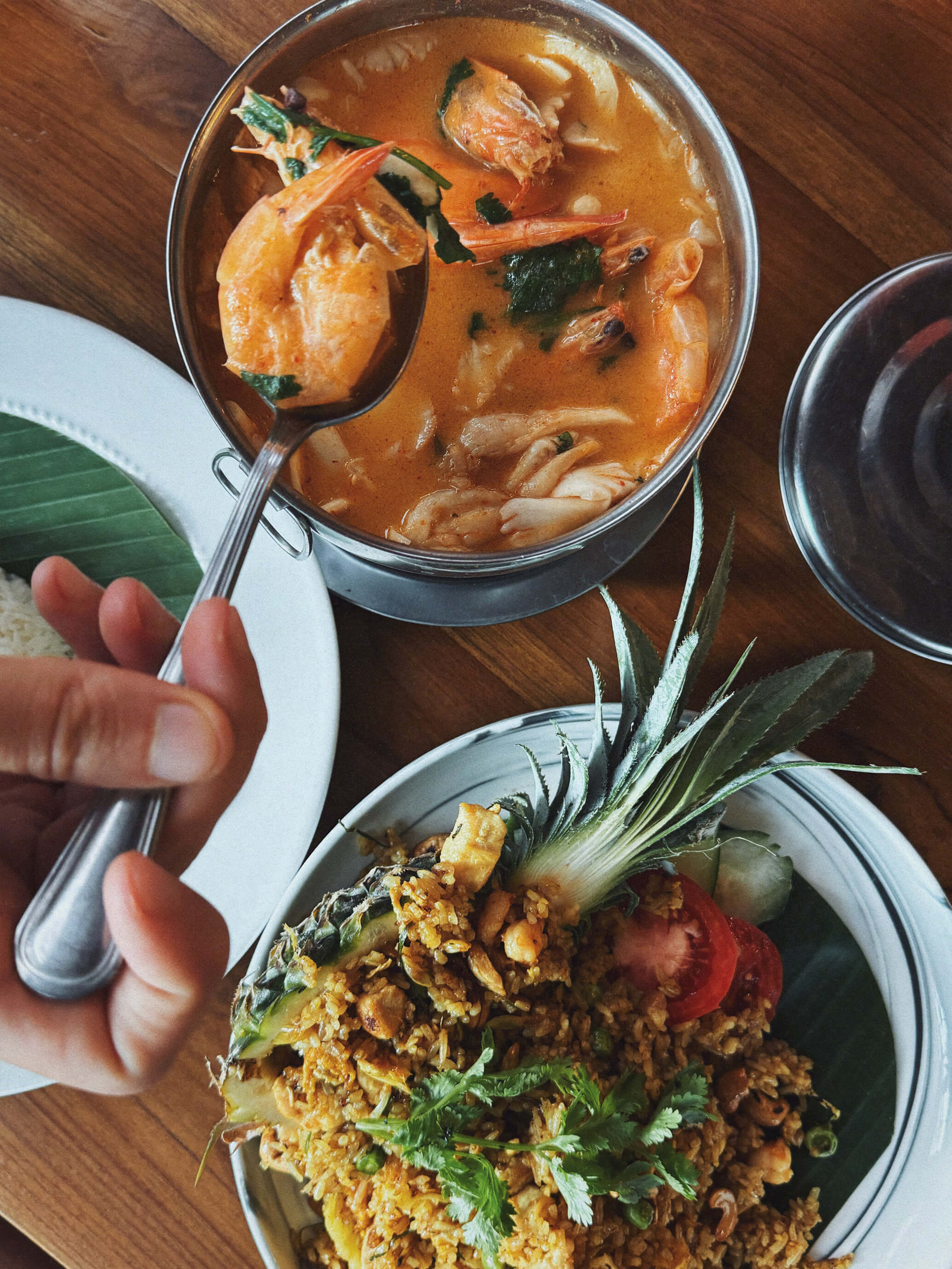
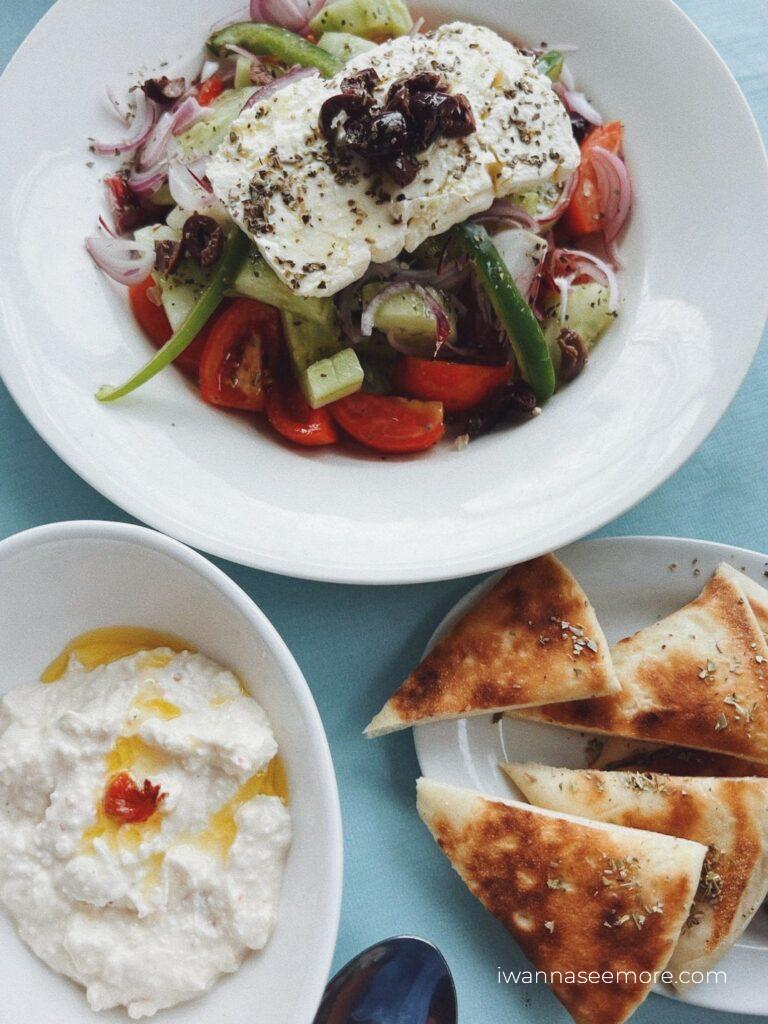
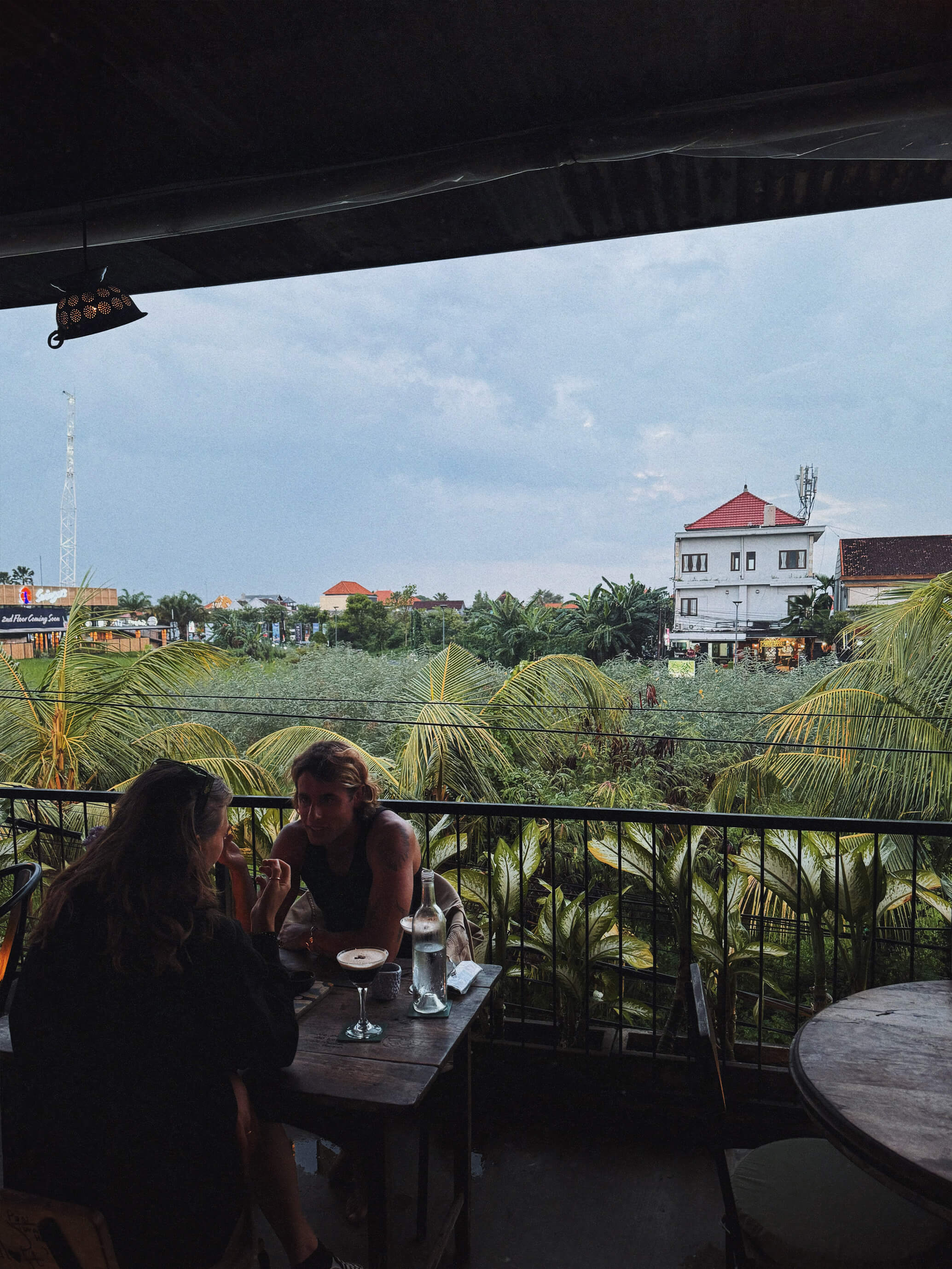
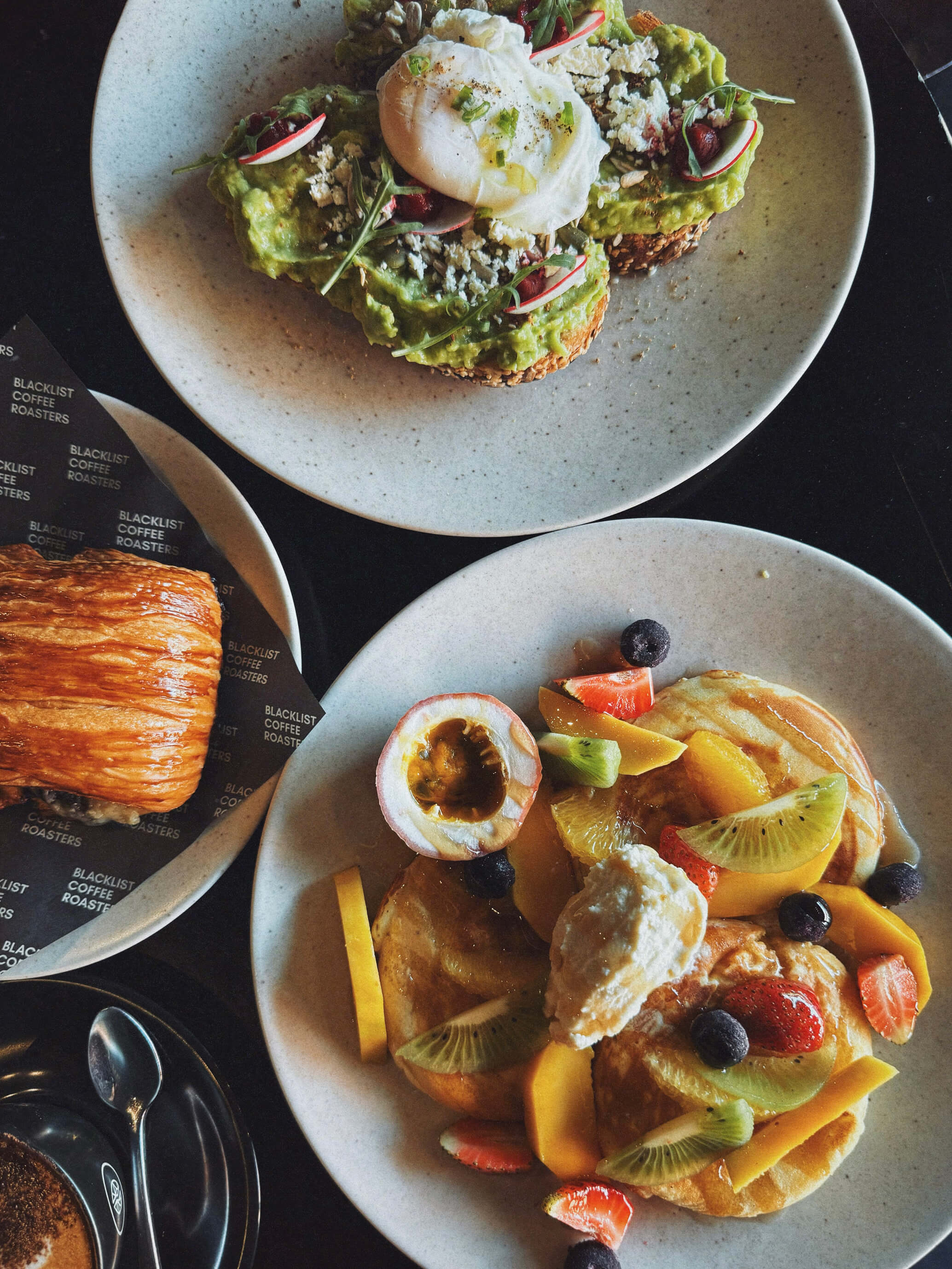
In Bali, you can find an establishment for every taste. There are about 3000 cafes and restaurants for breakfast and dinner on TripAdvisor alone. The island is developing unevenly, with the bulk of restaurants located in the most popular places for living or visiting tourists, which is logical. Most of the establishments are located in Canggu, Kuta, Seminyak, where they are on every corner. Recently, many top restaurants have started to appear in Ubud and Uluwatu.
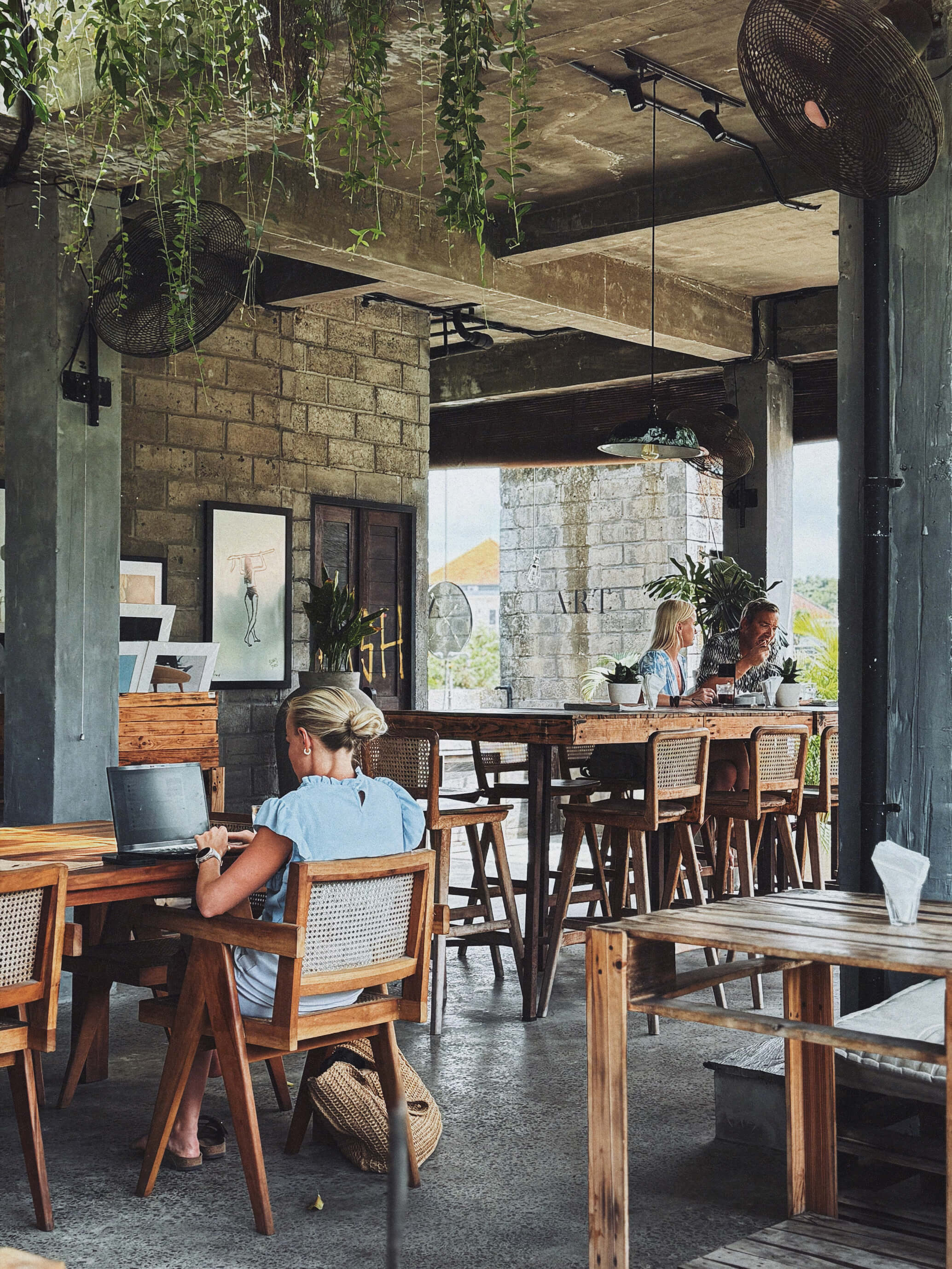
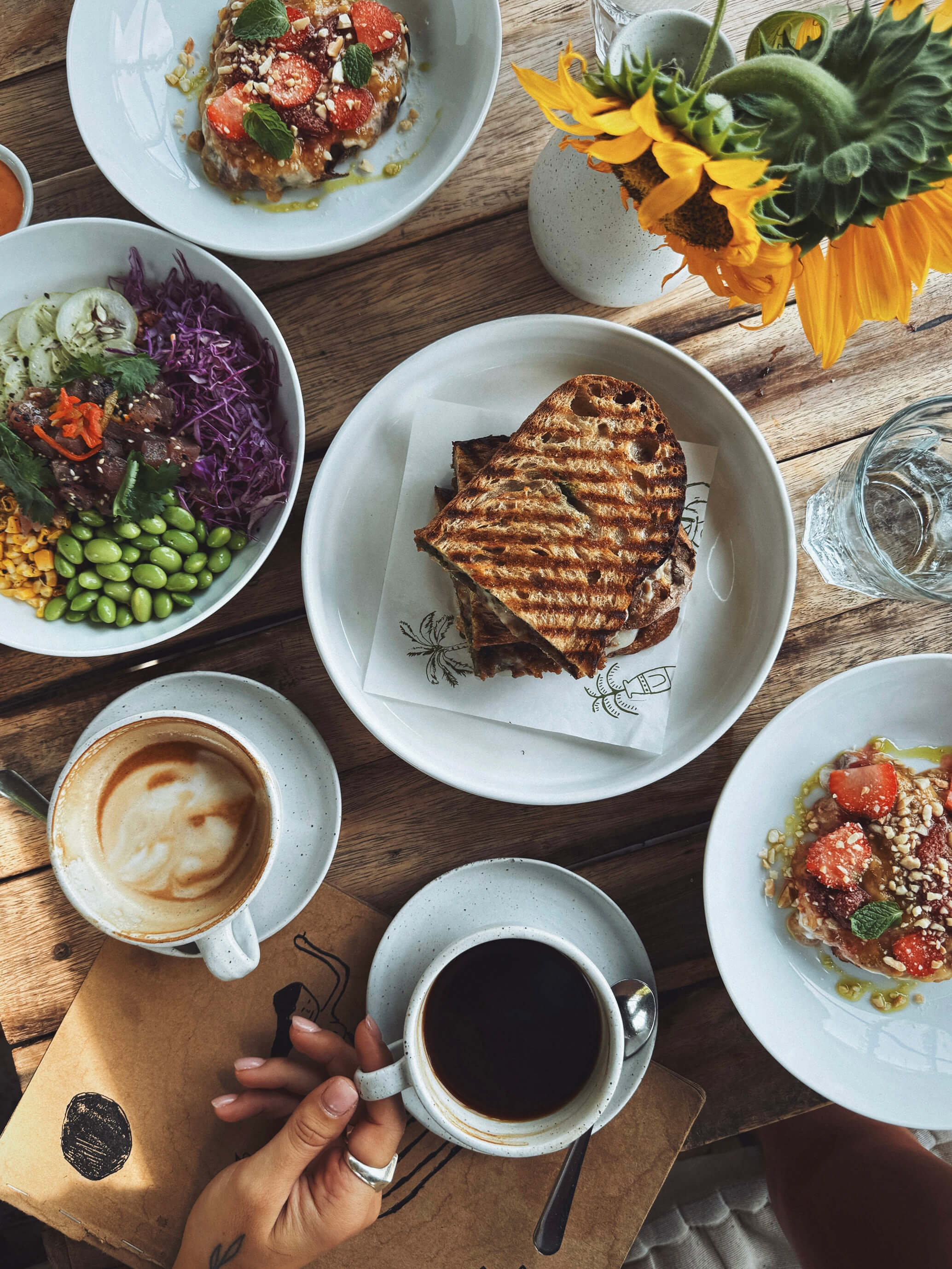
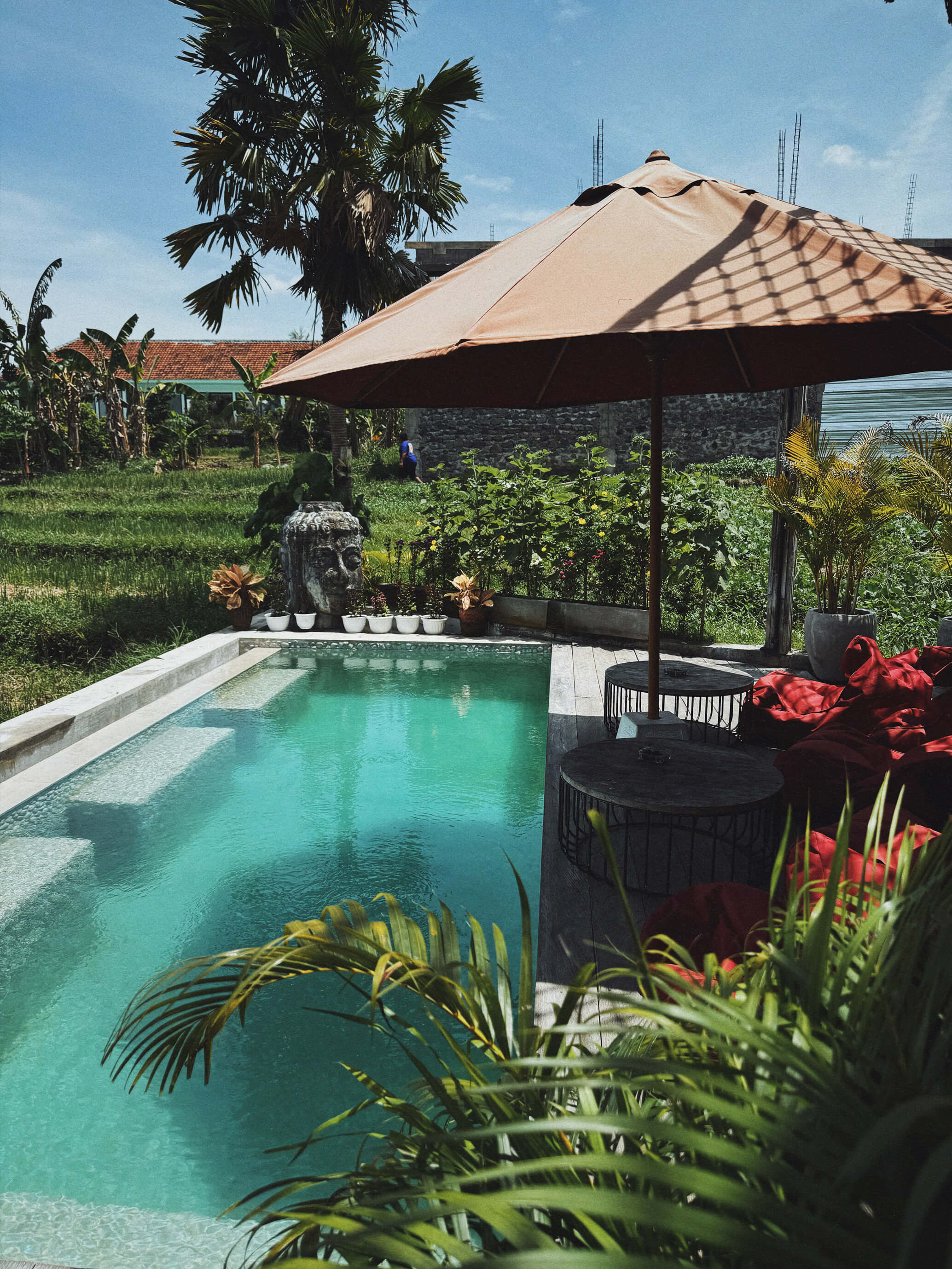
The places here, like the people, are very interesting, international and stylish. For years, tourists have been coming to Bali from all over the world, bringing what they love and what they are used to at home. This unique mix of cultures has created a special and unique center of various cafes, which has become one of the island’s biggest highlights. It is extremely easy to find food from any cuisine in the world: tacos, falafel, oysters, pizza, pasta, tom yum, borscht, cheesecakes, and even khachapuri.
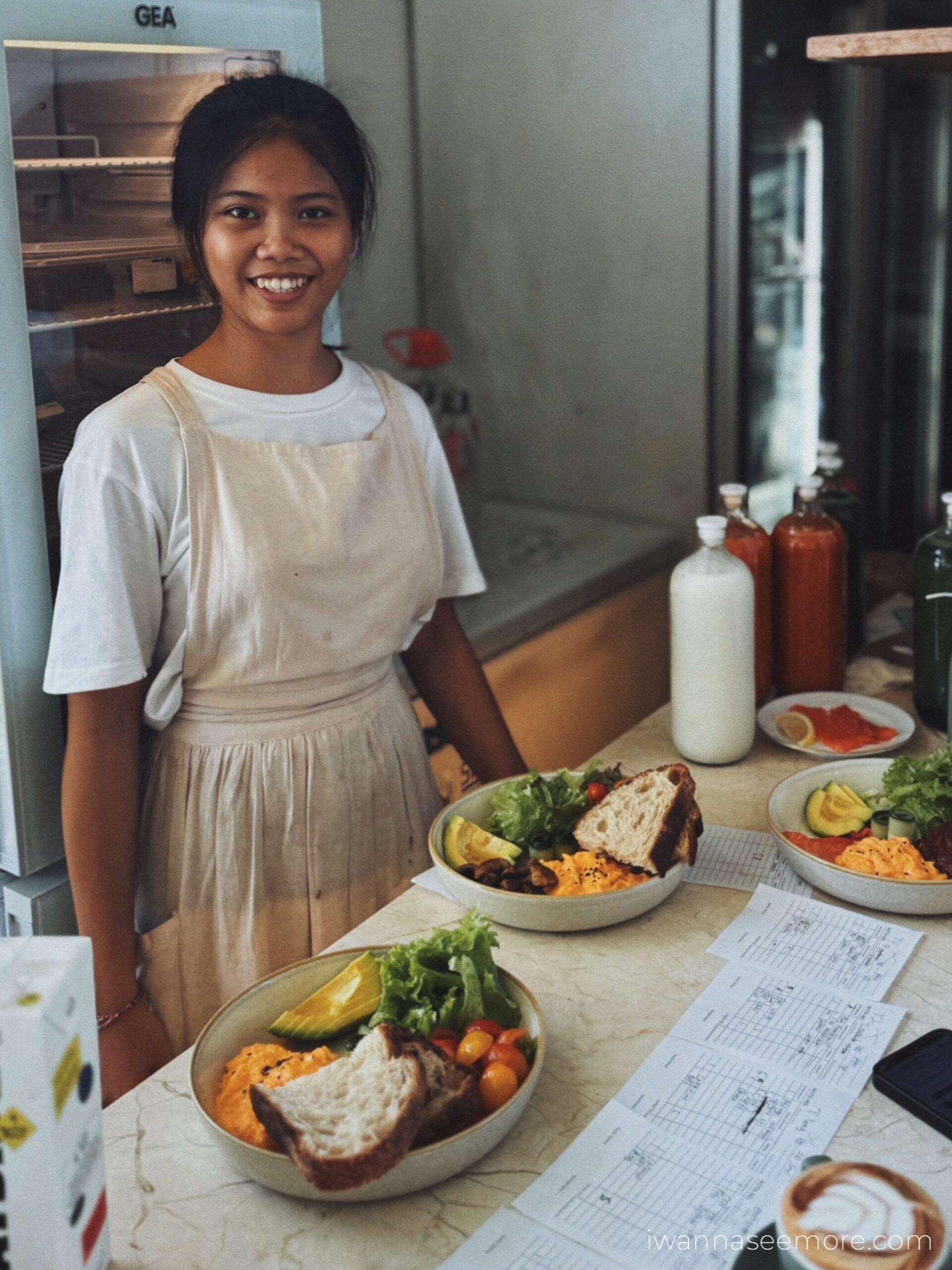
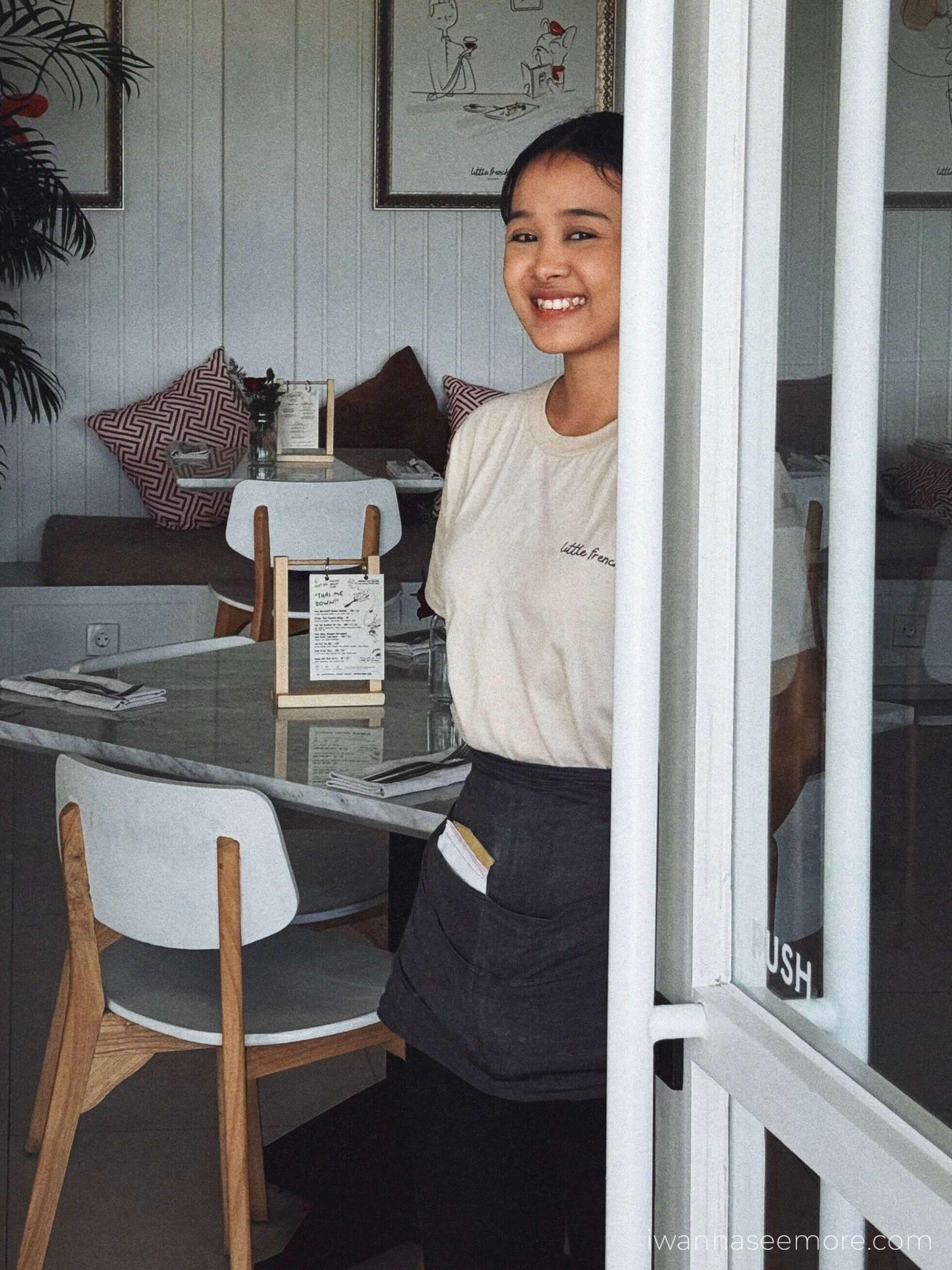
Cool places with great service, delicious food, chic presentation, and stylish interiors, which is not typical for Asia. Bali is not a standard Asia at all, but a unique mix of Asian culture with the cultures of the rest of the world. This is also its peculiarity and one of the reasons why everyone likes it here so much.
Another feature of the establishments is that in most of them, you will see people working on laptops. This is not surprising, as Bali is a very popular country for digital nomads. Of course, cafe owners realized this a long time ago, so they set up many modern, comfortable cafe-coworking spaces with seating areas, air conditioning, and fast internet.
Food trends
The main trend in Bali is healthy eating. The menu of each cafe has Gluten-free, Lactose-free, Vegan, Vegetarian, or Nuts marked. You will be offered a dozen types of milk for coffee, protein shakes, fruit smoothies, and eggs without eggs or a burger without meat, which is also a normal phenomenon. After all, the island has a cult of athletic and functional bodies.
Submission

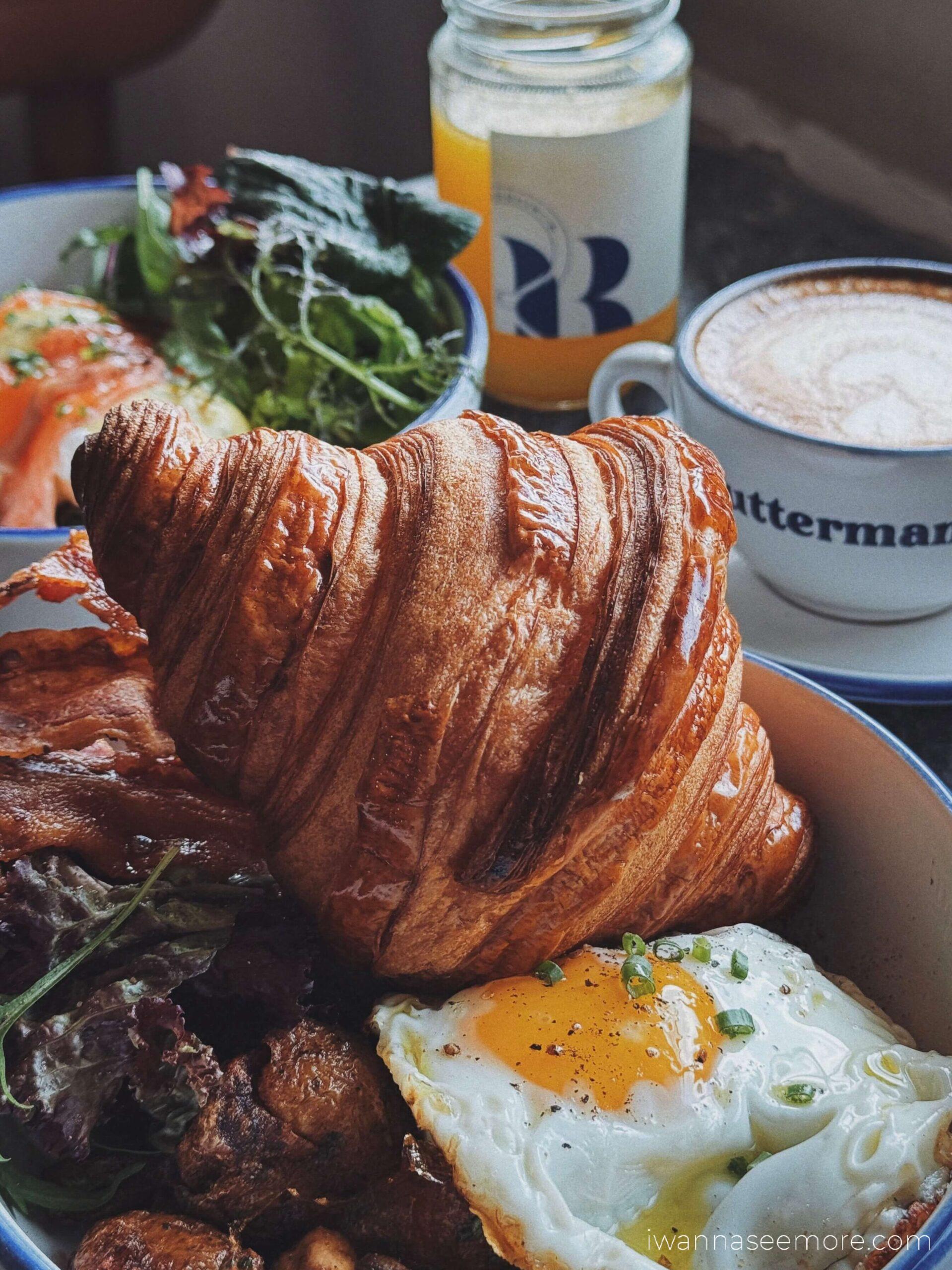
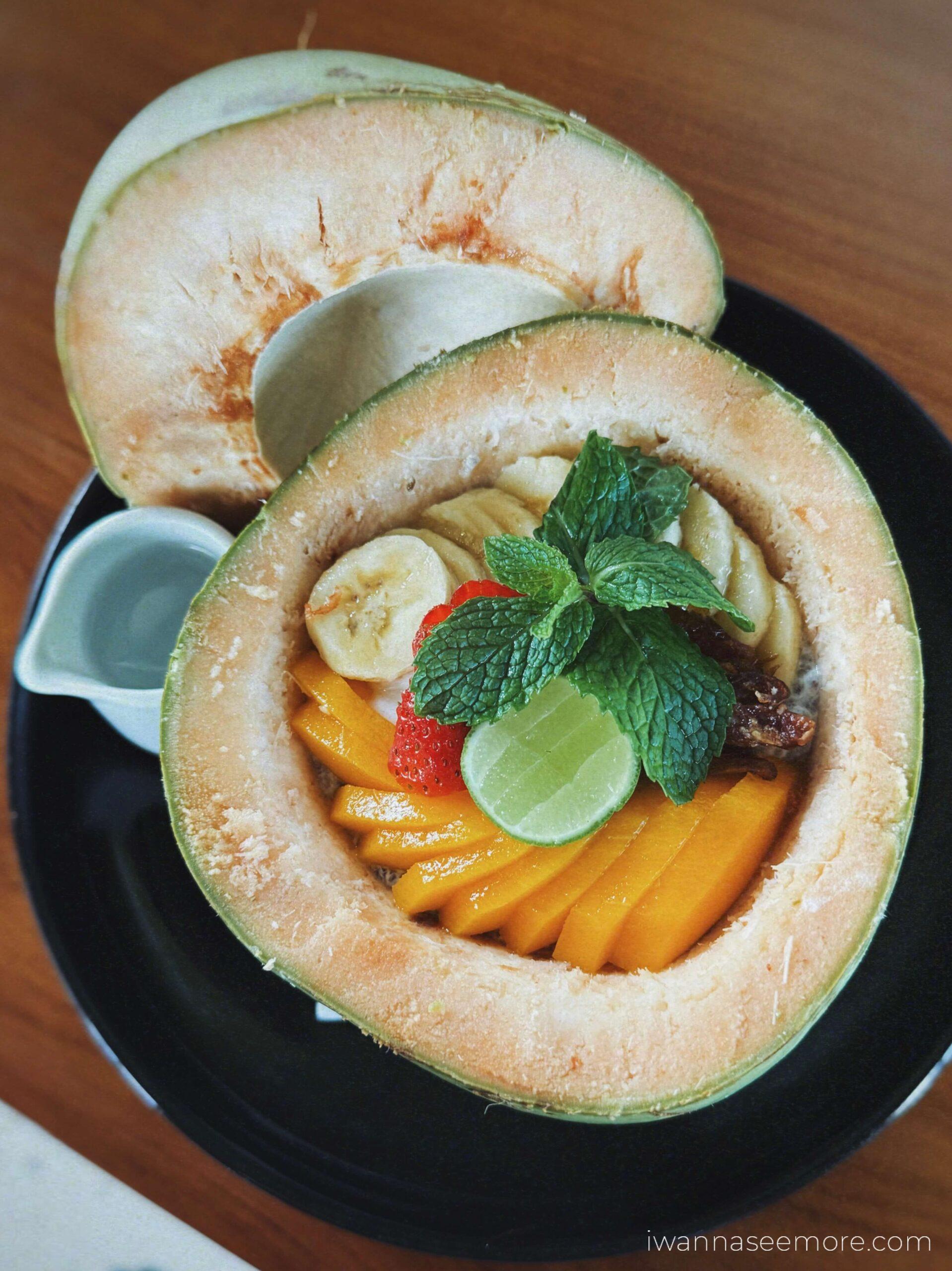
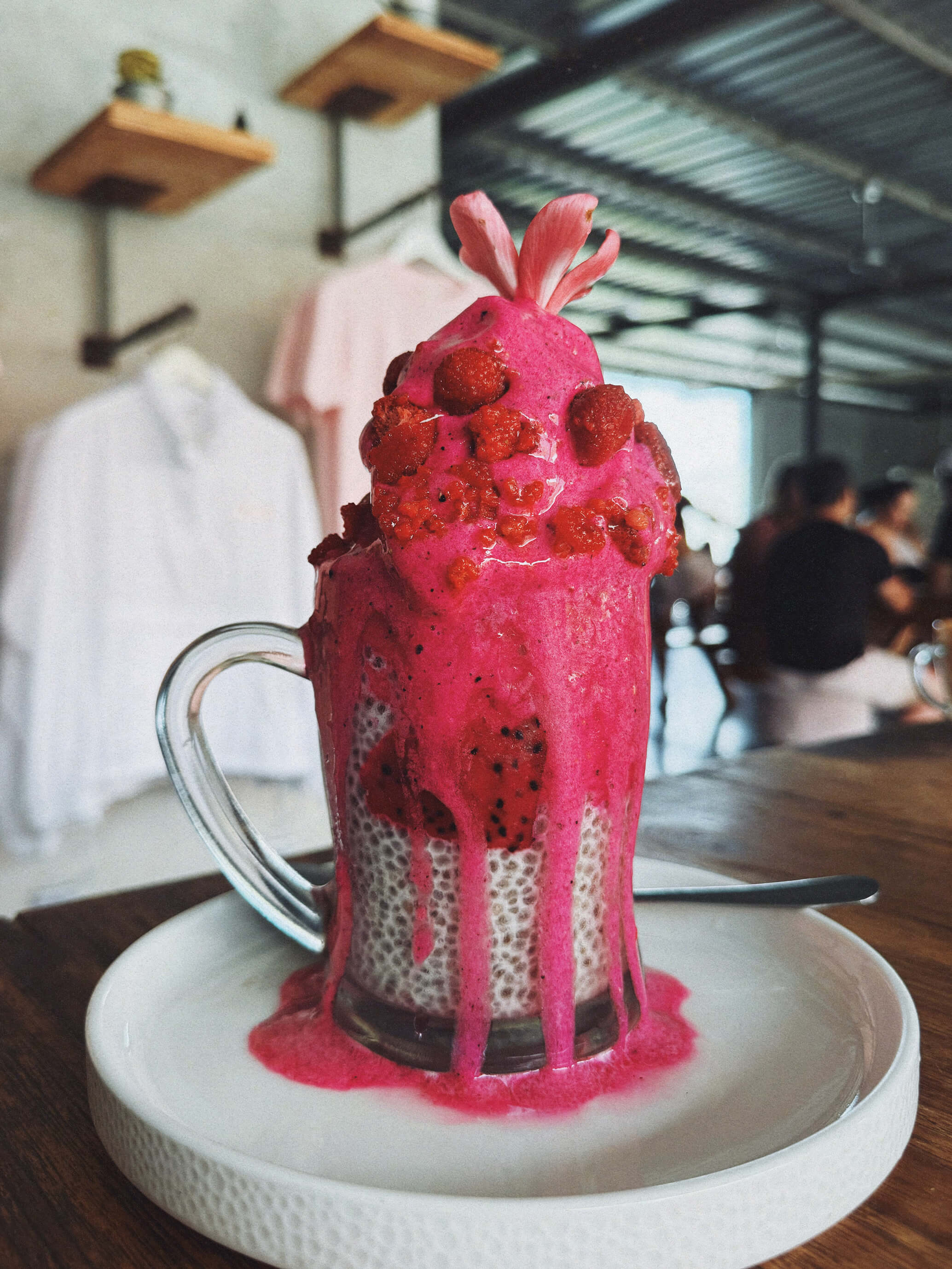
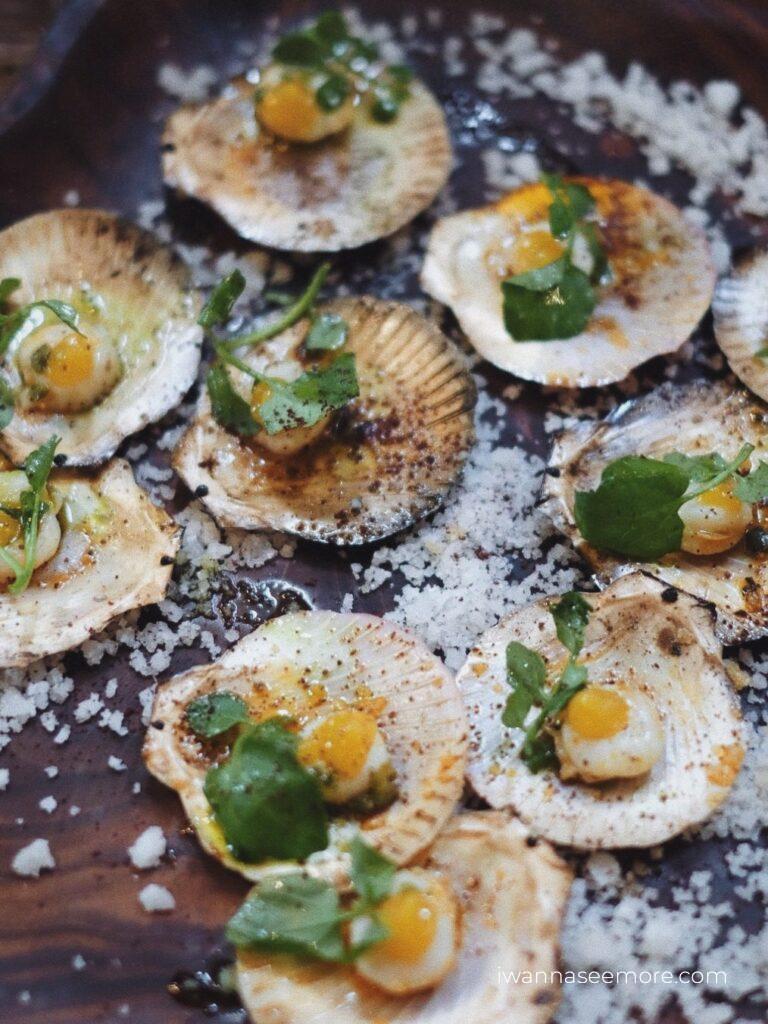
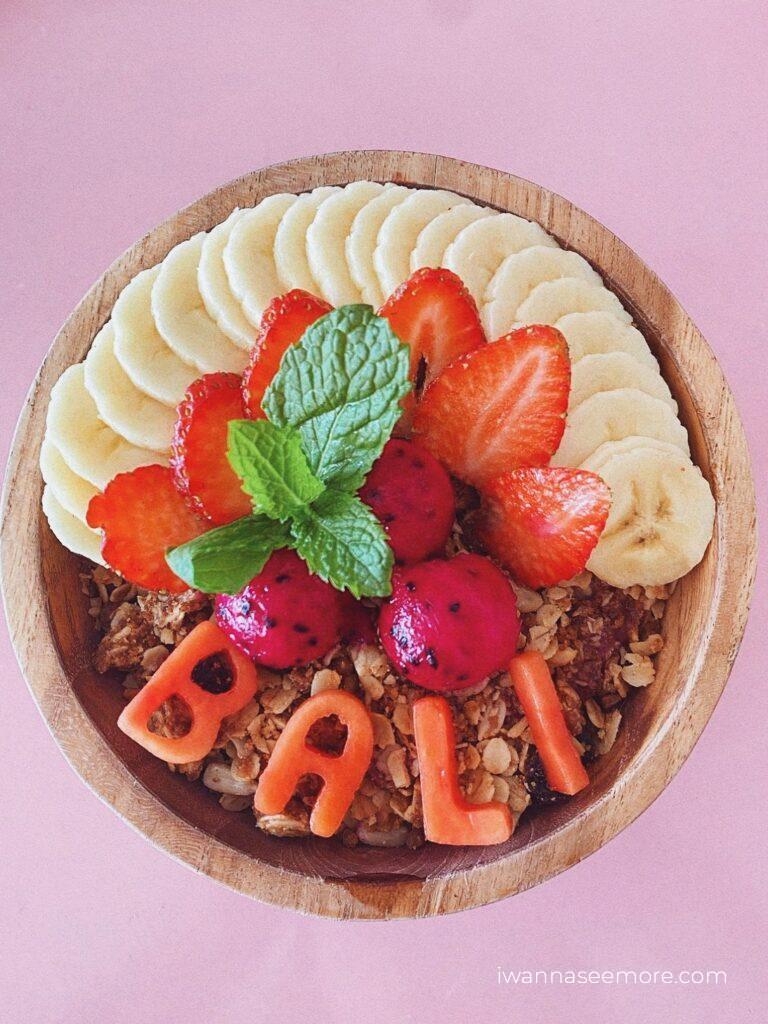
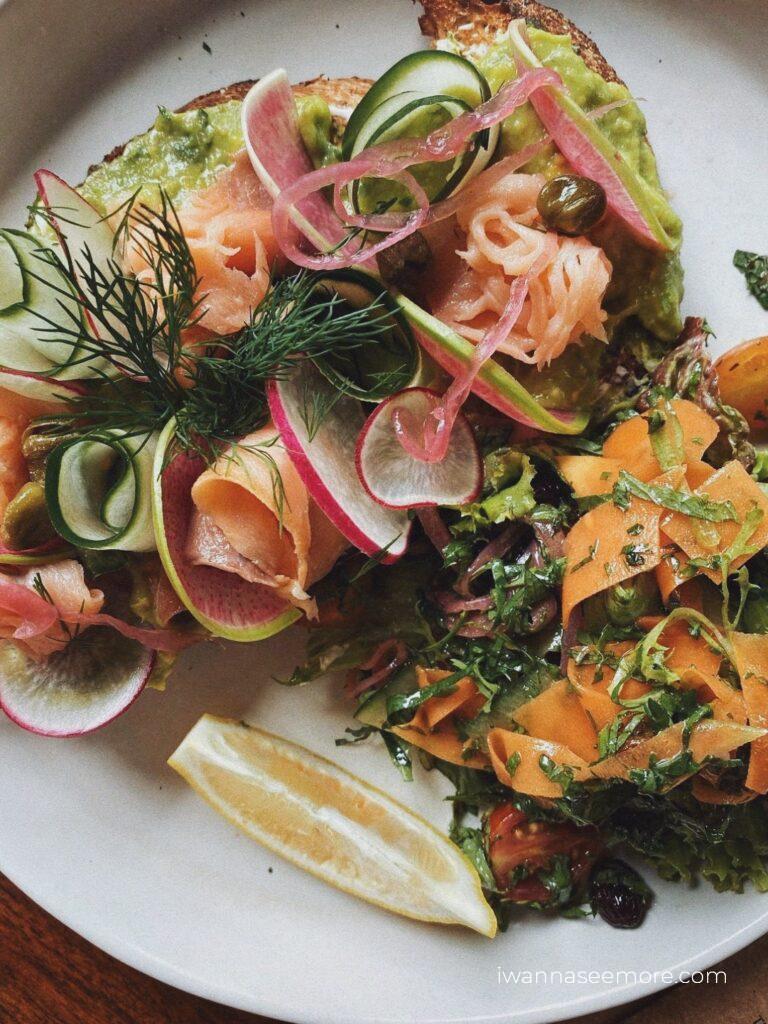
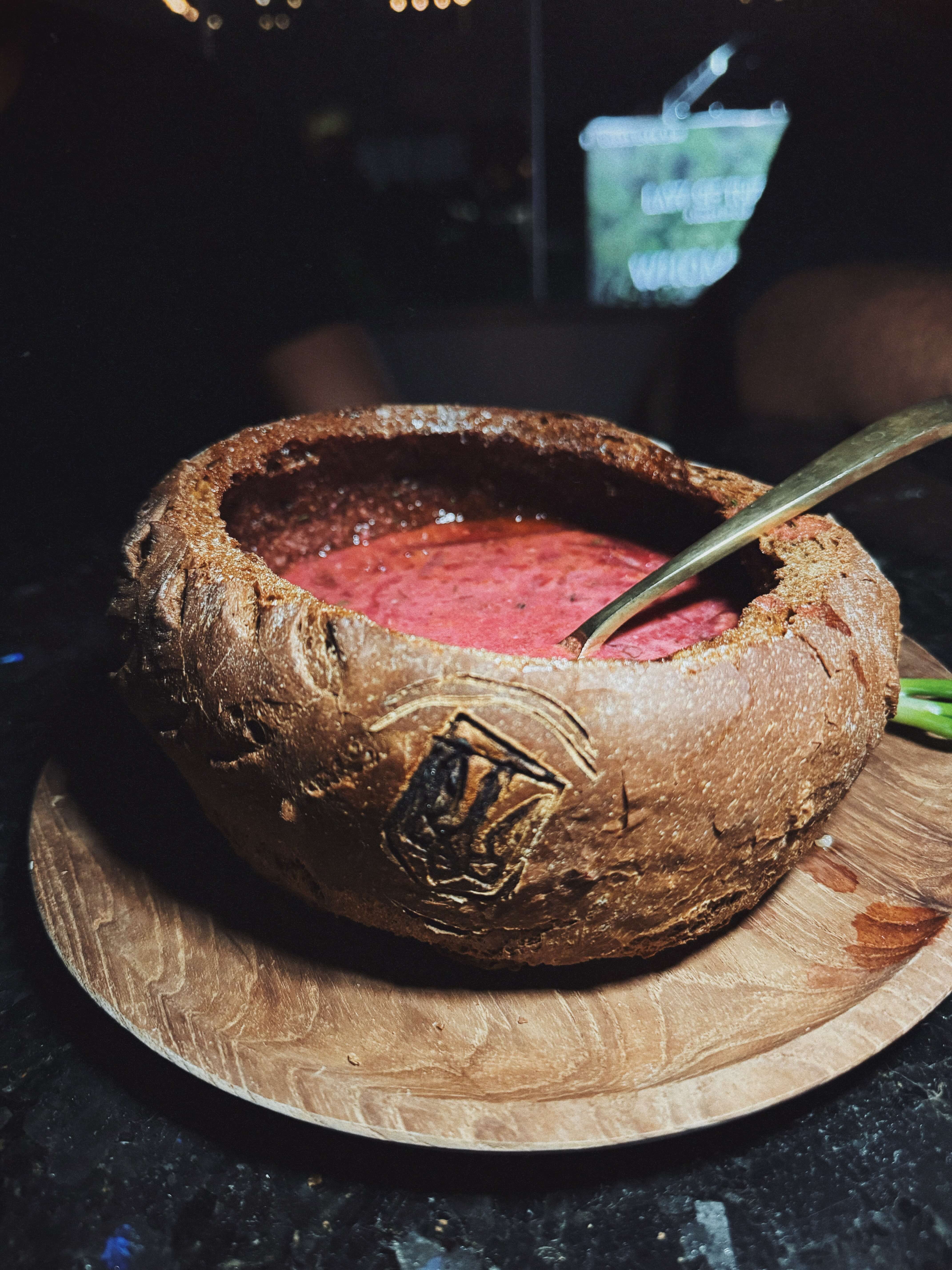
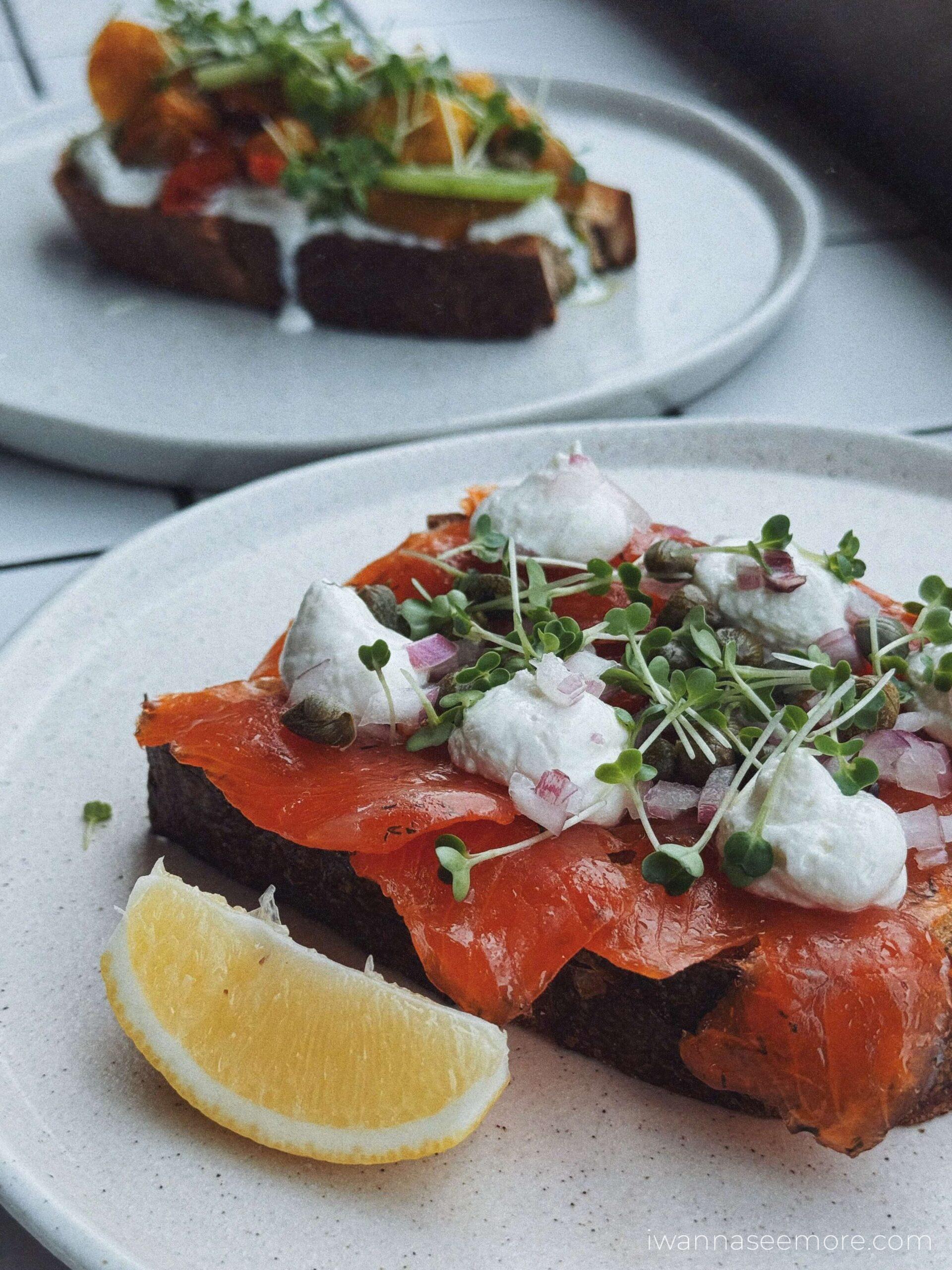
The design of dishes is a separate topic. It is noticeable how each establishment tries to come up with something special to retain and interest customers. So that they can show it off online.
Restaurants are increasingly inventing their recognizable dishes: smoothie bowls with the letters BALI made of fruit, juicy food-porn pancakes, cocktails that spill over the edges, and borscht in bread with a trident burned on it.
Interior
The interior of a cafe is a separate story and another way to lure tourists. That’s why they take great care with it. Art galleries, greenhouses, pink walls, swings, neon signs, swimming pools – these are all great magnets for aesthetic lovers.
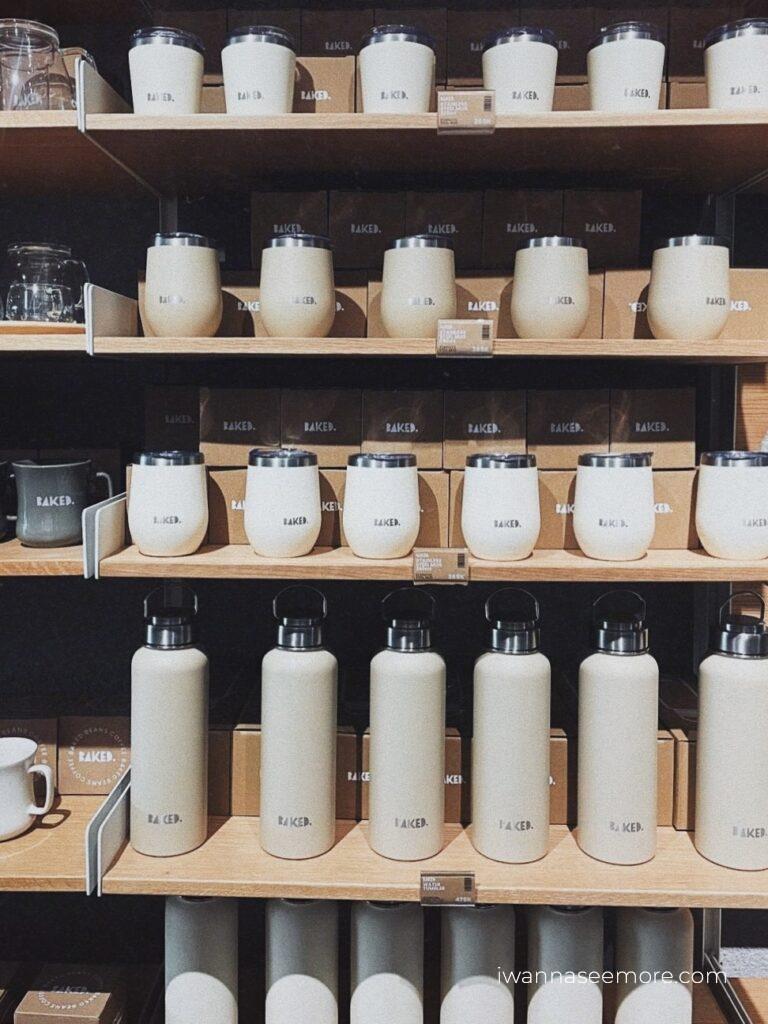
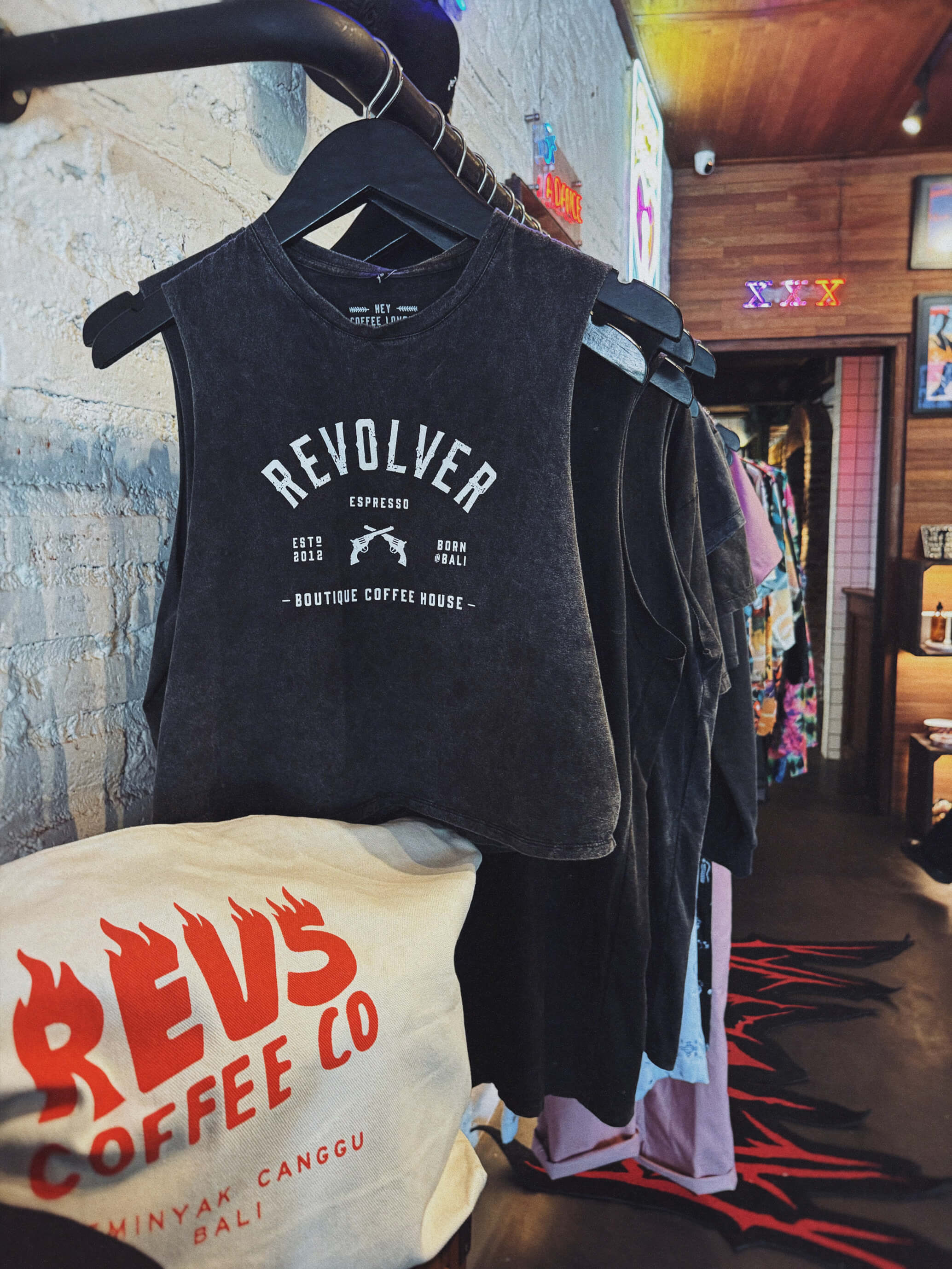
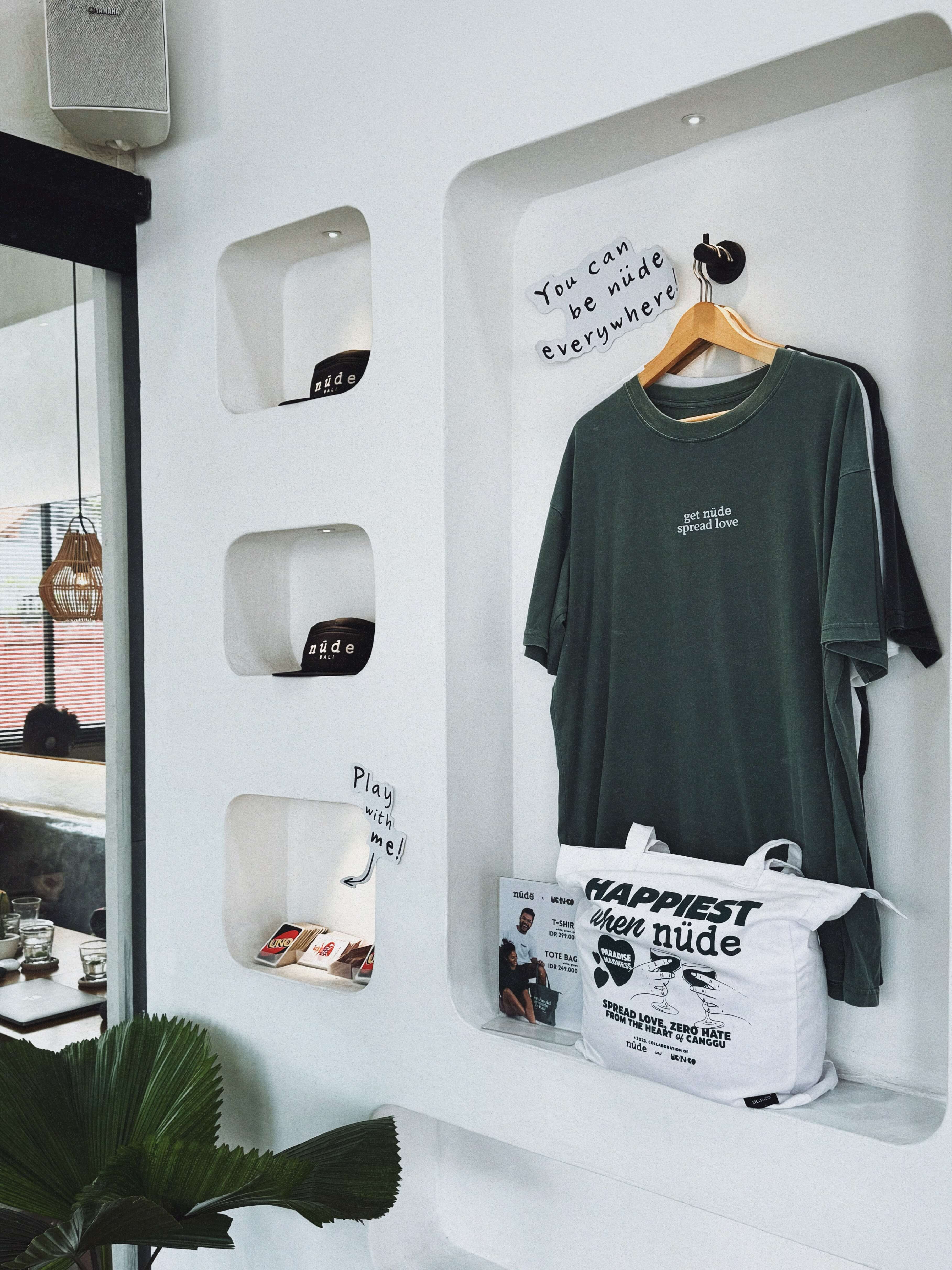
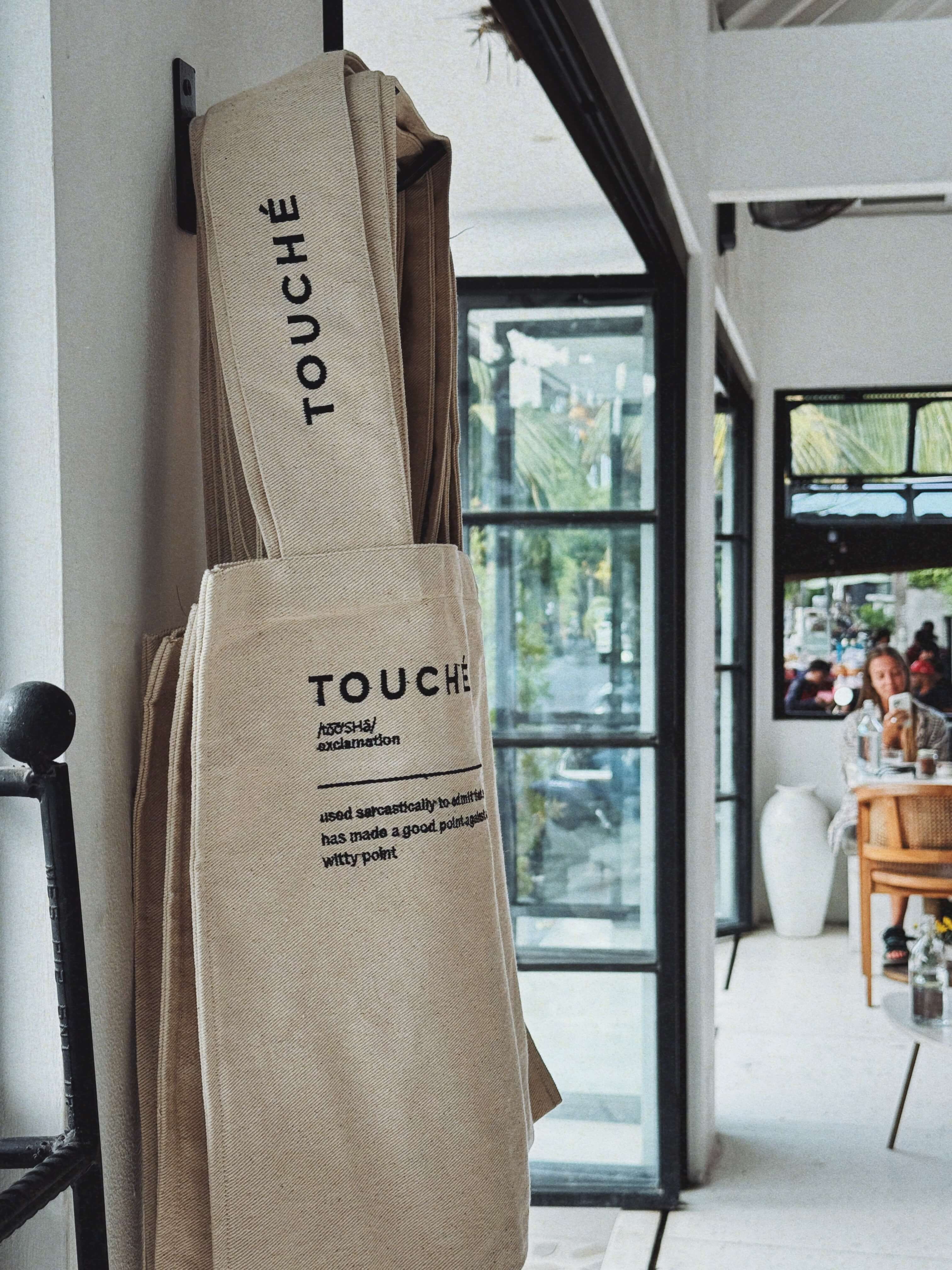
Another interesting thing is that almost every popular establishment has its corner or a whole store selling its merchandise. They often sell their coffee products, coffee items, T-shirts, stickers, mugs, caps, and much more.


Traditional Balinese dishes
The traditional Balinese dish is characterized by not eating beef, as the majority of the population professes Hinduism. At the same time, there is an active use of pork. A variety of spices are widely used, mixed with fresh vegetables, meat (primarily pork), seafood, and fish, and there are dishes of chicken and fruit. Chicken is the most popular because of its lowest cost. A special place in Balinese cuisine is occupied by spices, without which it is impossible to imagine any dish.
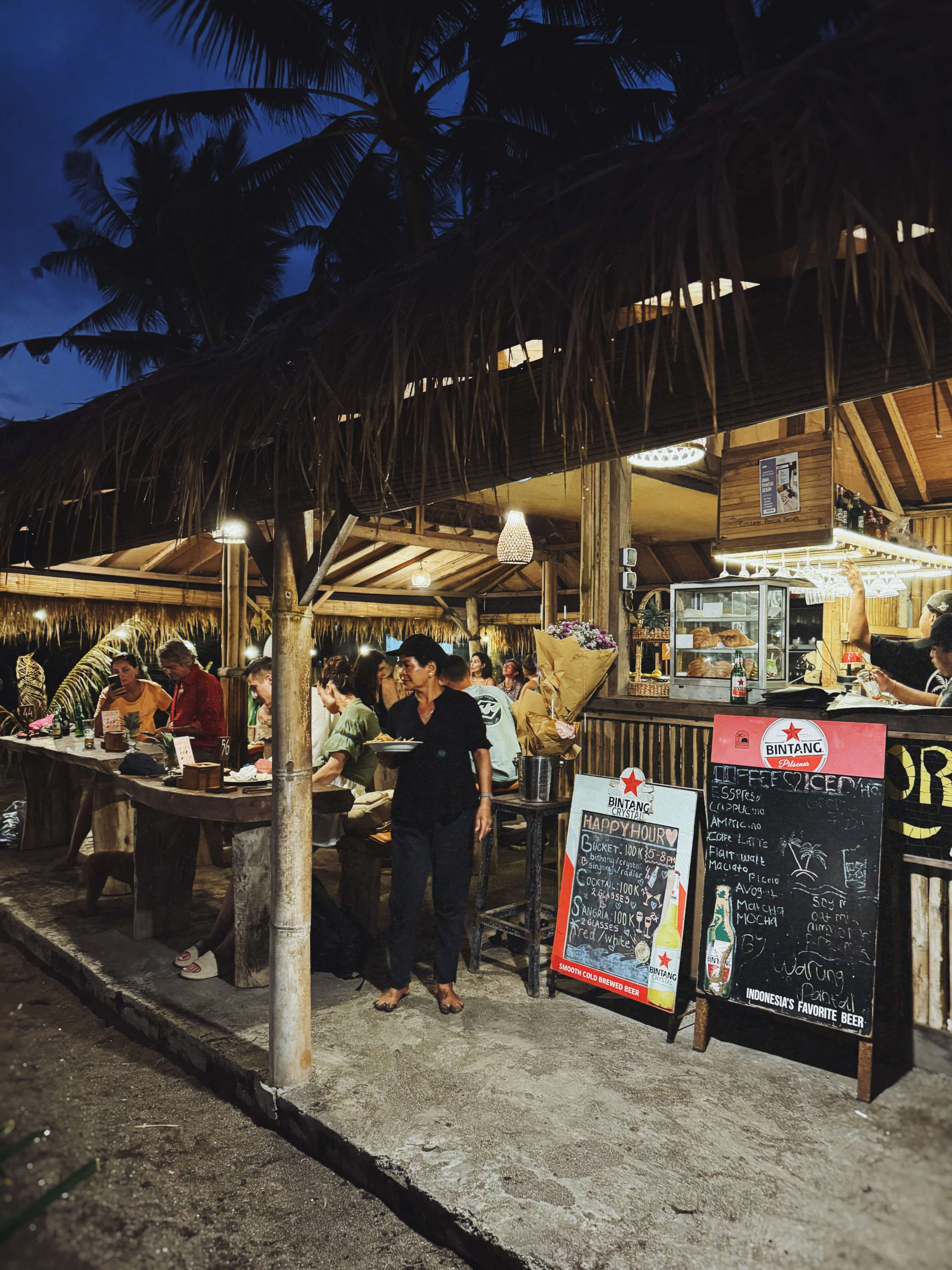
If you want to try something in the Balinese style, you should look for a place with the inscription Warung. Warung is a small Indonesian cafe where locals usually dine, although some are also popular with tourists. The food is simple, the prices are lower than in regular restaurants. For a tourist who comes to Bali, eating at a warung will be a small adventure, an opportunity to try something new and feel the local flavor.
Main dishes
If you want to get to know the Indonesian culture through food, be sure to try the local national dishes, which are very easy to find in any warung in Bali. These are ordinary dishes and you shouldn’t expect a flavor boom, but it’s worth a try:
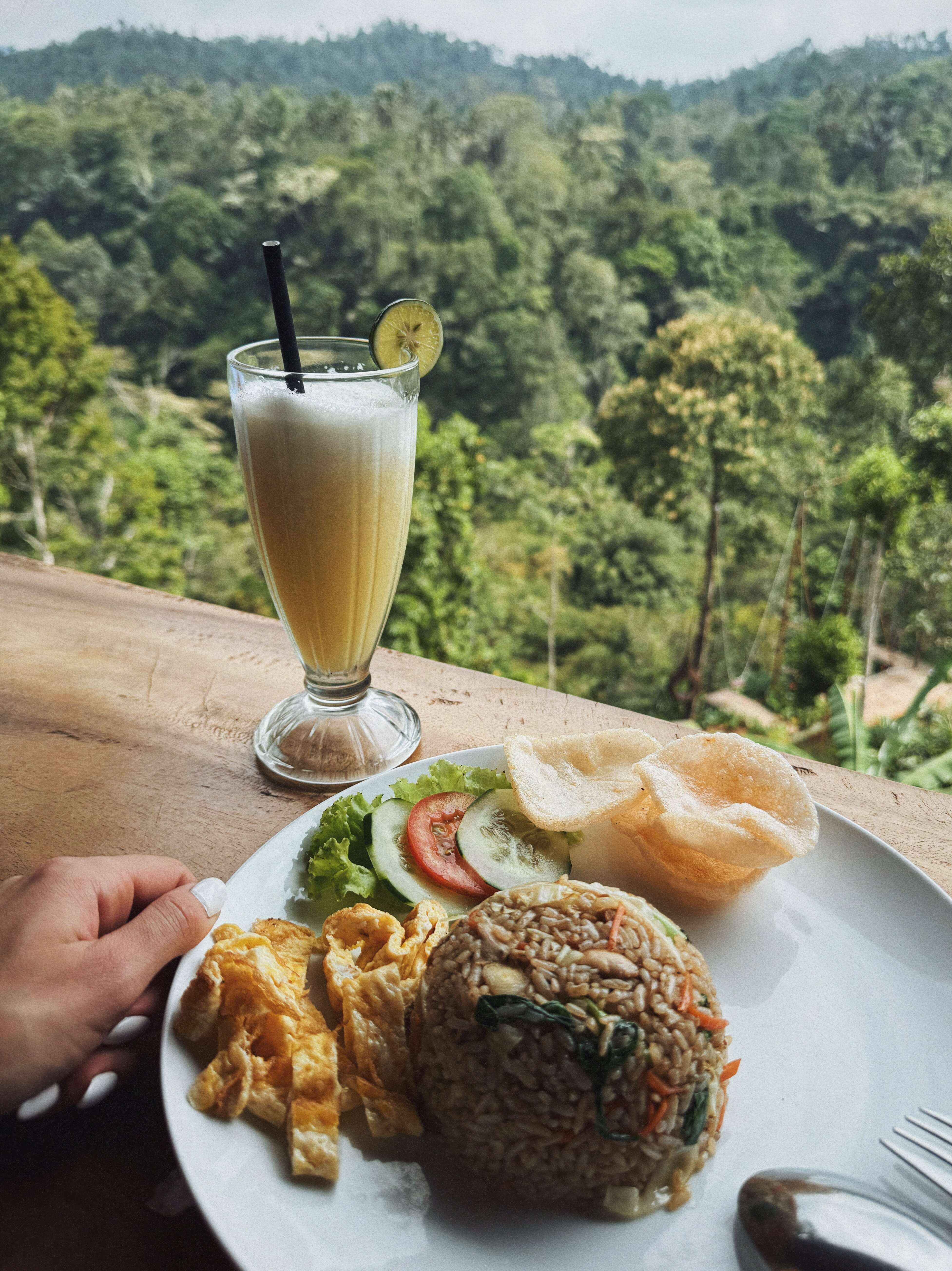
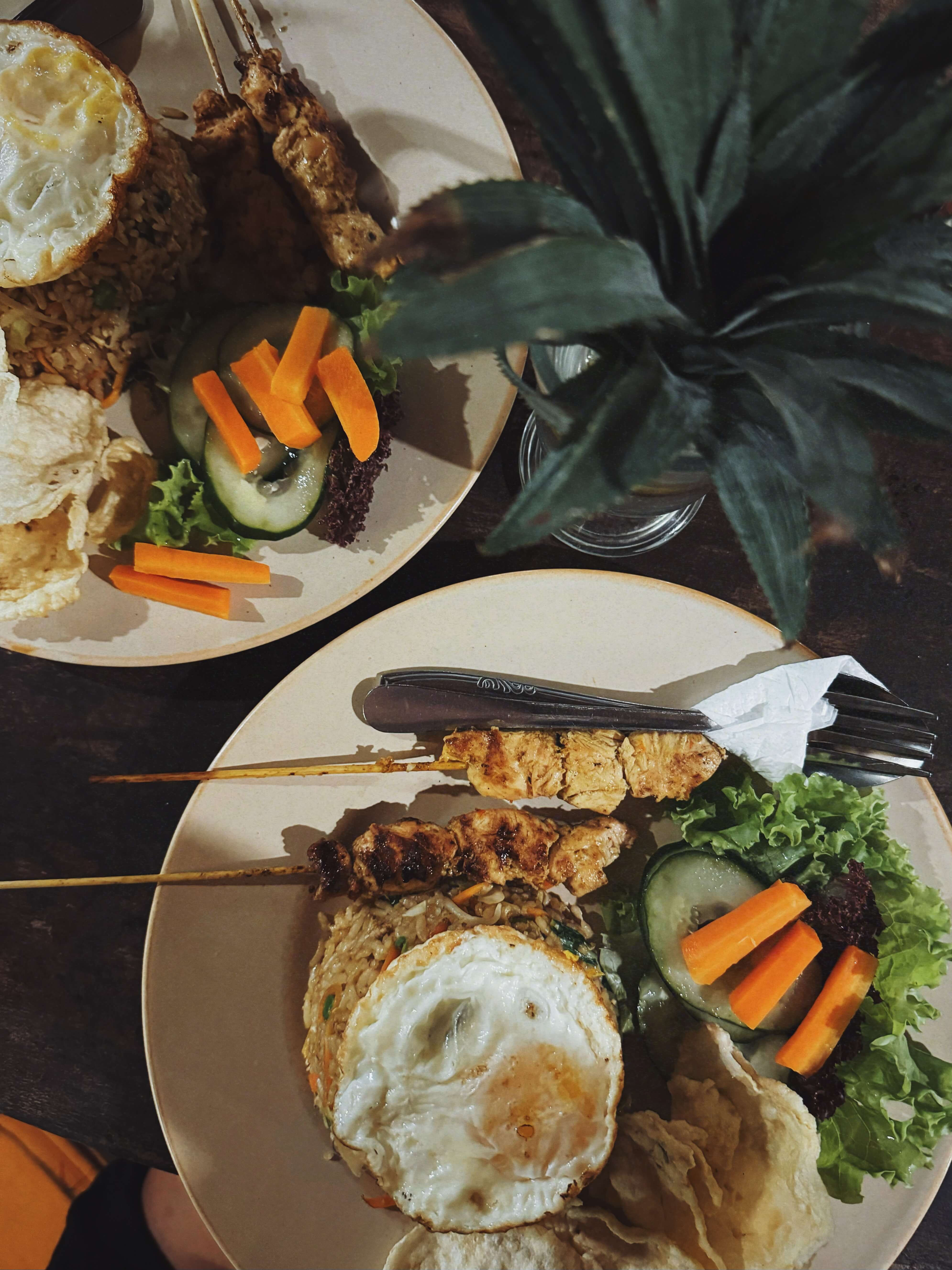
- Nasi goreng (Indonesian: nasi goreng, literally “fried rice”) is a dish of Indonesian, Malaysian, and some other national cuisines of Southeast Asia. It has gained some popularity outside the region, including in Western countries, where it is often perceived as a “culinary symbol” of Indonesia. A portion of nasi goreng is usually accompanied by a traditional complex side dish, which includes scrambled eggs, several skewers of miniature satay kebabs, krupuk, a small amount of fresh or soaked vegetables, and sometimes some other snacks.
- Babi Guling (often called “be guling”) is a whole roasted pig. It is stuffed with spices and vegetables, then grilled, using dried coconut shells as fuel. Babi guling was originally prepared for ritual offerings on important religious holidays. Now it is served in many restaurants on the island. Sometimes, instead of a piglet, a duck or chicken is cooked using a similar method.
Seafood
A curiosity: It would seem that living on an island surrounded by the ocean, the national dishes of the Balinese should consist mainly of seafood, but there is one interesting thing. The Balinese are very religious people and according to their beliefs, good spirits live in the mountains, and evil spirits live in the ocean. And it is not good to eat food from a place where evil spirits live. This is a simple Balinese explanation. We find it quite amusing.
Of course, you can taste seafood in many places. But we want to share with you one special place that is worth visiting just for the sake of oceanic dishes.
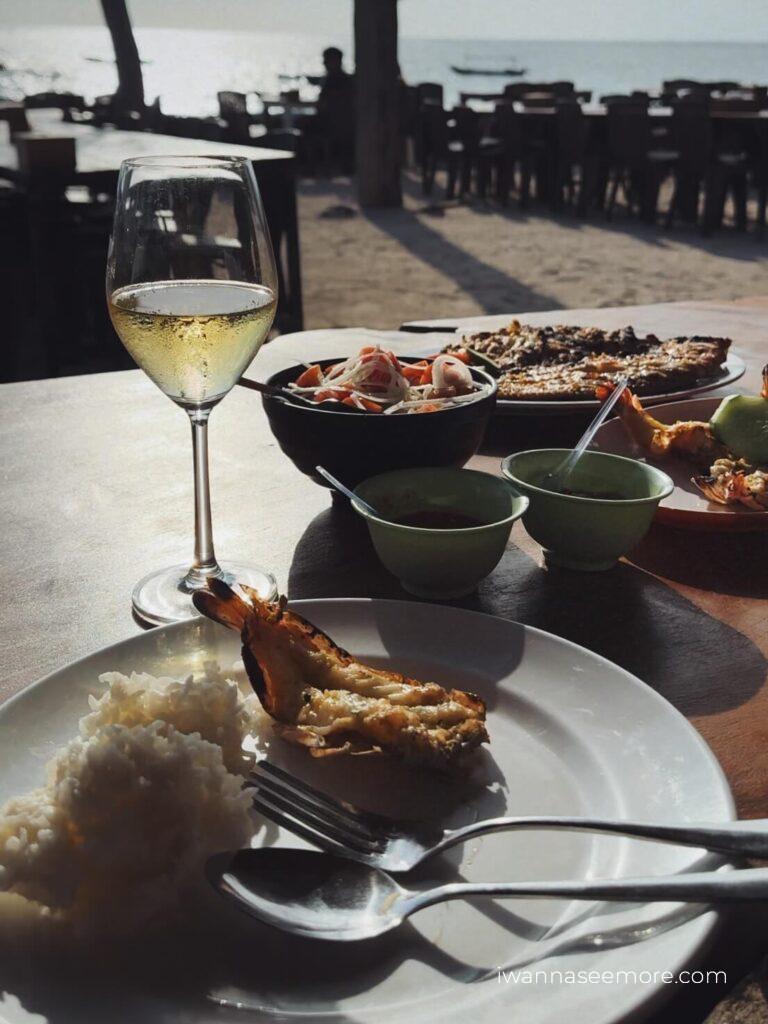
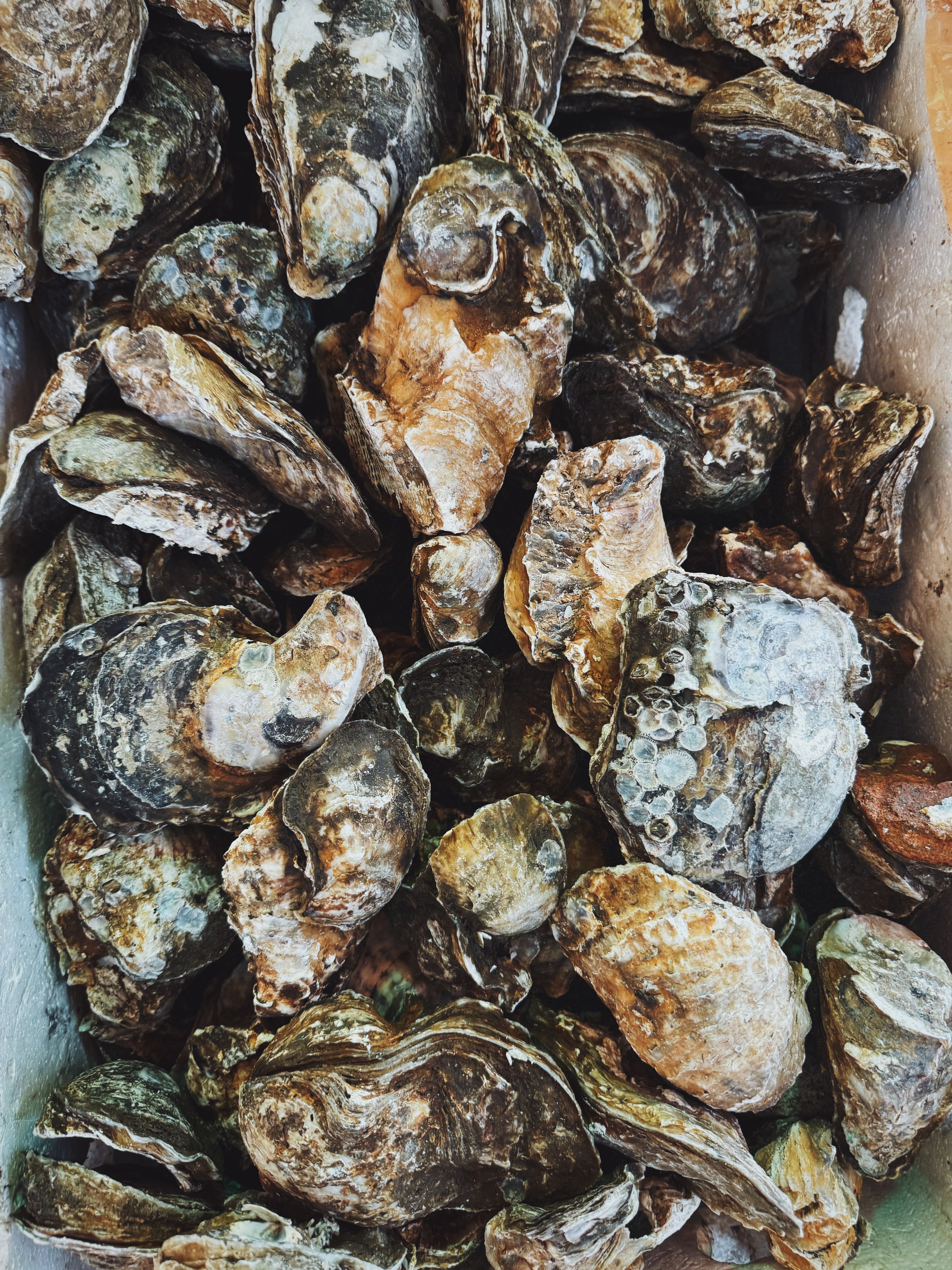
Jimbaran Beach is a place known for its fish market and oceanfront restaurants. If you are bored with hipster cafes and your soul craves adventure, then you should check out the local market located in Kuta. Here you can choose a variety of seafood that you like and immediately cook your “prey” nearby. The process is very simple: choose shrimp, fish, lobsters, and shells, in the best traditions of Bali, bargain with the seller, and give them to the grillers standing nearby, who will grill your catch for a nominal fee. The cost of cooking does not depend on the type of fish and is determined only by weight. This is a very colorful place where you can meet many locals, take a glass of white Balinese wine that will go well with your seafood, and watch the airplanes disappear somewhere over the ocean.
Half a kilogram of large shrimp and two small fish will cost you about $5, and cooking and coconut – $3. Total: $8 for two for an excellent dinner.
The best restaurants in Bali
We’ve already established that Bali has a cult of restaurants. Almost every establishment surprised me with its stylish interior, beautiful serving, delicious food, interesting dishes, and, of course, good coffee. There is a large number of decent coffee shops, bakeries, cafes, and sophisticated restaurants with gourmet cuisine. We visited these places every day and every time we found something new, interesting, and surprising. For breakfast, we chose hipster cafes with popular all-day breakfasts, such as pancakes, eggs Benedict, shakshuka, bowls, etc. For dinner, they preferred something more sophisticated, restaurants with a pleasant atmosphere and different cuisines of the world: Italian, French, Indian, Japanese, Mexican, and the list goes on.
Top 3 restaurants for a romantic dinner
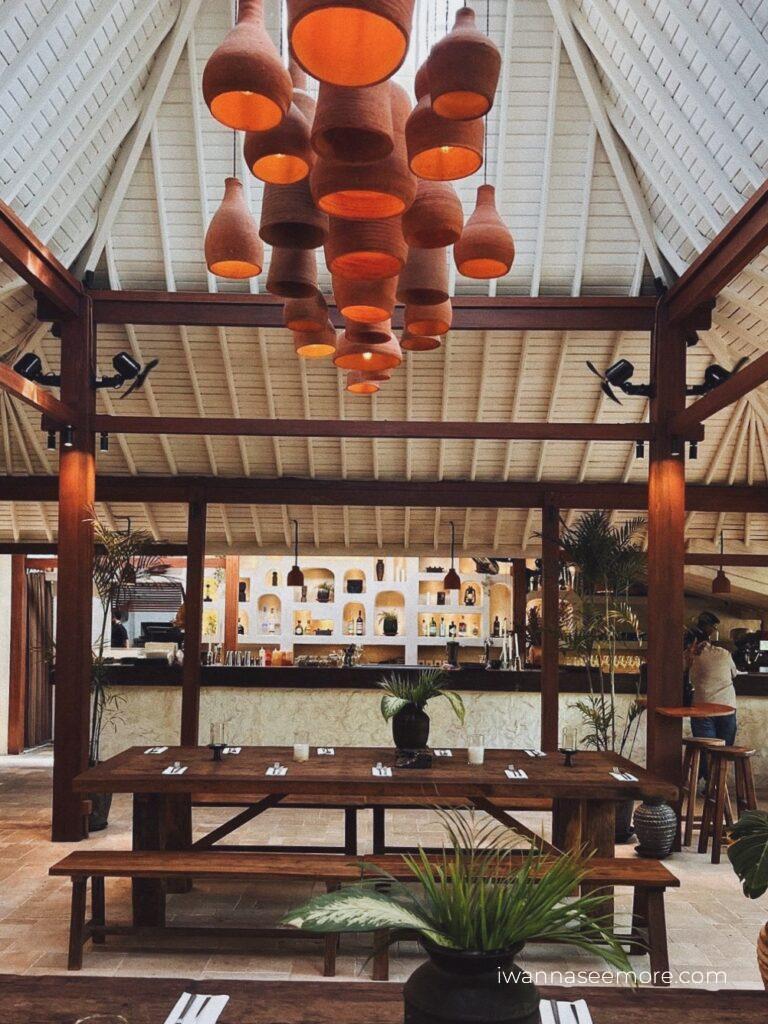
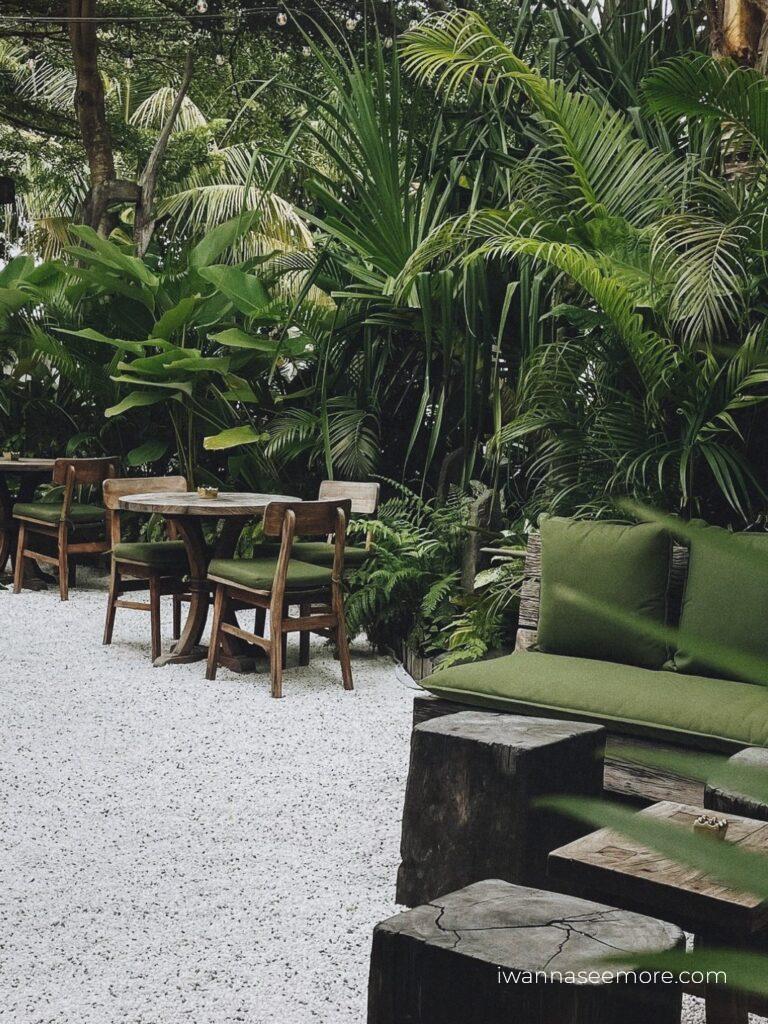
1) Shelter is a modern restaurant serving Middle Eastern and Mediterranean cuisine. It is very beautiful and exclusive. The country-style decor, accented with greenery and soft lighting, creates a cozy and intimate atmosphere. Very friendly staff, good service.
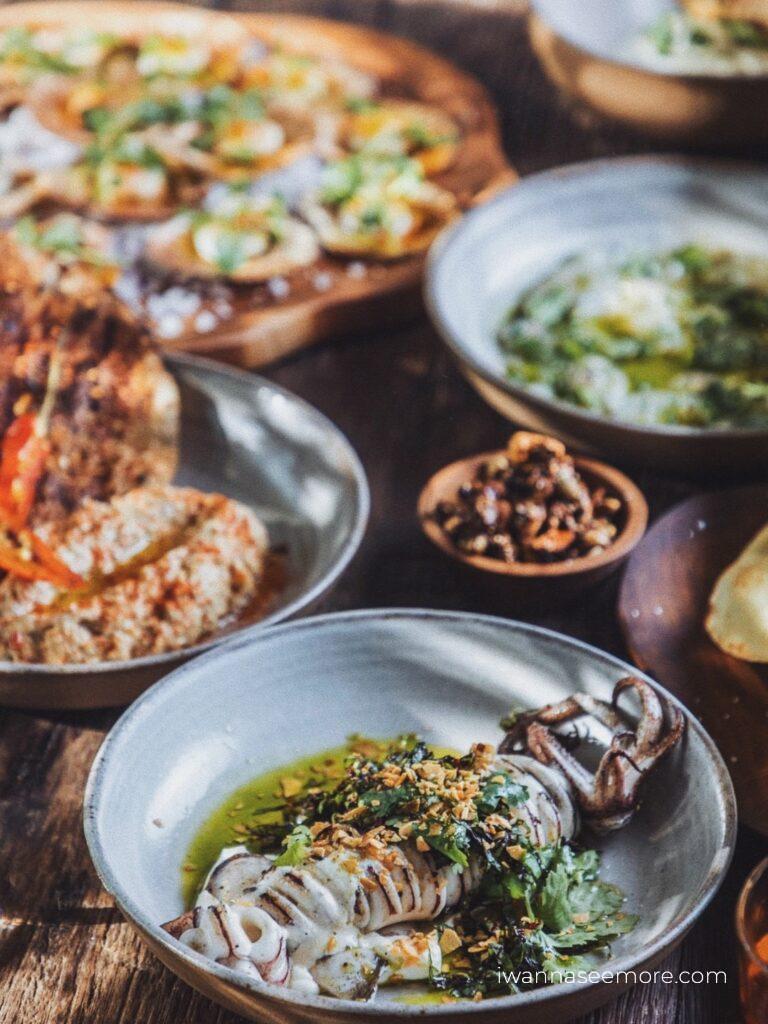
Shelter’s menu is full of a variety of modern dishes, featuring a fusion of international flavors made with fresh local ingredients. Our favorites are the barbecued octopus and grilled duck breast, unbeatable! One of the best restaurants in Bali!
🐙 Barbecue octopus — 110 000 IDR ≈ 7 $
🦆 Grilled duck breast — 210 000 IDR ≈ 13 $
🍤 Fried king prawns — 200 000 IDR ≈ 13 $
☕️ Cappuccino — 35 000 IDR ≈ 2.5 $
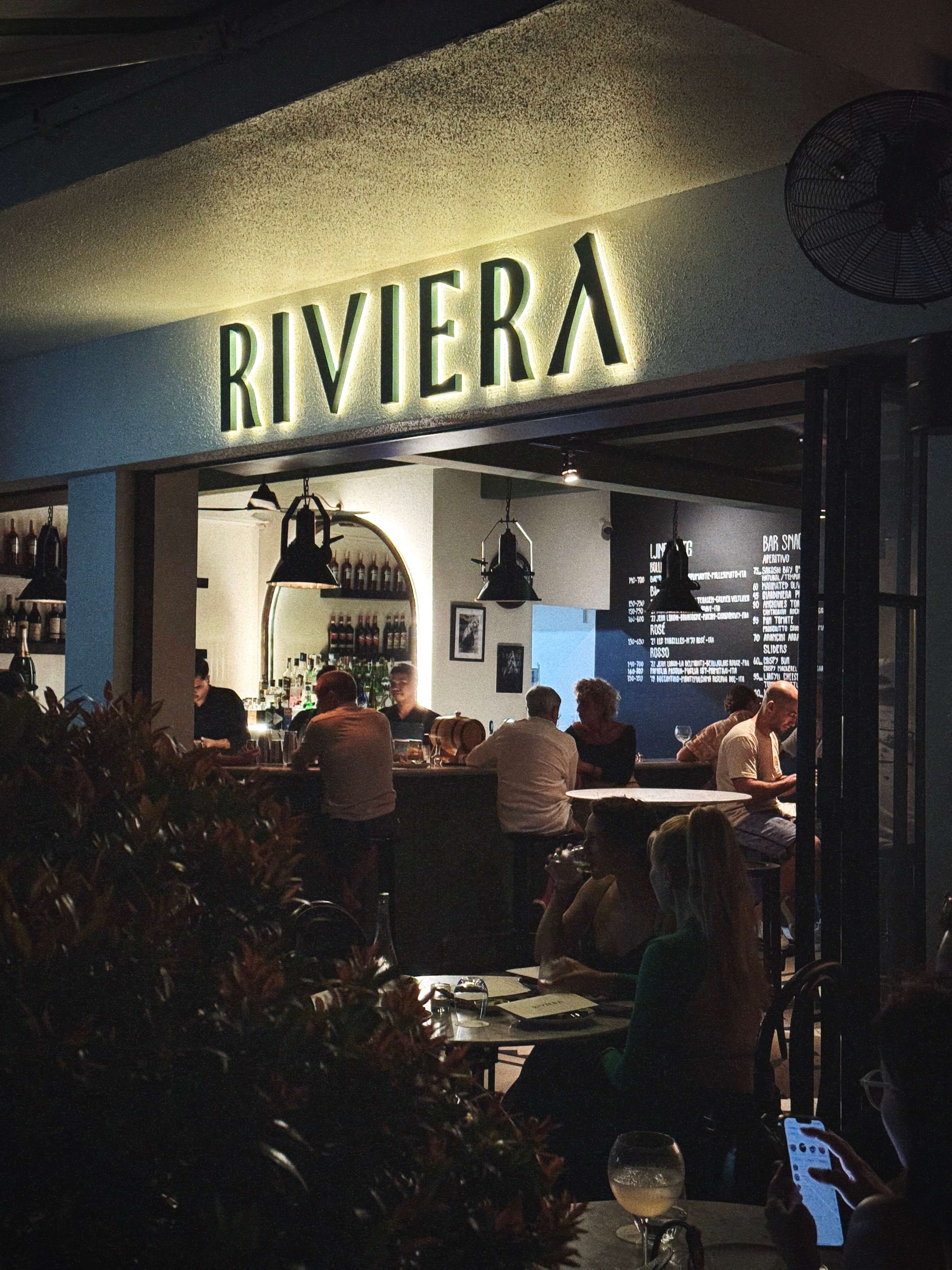
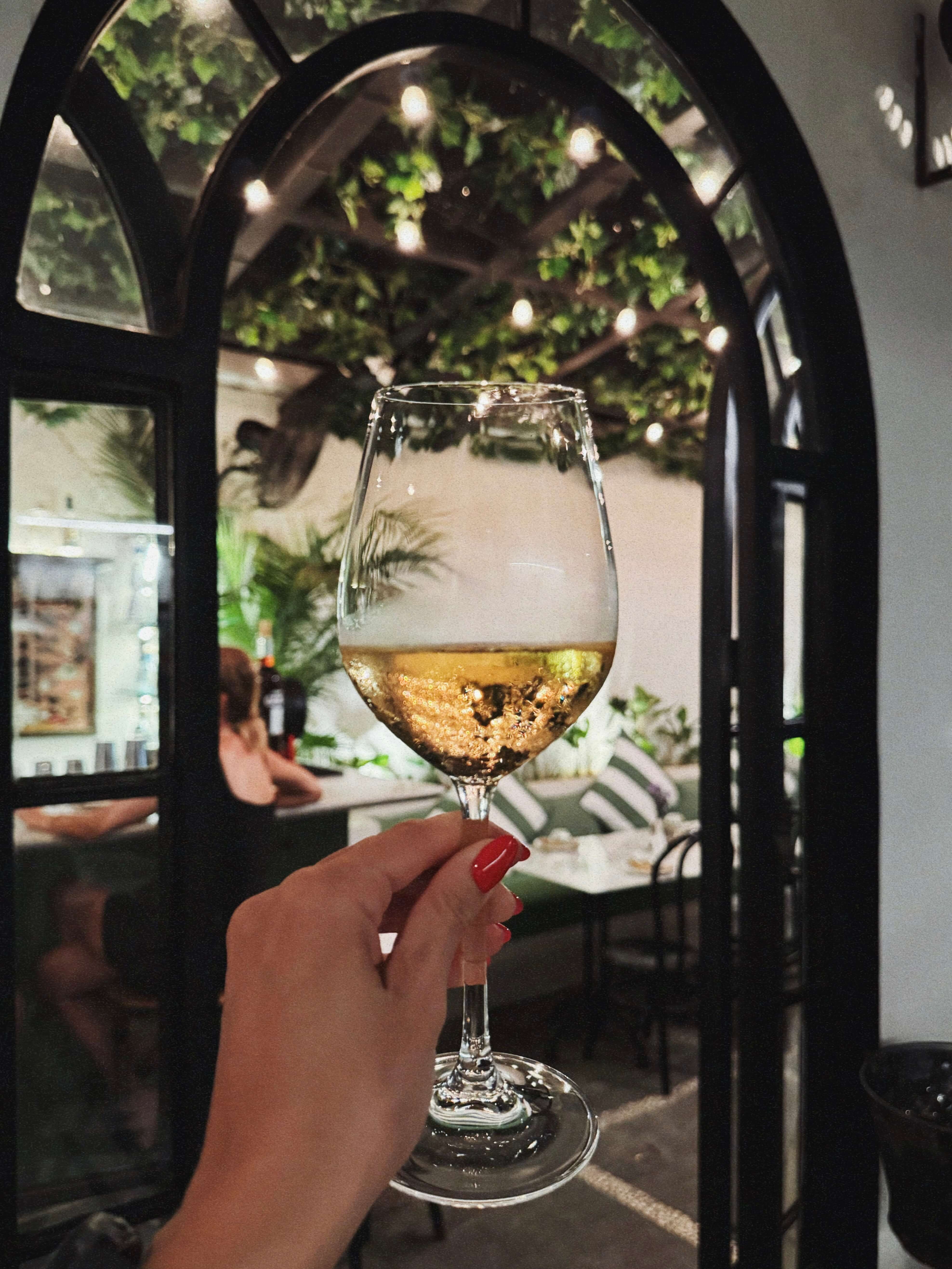
2) Riviera Bistro is a seaside bistro and wine bar in Canggu with authentic fine Italian cuisine and excellent service. It is a small establishment with a stylish interior, with two bars and several areas to choose from.
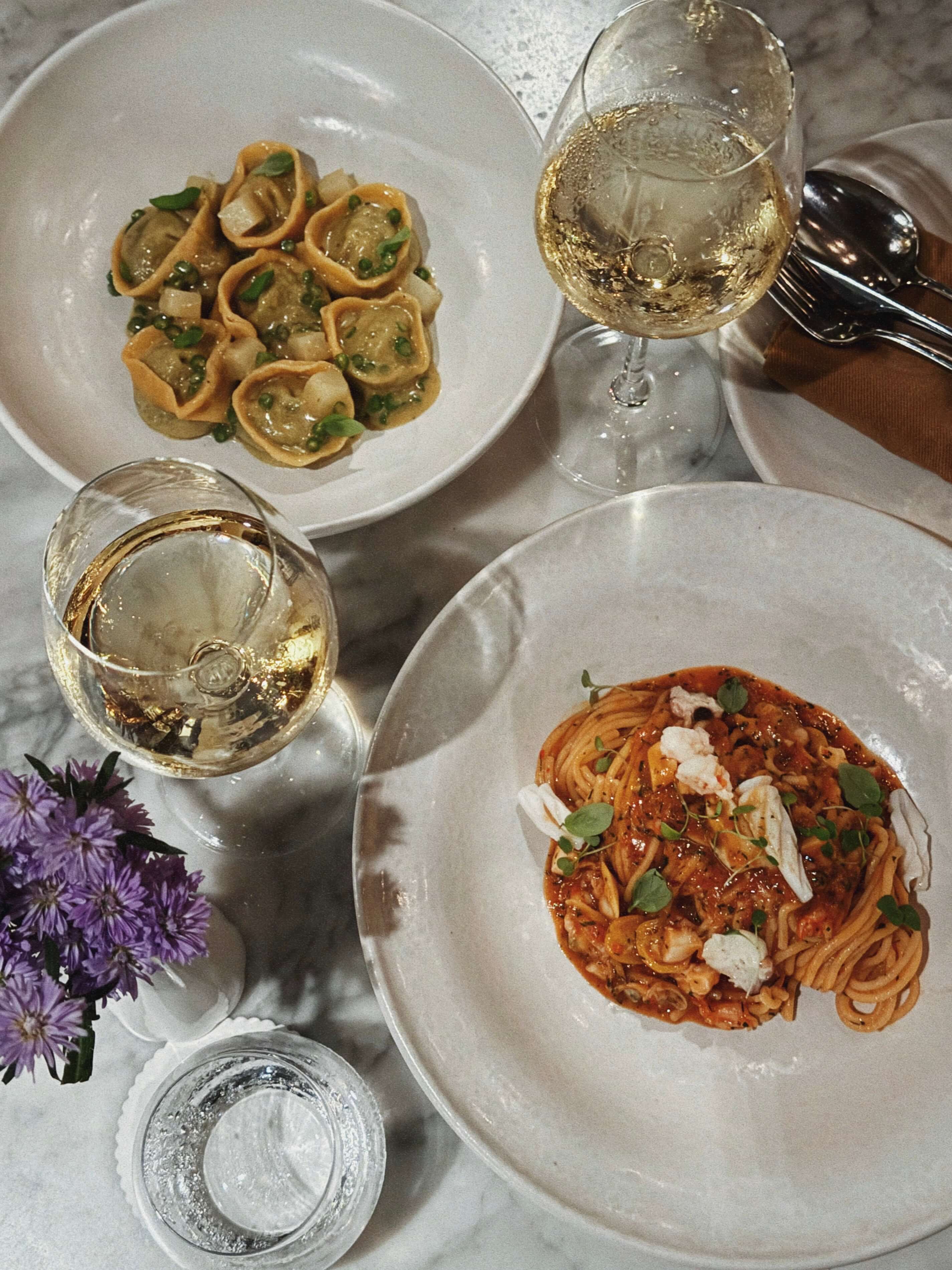
A selective menu of a few dishes, each of which is carefully crafted. Riviera specializes in seafood dishes, where you can taste the most delicious seafood pasta in Canggu. For dessert, we recommend trying the very delicate tiramisu, and at the end of your gourmet dinner, enjoy the traditional Italian-style compliment – your favorite limoncello.
🍝 Pasta with seafood — 170 000 IDR ≈ 11 $
🍷 Wine — 120 000+ IDR ≈ 8 $
🍫 Tiramisu — 90 000 IDR ≈ 6.5 $
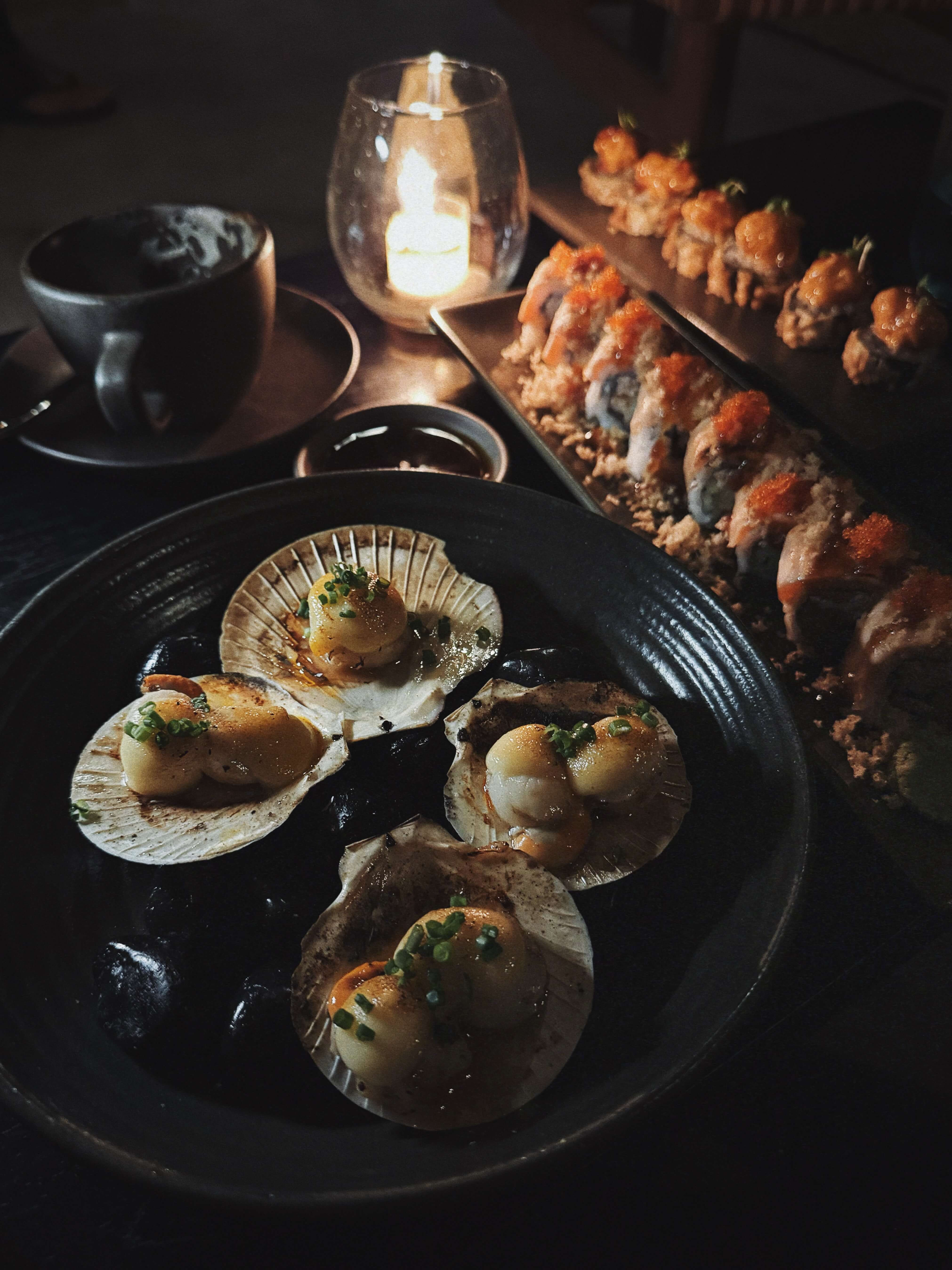
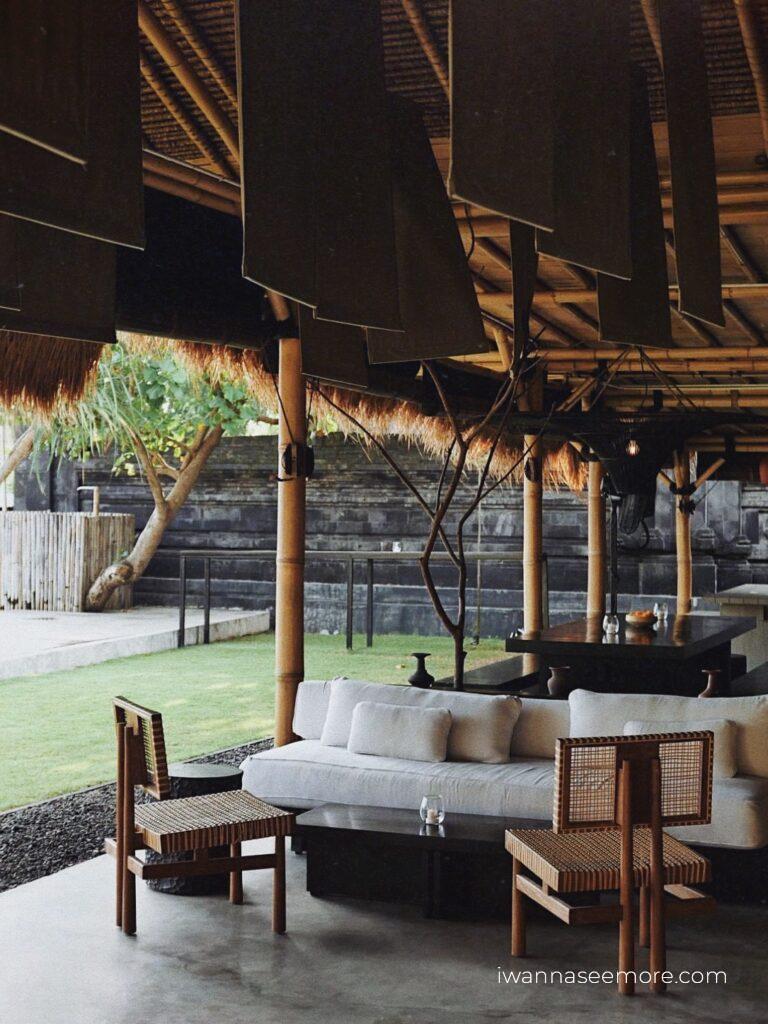
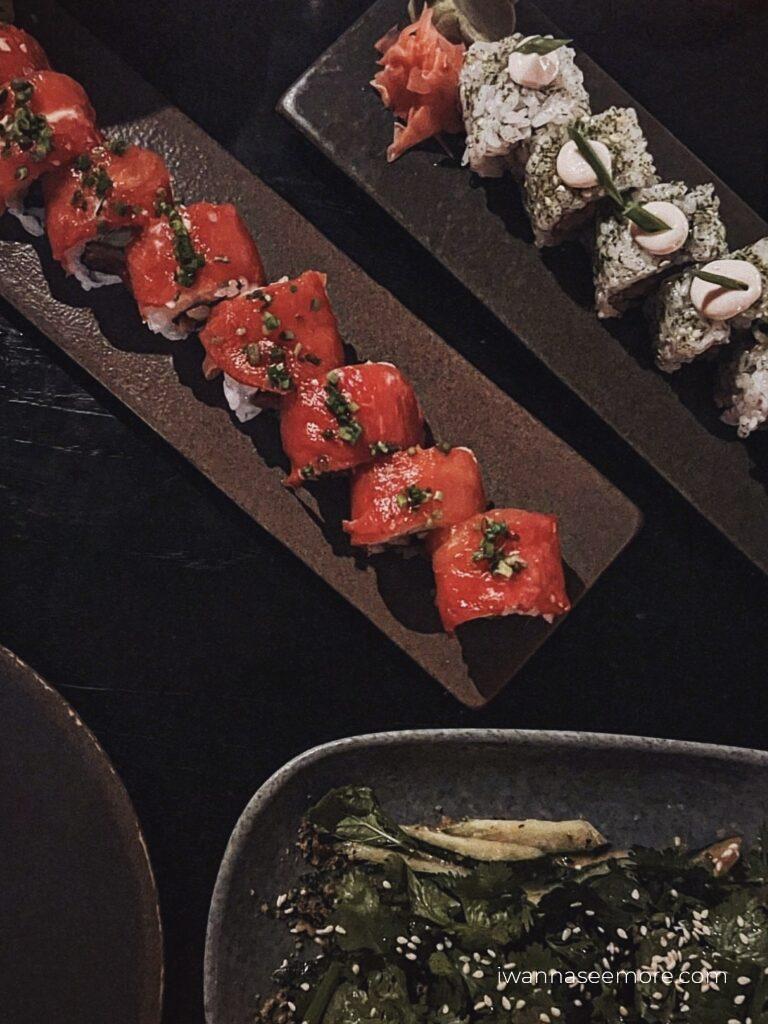
3) Yuki is a stylish place with a Japanese touch. Very tasty and beautiful. A minimalist menu of fresh Balinese seafood. This is the perfect place to dine at sunset on the Canggu waterfront.
The name YUKI, which means “snow” in Japanese, contrasts the restaurant’s sun-drenched tropical environment. From the gorgeous minimalist interior to the menu, which features wood-fired meats and innovative plant-based sushi, incidentally, it is our favorite in Bali. Every ingredient used is of the highest quality.
🥘 Miso soup — 40 000 IDR ≈ 2.5 $
🍱 Maki rolls — 90 – 180 000 IDR ≈ 6 – 12 $
🍣 Nigiri — 60 000+ IDR ≈ 4 $
We have included the entire list of the best restaurants of all cuisines in the world in our handy guide, which you can find at the link below.
Popular cafes and their features
Phenomenal establishments that gather hundreds of customers, forcing them to stand in line to experience the special vibe of a place. These are brands that are recognizable throughout Bali and have their unique atmosphere, taste, and style.
TOP-3 must-visit cafes
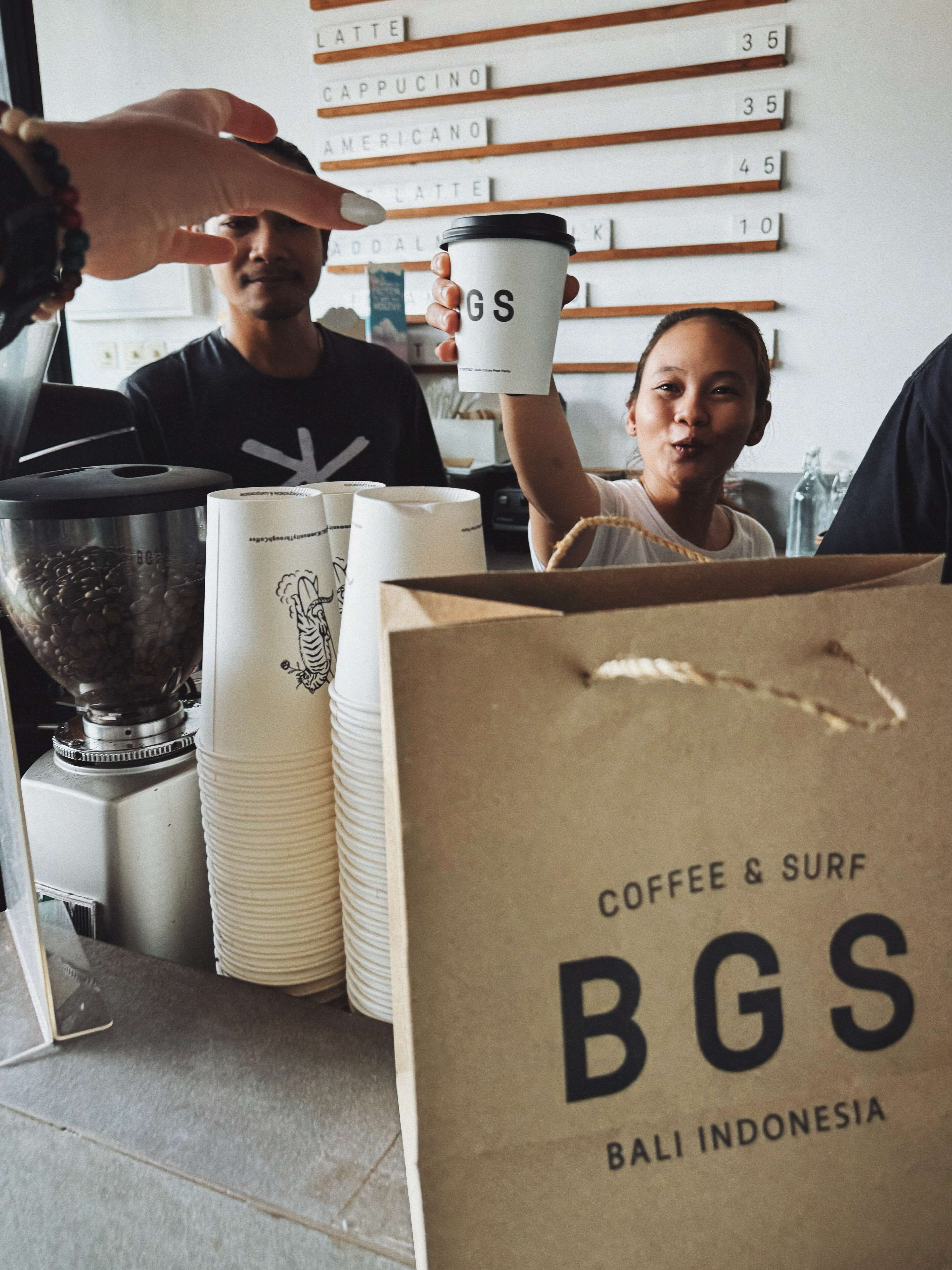
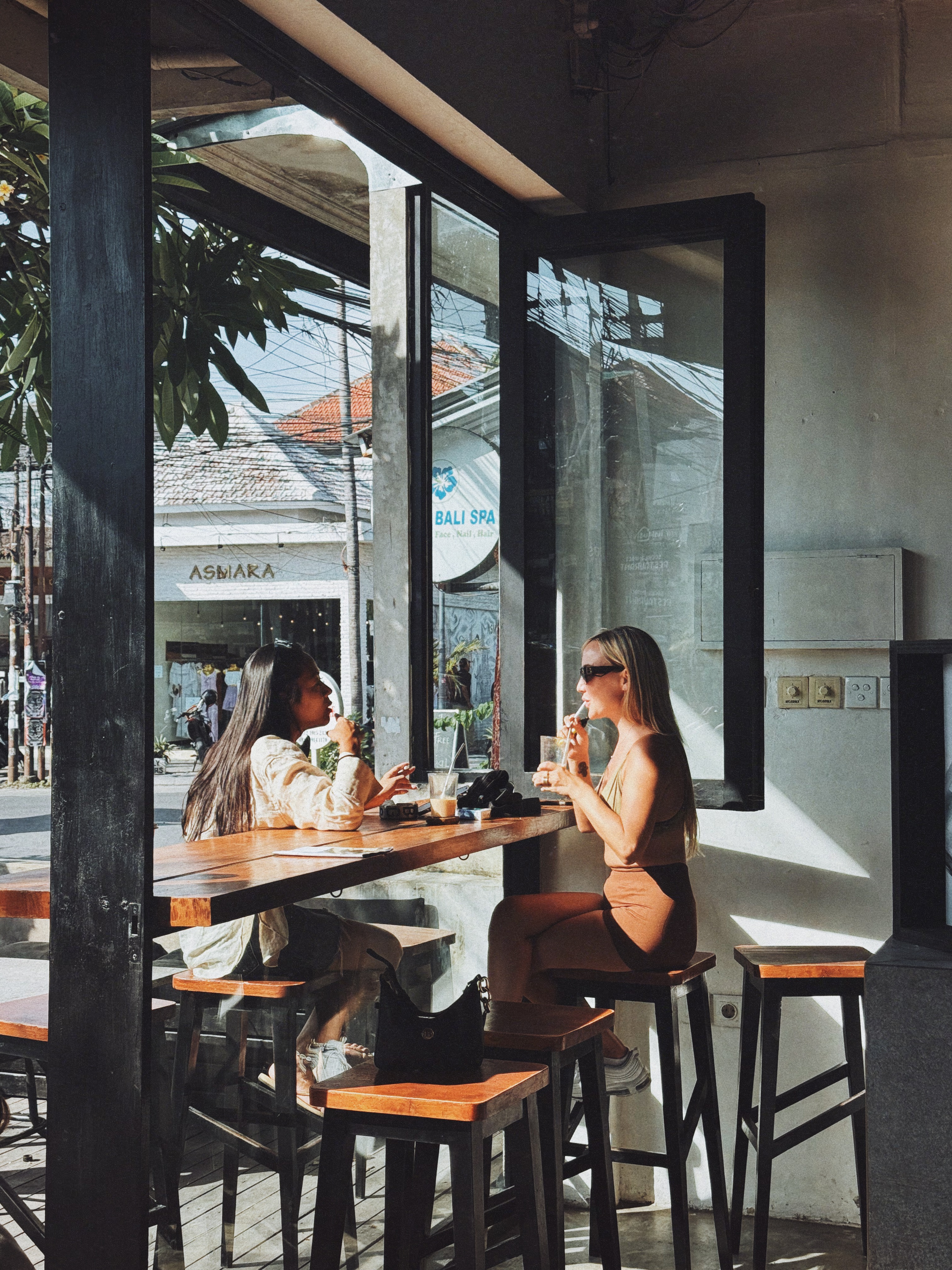
1) BGS (Surf Shop & Coffee Bar) is a cult surfer’s cafe with a small assortment of pastries and a shop selling surfboards, surf accessories, vans, and branded items.
It’s a phenomenal place that combines a coffee shop, a store, and very stylish people in a small space, a community of like-minded people who share a passion for surfing, adventure, and great coffee.
☕️ Cappuccino – 35 000 IDR ≈ 2.5 $
🧁 Carrot muffin – 45 000 IDR ≈ 3 $
🏄🏾♀️ Branded T-shirt – 275 000 IDR ≈ 18 $

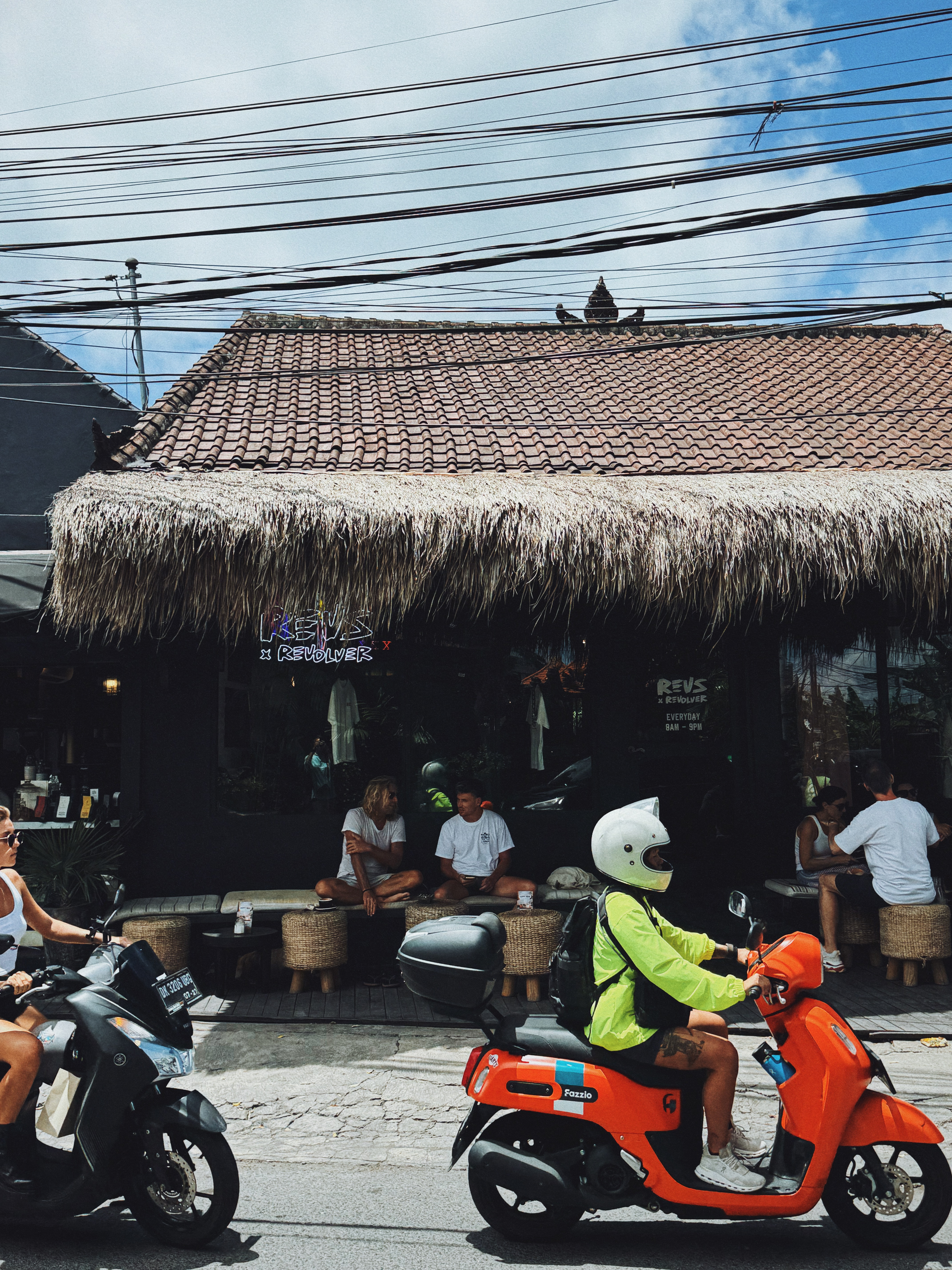
2) Revolver is a legendary western-style coffee shop in Bali where people enjoy quality coffee. Using some of the world’s finest Arabica beans, Revolver is a leader in the coffee industry in Bali and now in your kitchen, as it is available to anyone.
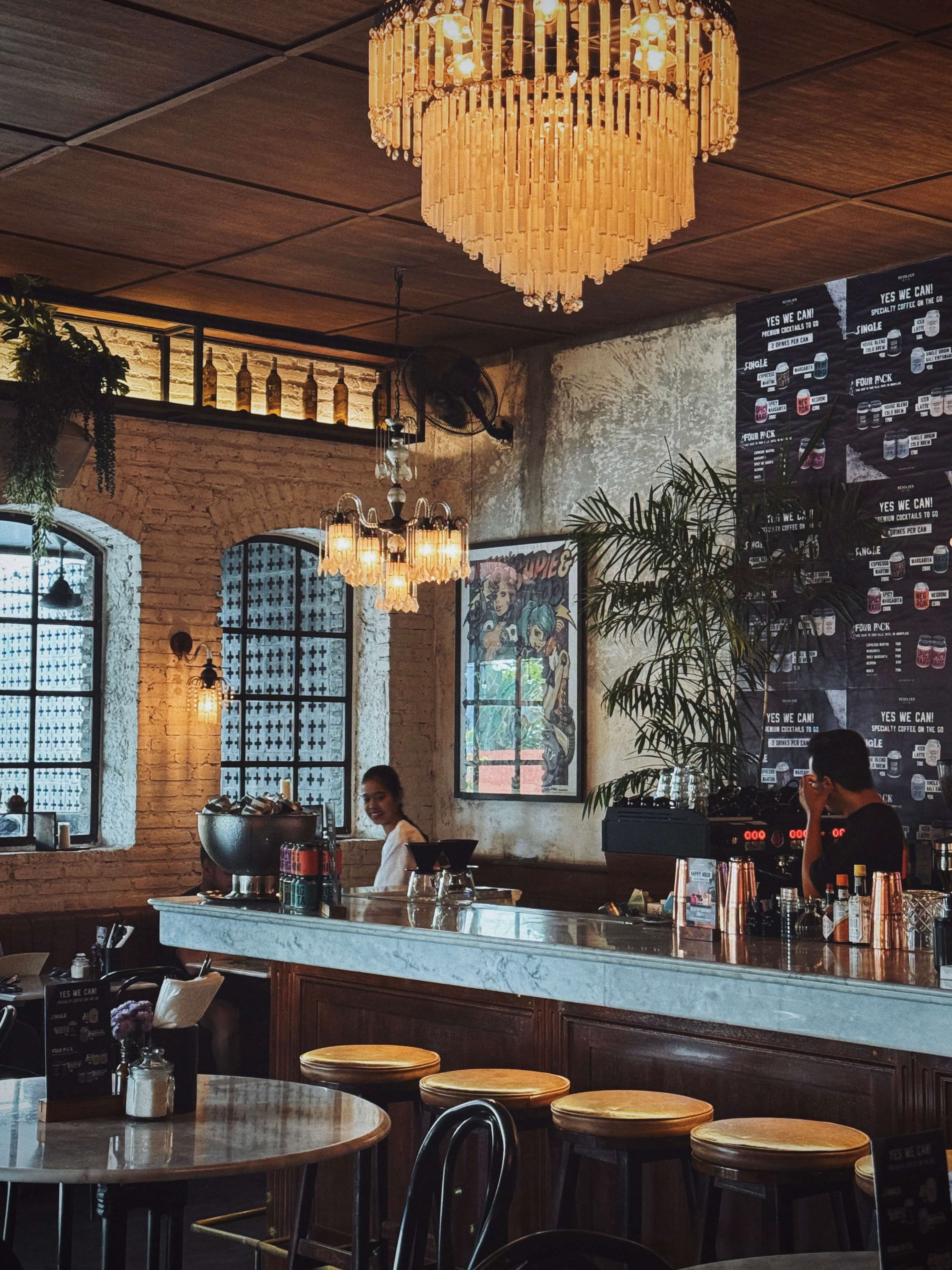
Stylish interior, brick walls, lots of dark wood, and crystal chandeliers with interesting art on the walls. They also have a cool store with branded items of various types.
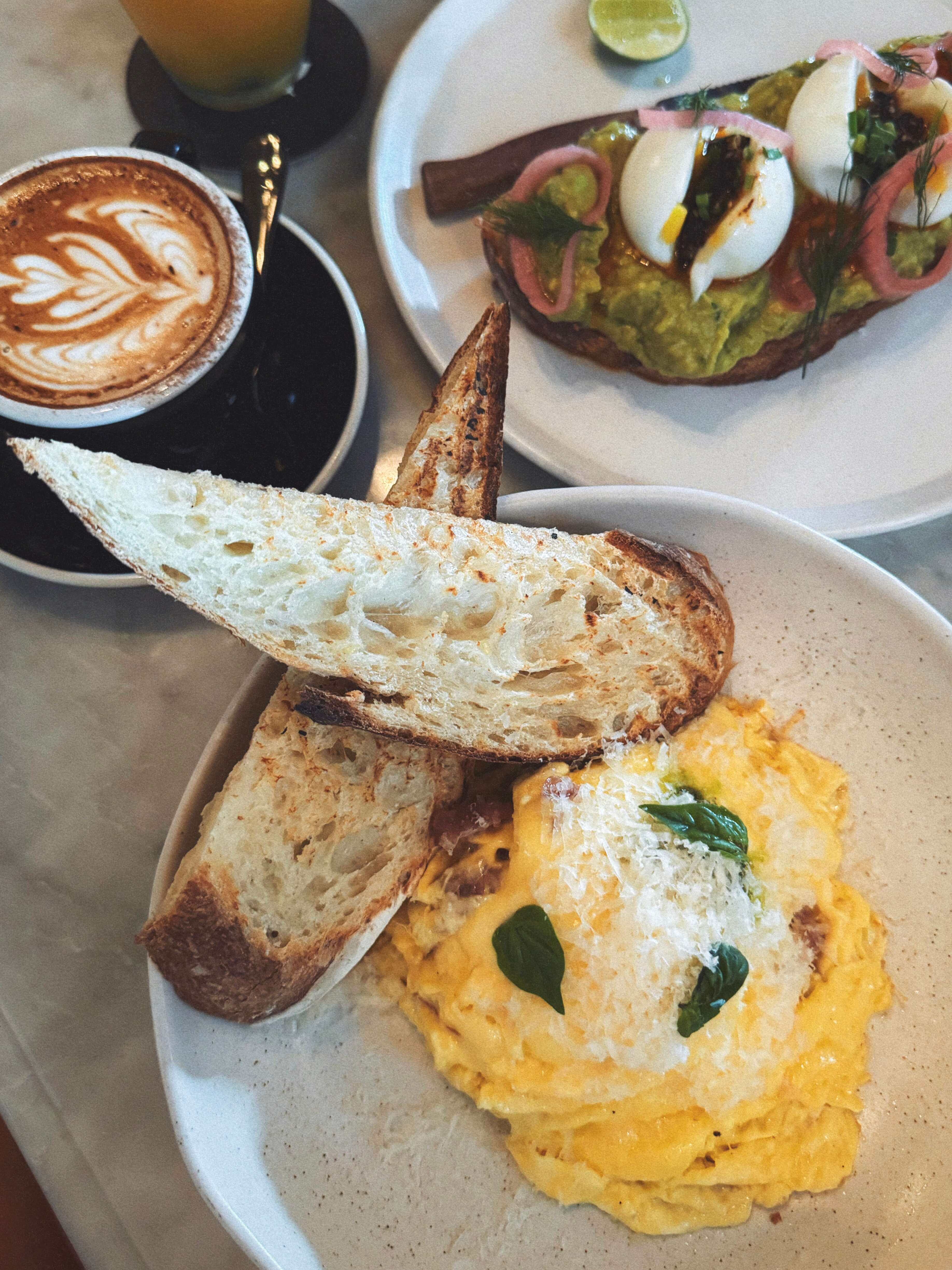
🥑 Avocado toast — 90 000 IDR ≈ 6 $
🍳 Signature scramble — 110 000 IDR ≈ 7 $
🥐 Croissant Benedict — 85 000 IDR ≈ 5.5 $
☕️ Cappuccino — 35 000 IDR ≈ 2.5 $
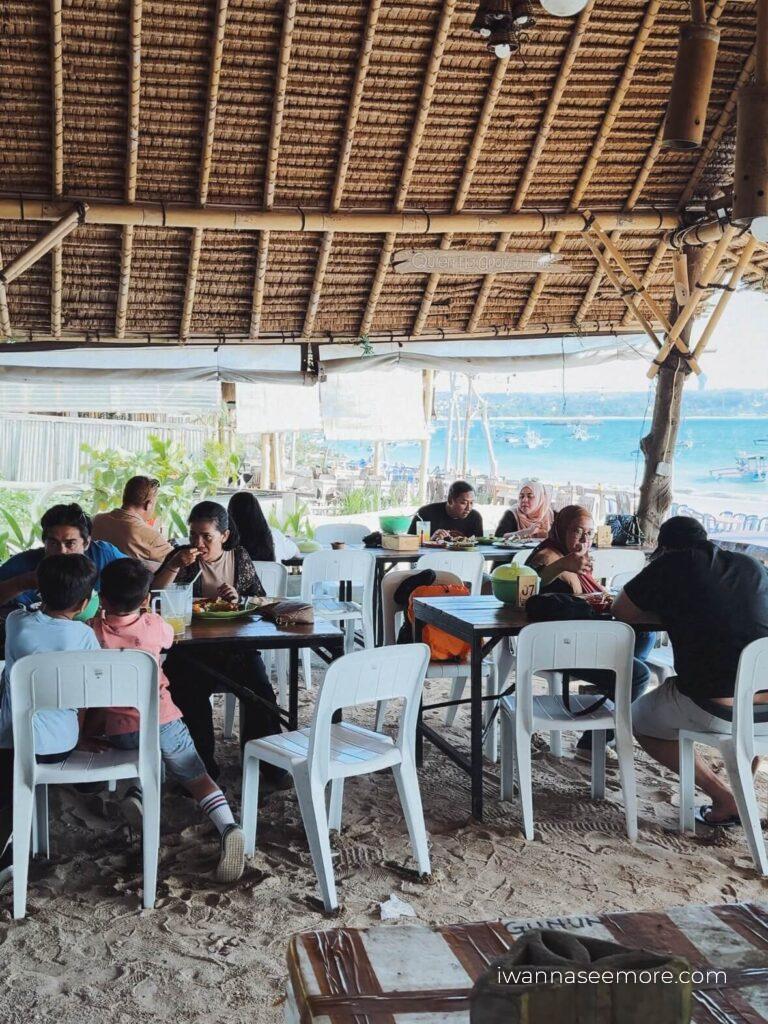
3) Times Beach Warung is an oceanfront establishment that is fun to visit at any time of the day. Order a coconut or your favorite coffee, watch the surfers catch the waves, listen to the sound of the ocean, enjoy the pleasant breeze, or watch the sun go down. Delicious coffee and a very Balinese mood: surfing, the ocean, poufs on the sand, as if time stands still and you don’t want to rush anywhere.
🥑 Avocado toast — 70 000 IDR ≈ 4.5 $
🍳 Eggs — 65 000 IDR ≈ 4.5 $
☕️ Cappuccino — 35 000 IDR ≈ 2.5 $
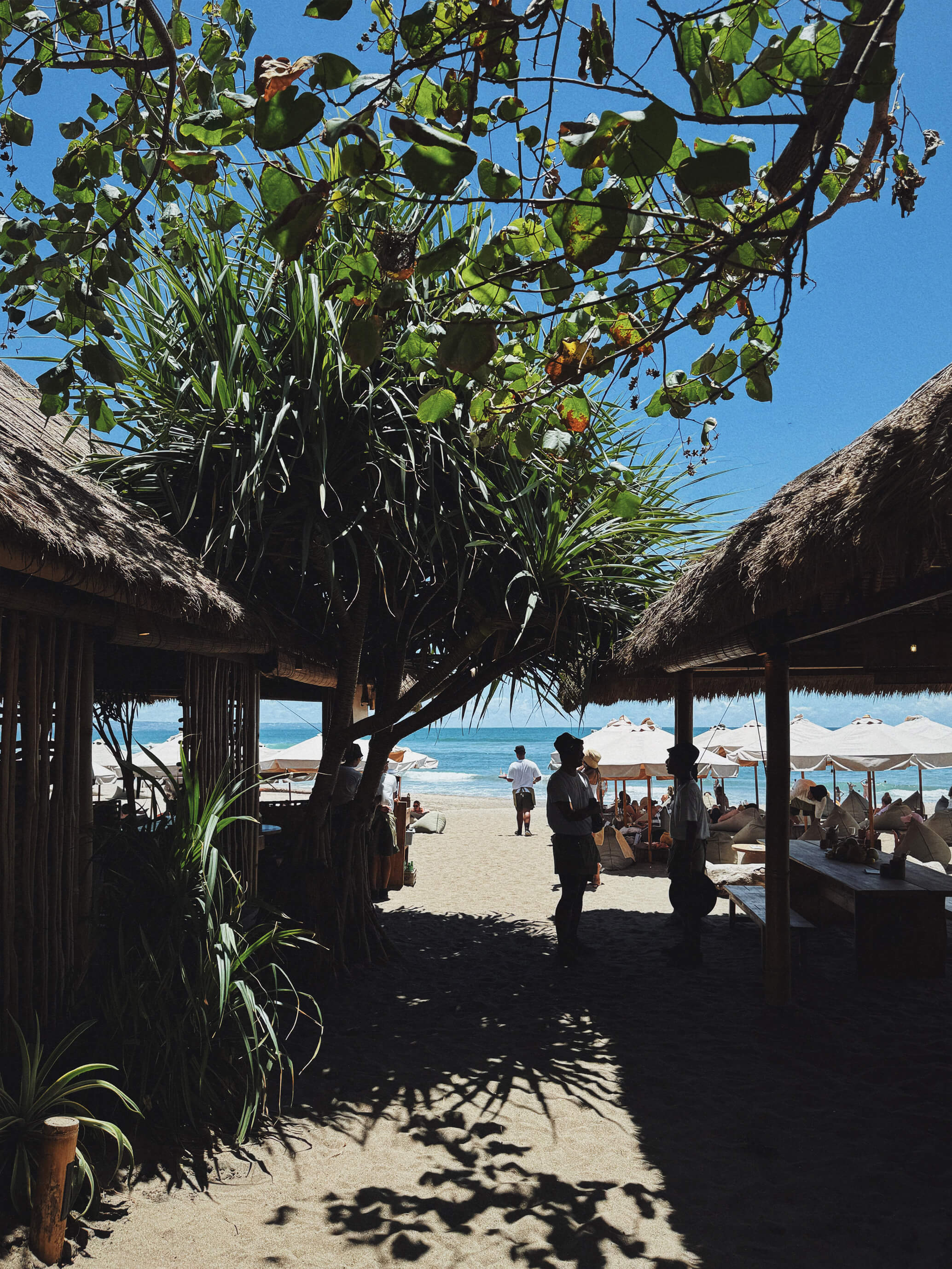
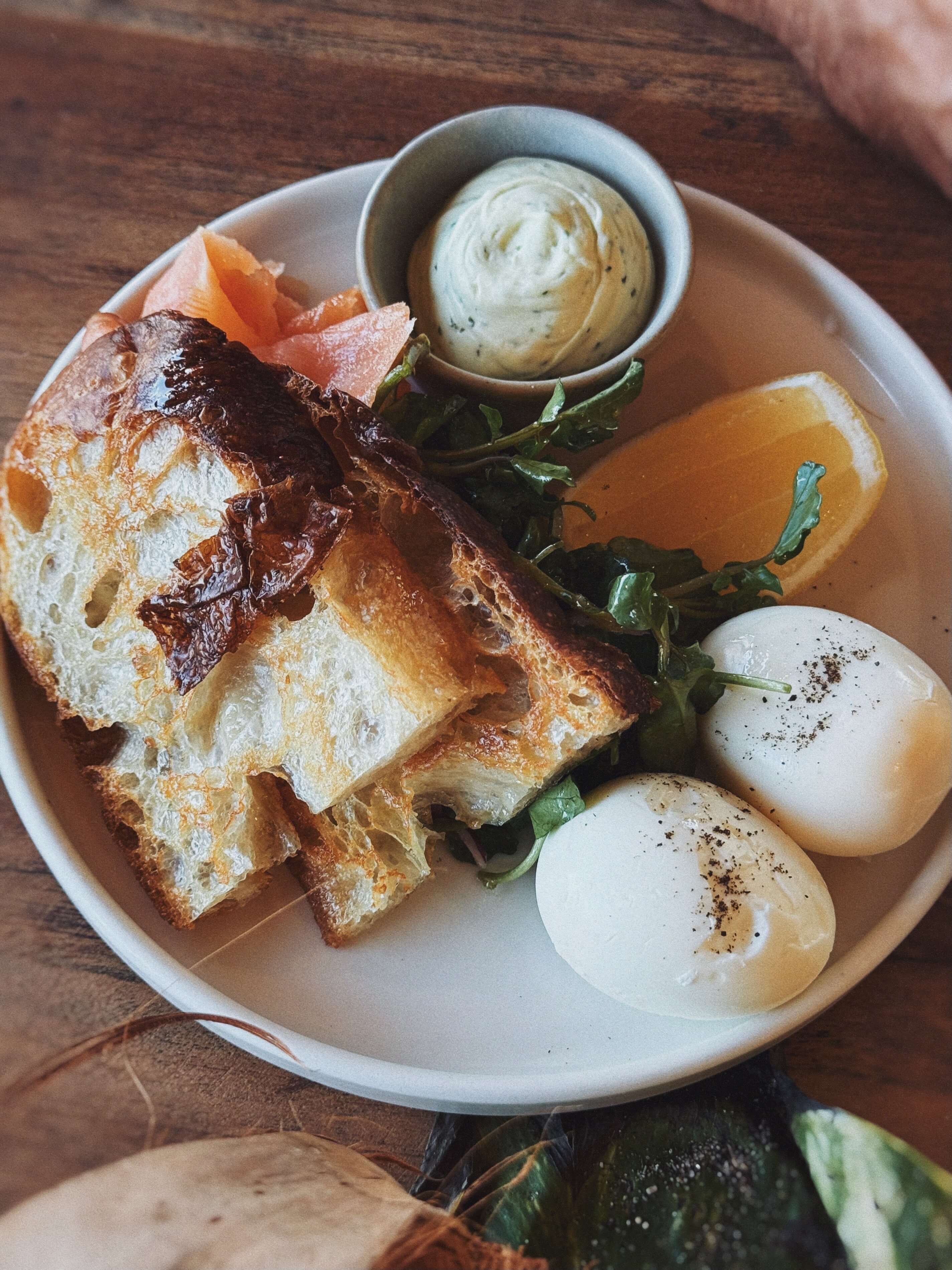
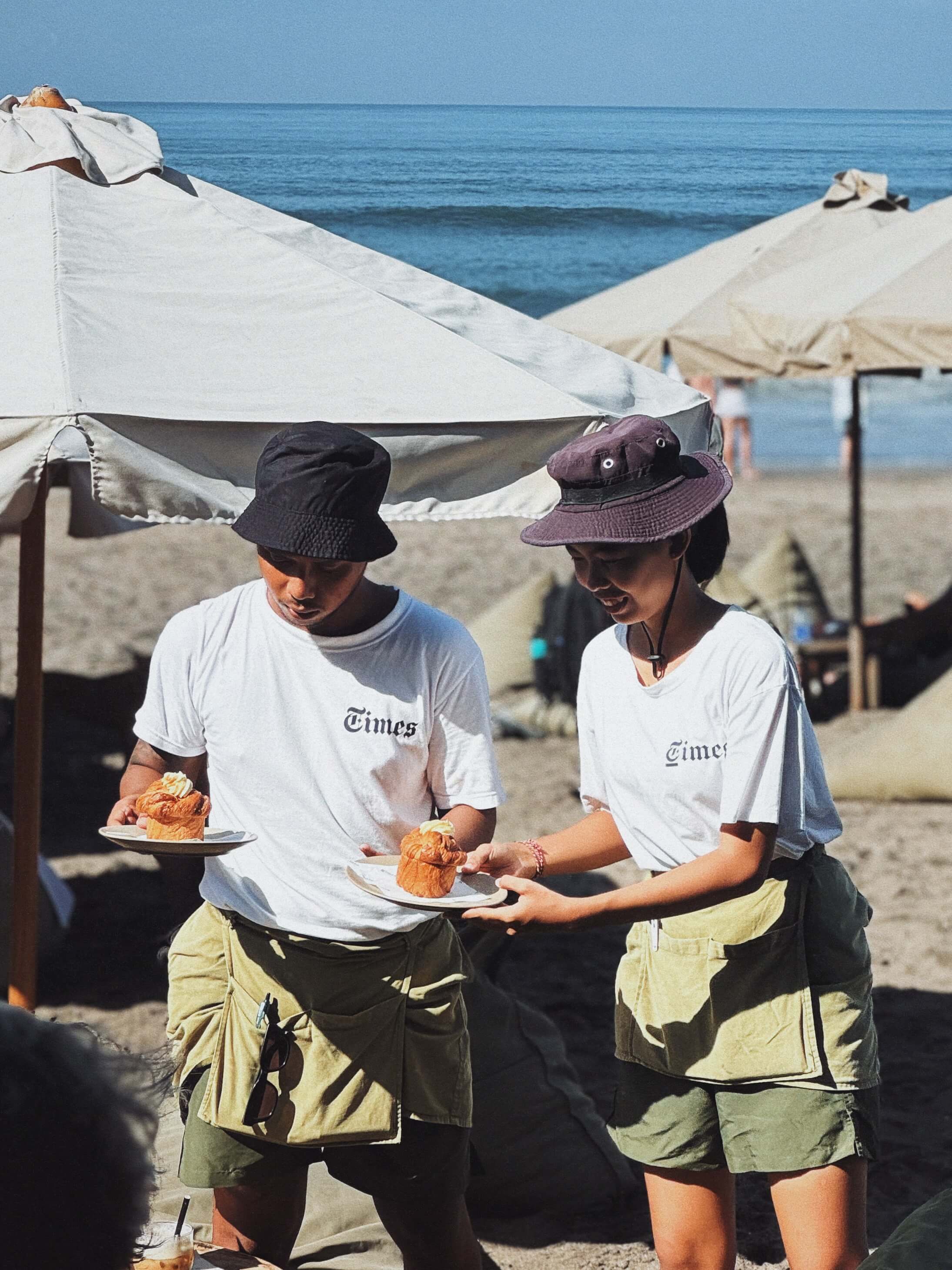
This is a small part of what Bali offers us. During the year we lived on the island, we visited more than a hundred establishments. Based on this, we have selected and compiled a list of worthy establishments with descriptions, photos, and prices for popular items. All this was combined into a handy guide, which you can find at the link below.
Food prices
Cafes and restaurants
You will not go hungry on the island unless you are broke. We surveyed social media and found that there is an opinion that it is very cheap here. Perhaps it was once, but those days are over. Now Bali is experiencing a real tourism boom and prices are rapidly approaching the European average. The average breakfast check for two is about 270,000 IDR ≈ 17 $. This is two meals and two drinks, plus 15-16% gratuity: 10% is city tax, and 5% to 6% is service. There are almost no establishments that do not include fees. Therefore, be prepared for your bill to be more than you estimate based on the price of the dishes you ordered.
Balinese warungs
Of course, local warungs will have much lower prices, but the quality of food may be different. But if you’re not interested in all these aesthetic interiors and serving, and you have a soft spot for avocado toast, then this option will suit you perfectly.
Approximate prices: 20 – 25,000 IDR ≈ 2 $ per dish. Often, in warungs, service is also already included in the menu price, but always in different ways, it is better to check with the waiter in advance, or usually taxes and fees are written on the menu pages at the bottom.
But, not infrequently, warungs have begun to be equipped like modern cafes, inventing dishes, creating an atmosphere, and, accordingly, in more civilized ones, prices will be higher.
Delivery services
In Bali, most people eat out or order food to take home. The largest delivery services are Grab and Go-Jek. These are also motorcycle taxis that everyone uses to get around. We recommend downloading apps to your phone as soon as you arrive on the island.
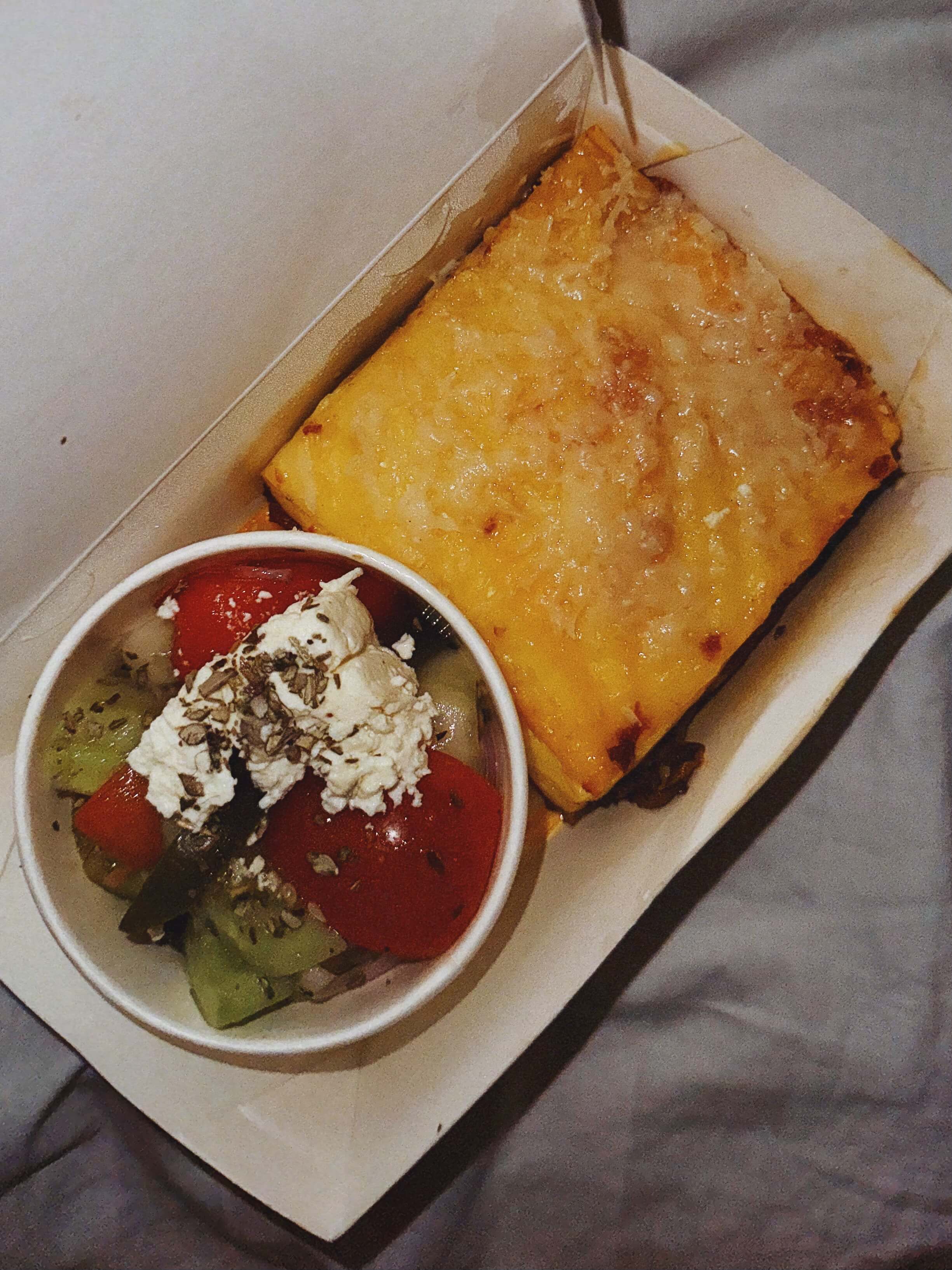
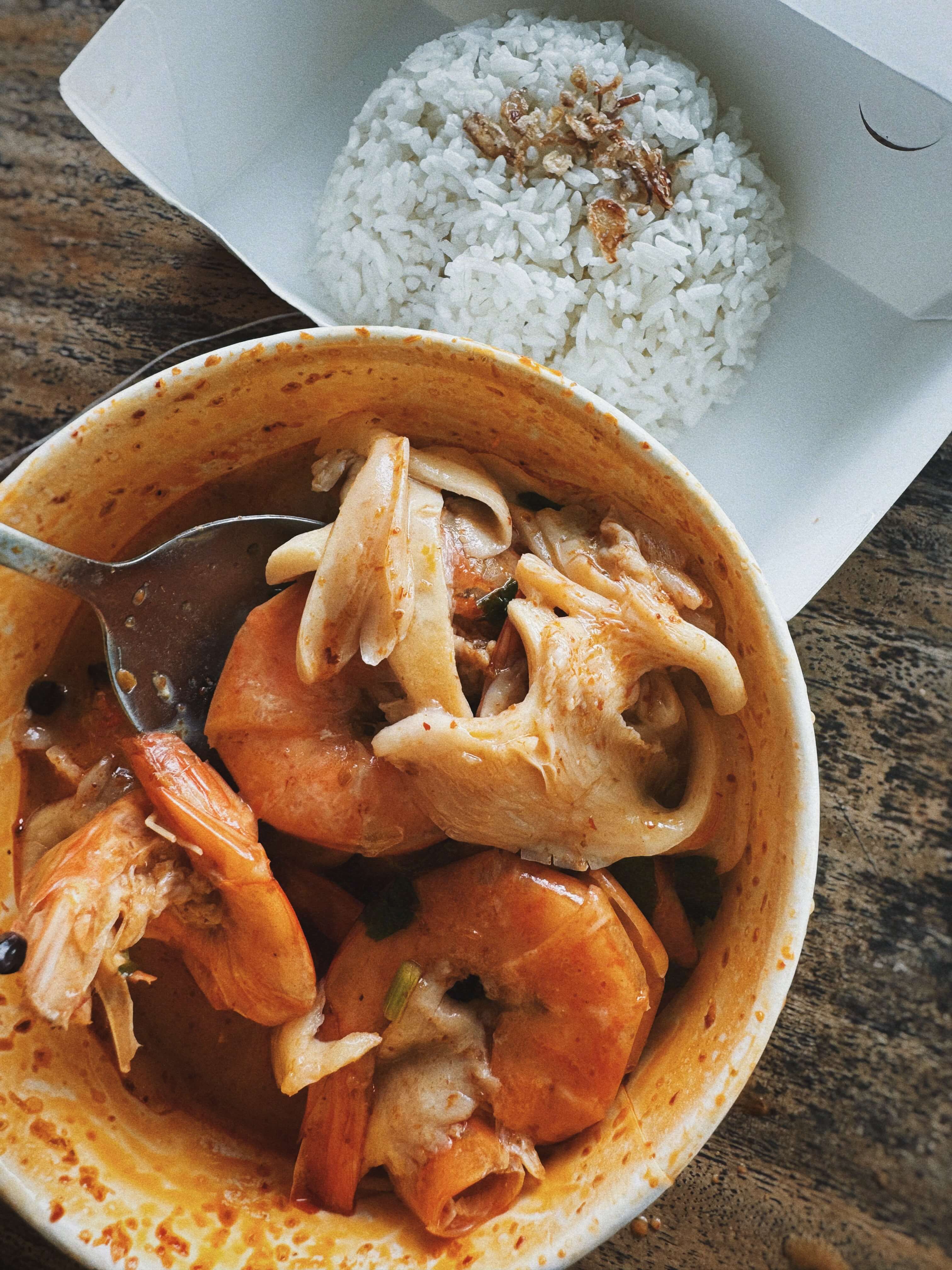
restaurant
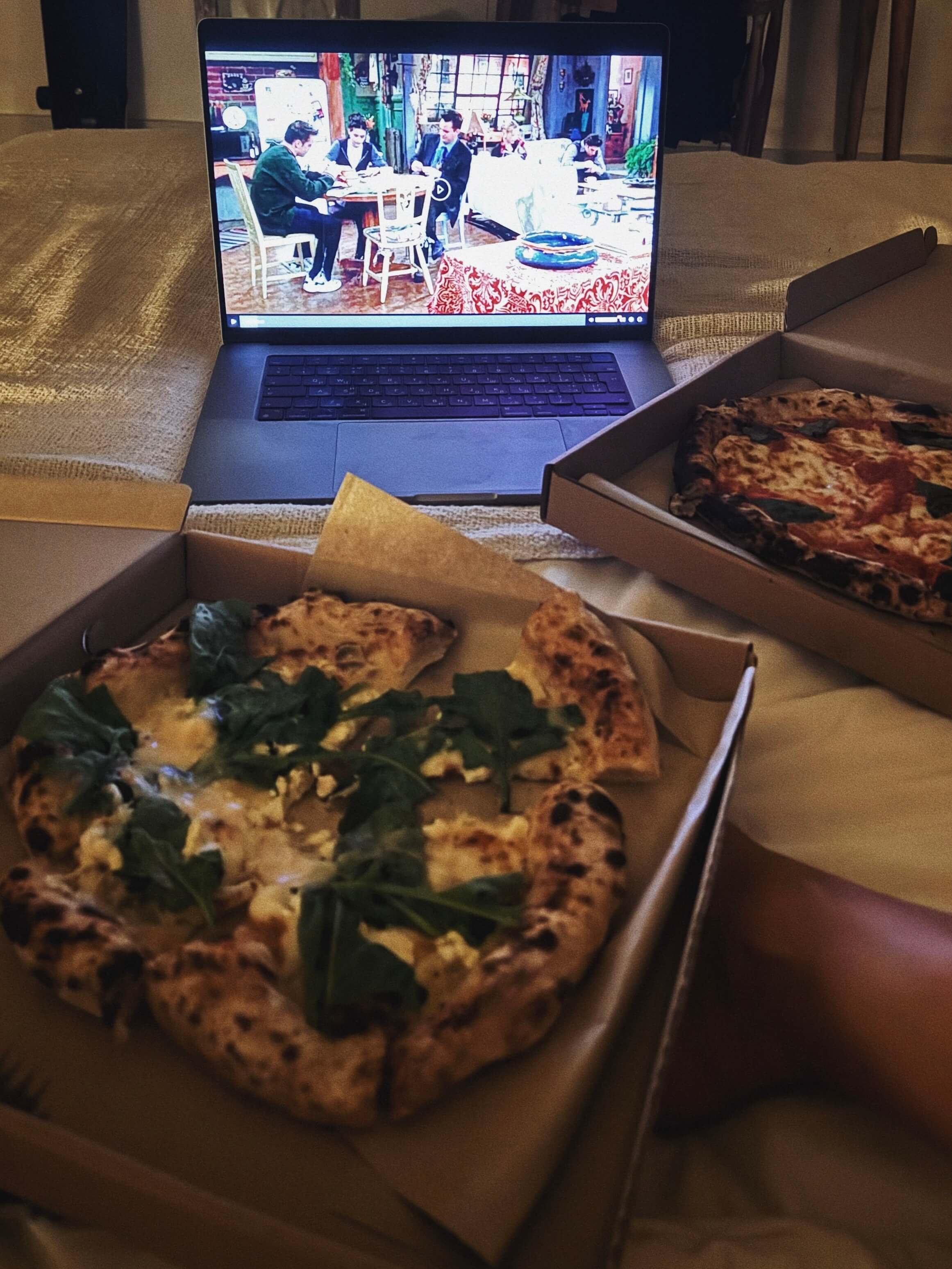
Cooking at home
Also, no one has canceled cooking on your own. You can find almost any product you need on the island, the only question is the price. Indeed, eating in the simplest warungs will sometimes cost you less than cooking on your own. It is not uncommon for the price of your home-cooked meals to coincide with the prices in a hipster cafe.
For example, making a large salad for two at home with vegetables, herbs, and chicken will cost you about $5. In some trendy cafes, the price will be similar. If you’re a shawarma lover like us, be prepared for 8 small sheets of pita bread in a store to cost you $6. In this case, it’s easier to order.
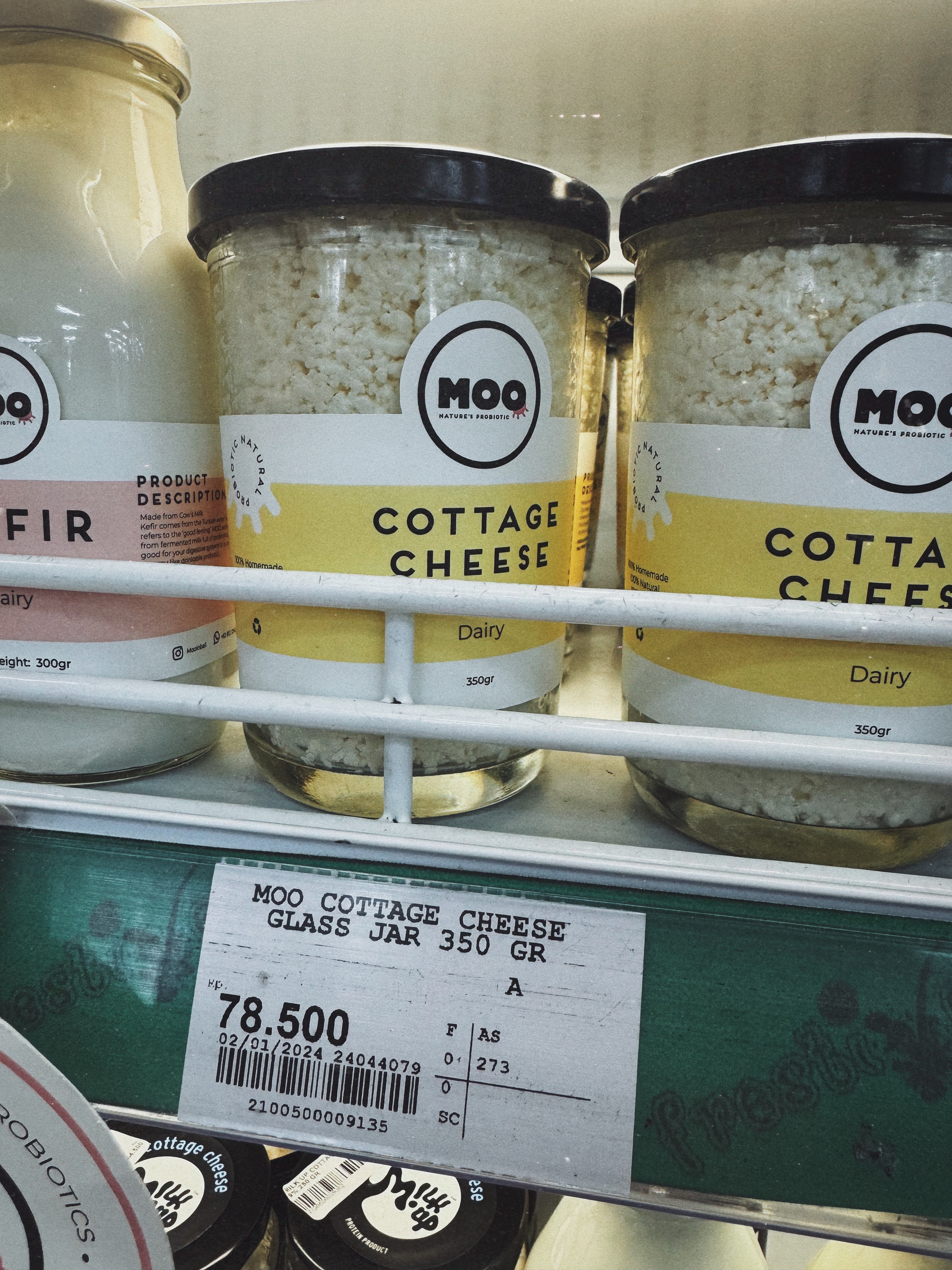
Another example. We are preparing one of our favorite breakfasts – Syrniki. For this, we need homemade cottage cheese, which, like all cheeses here, is an exotic product. It can still be found in supermarkets for $5+. You can also buy sour cream, condensed milk, and yogurt there. You pick up fruit at the market and decorate it as you like. As a result, you get +- 10 cheesecakes for $7-$10, which is $3 for a portion like in a cafe, which consists of 3 to 4 cheesecakes costing $5-$7.
Of course, if you compare it with restaurant dishes, the price difference will be much higher.
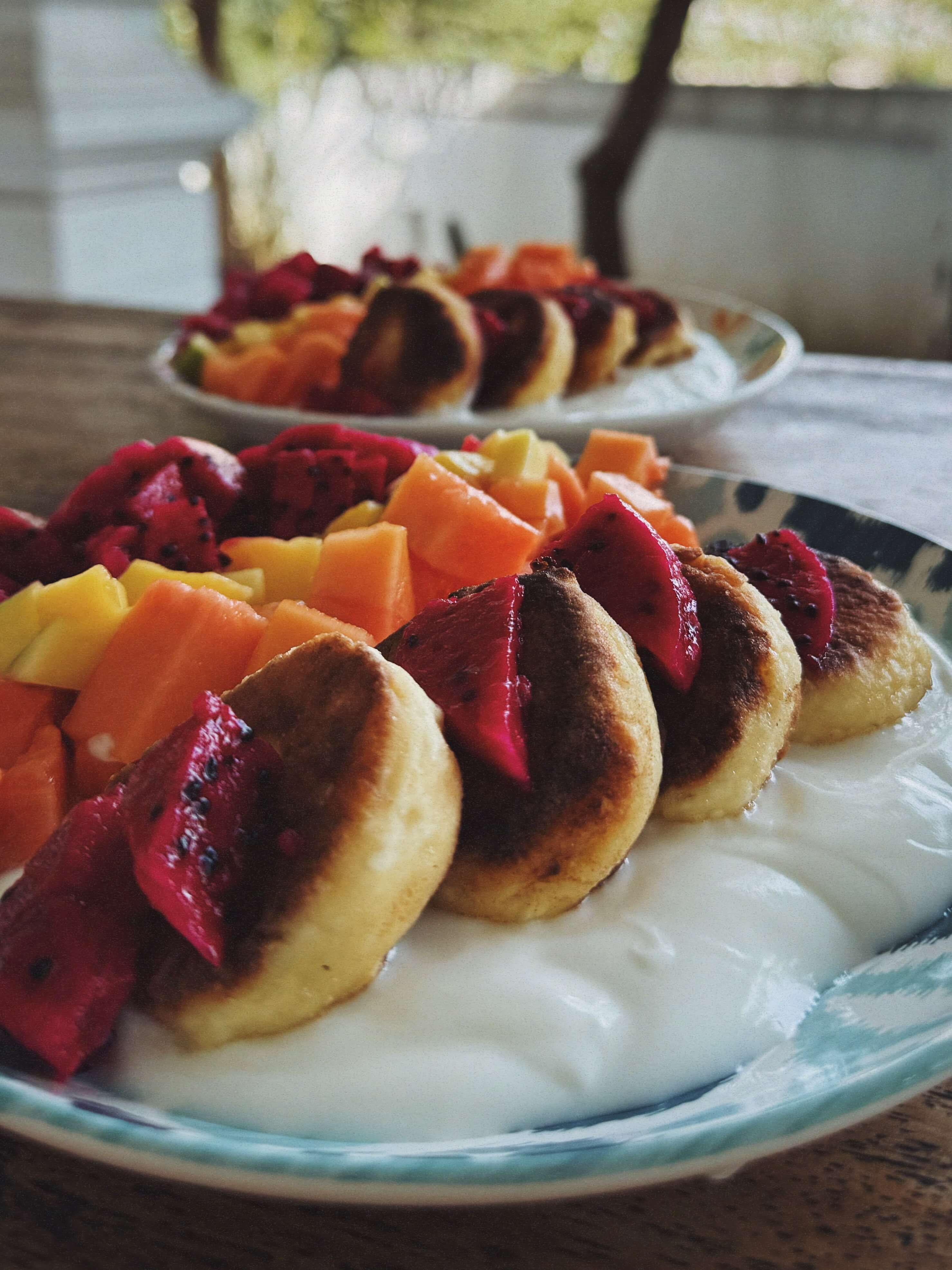
≈ 10 pieces / 7-10 $
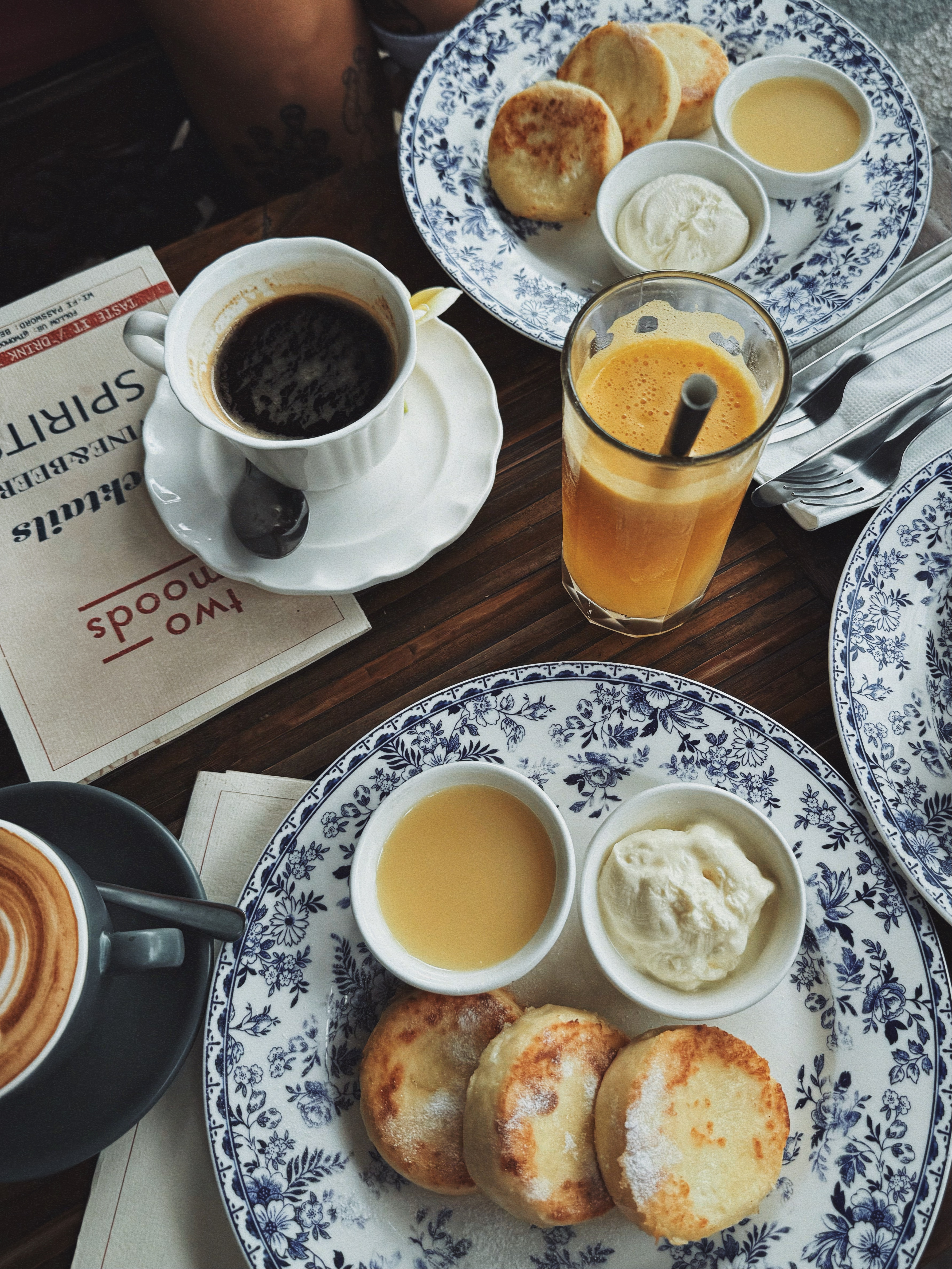
≈ 3-4 pieces / 5-7 $
Shops, supermarkets
There are several supermarket chains in Bali, such as Pepito, Frestive, and Carrefour, and other smaller chain stores like Circle K, Mini-Mart, and Indomart. Here you can find anything you want. The most expensive products, of course, will be those from the European market. For example, if you are a connoisseur of Italian or French cheeses and all dairy products, prosciutto, and other delicacies, then be prepared to pay three times more than usual.
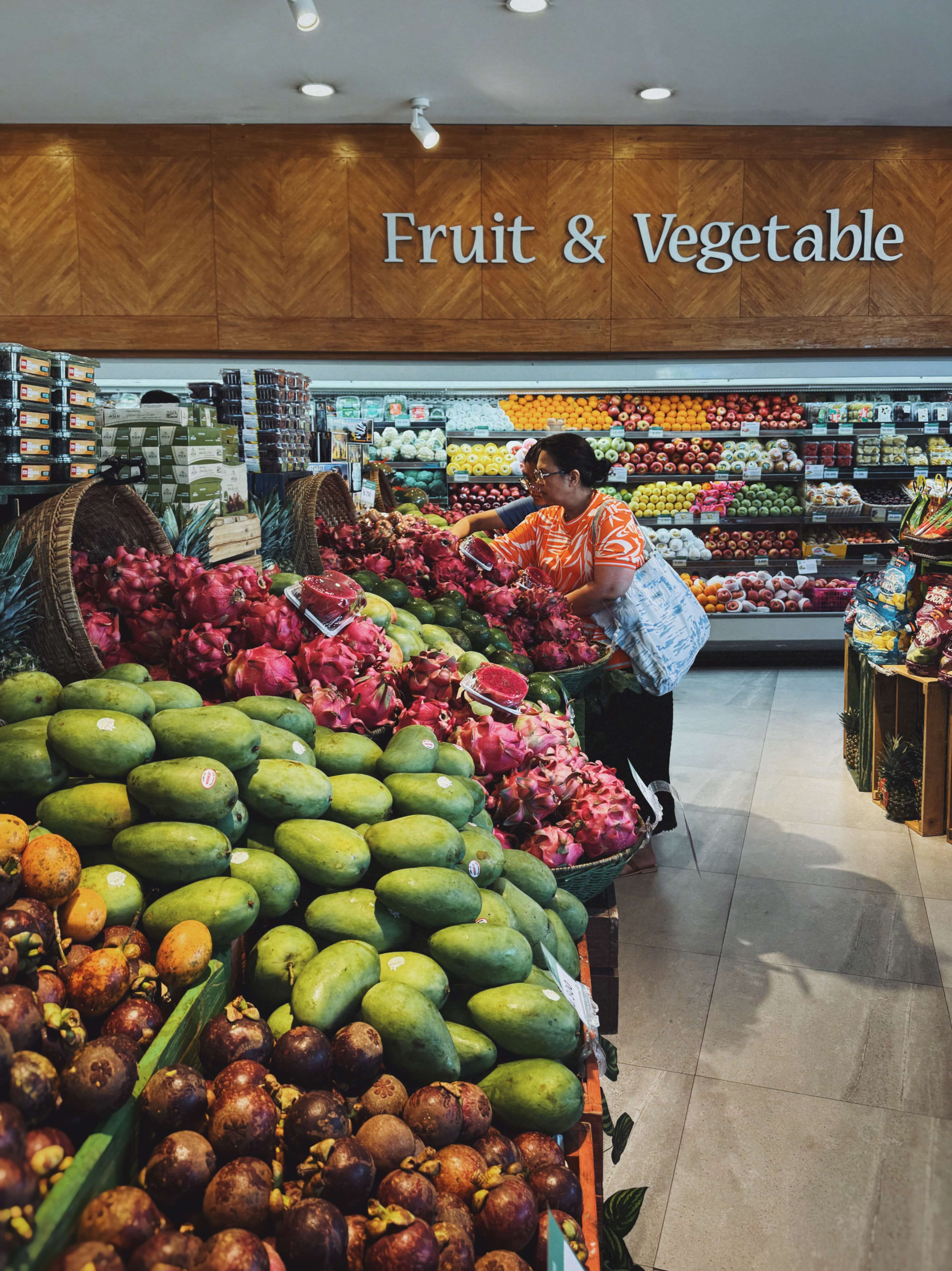
The main advantage of supermarkets is that along with groceries, you can buy everything you need for your home at once, saving time. Supermarkets have a large section with perfectly arranged fruits, but their prices are significantly different from those found in local markets.
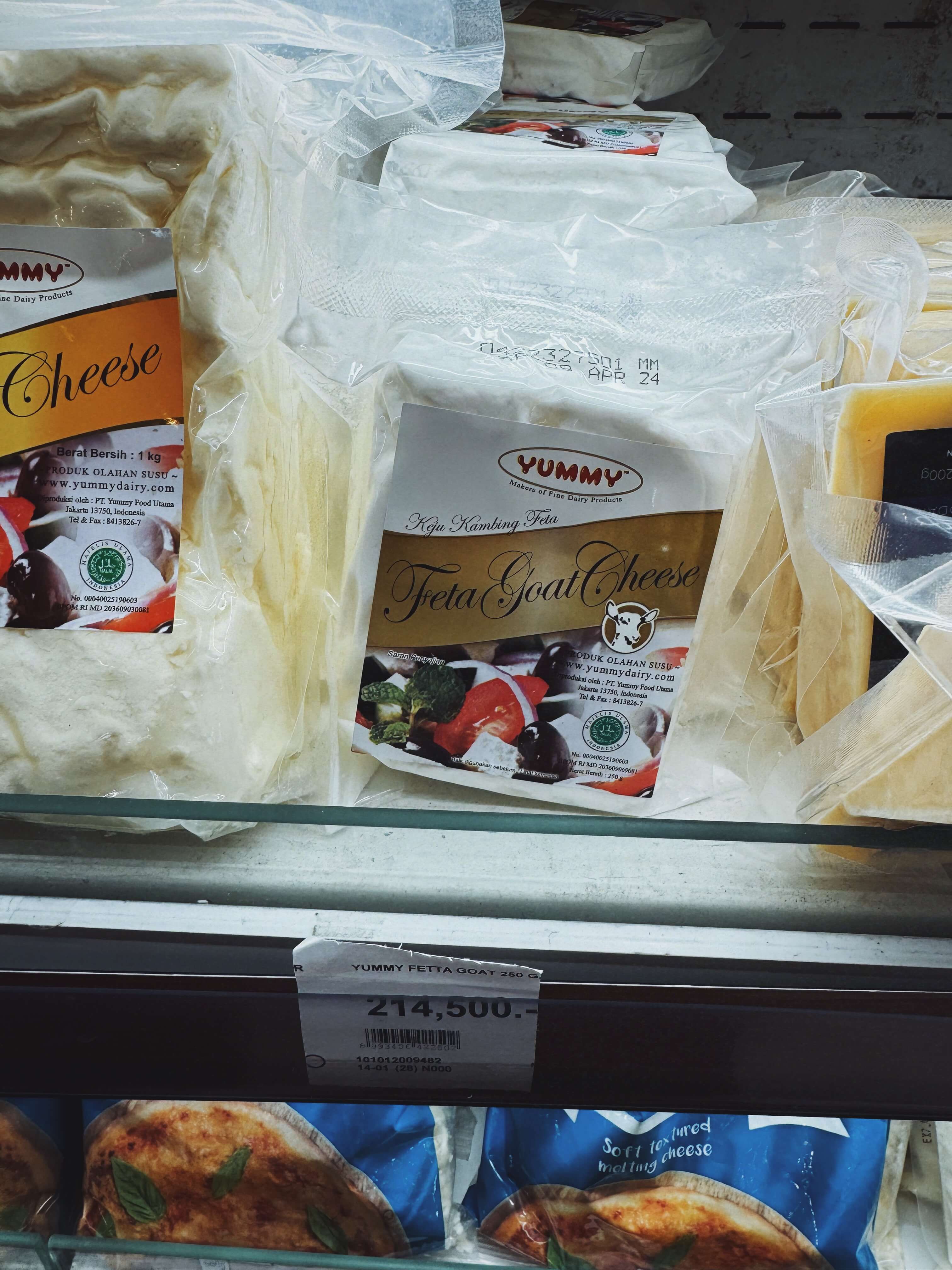
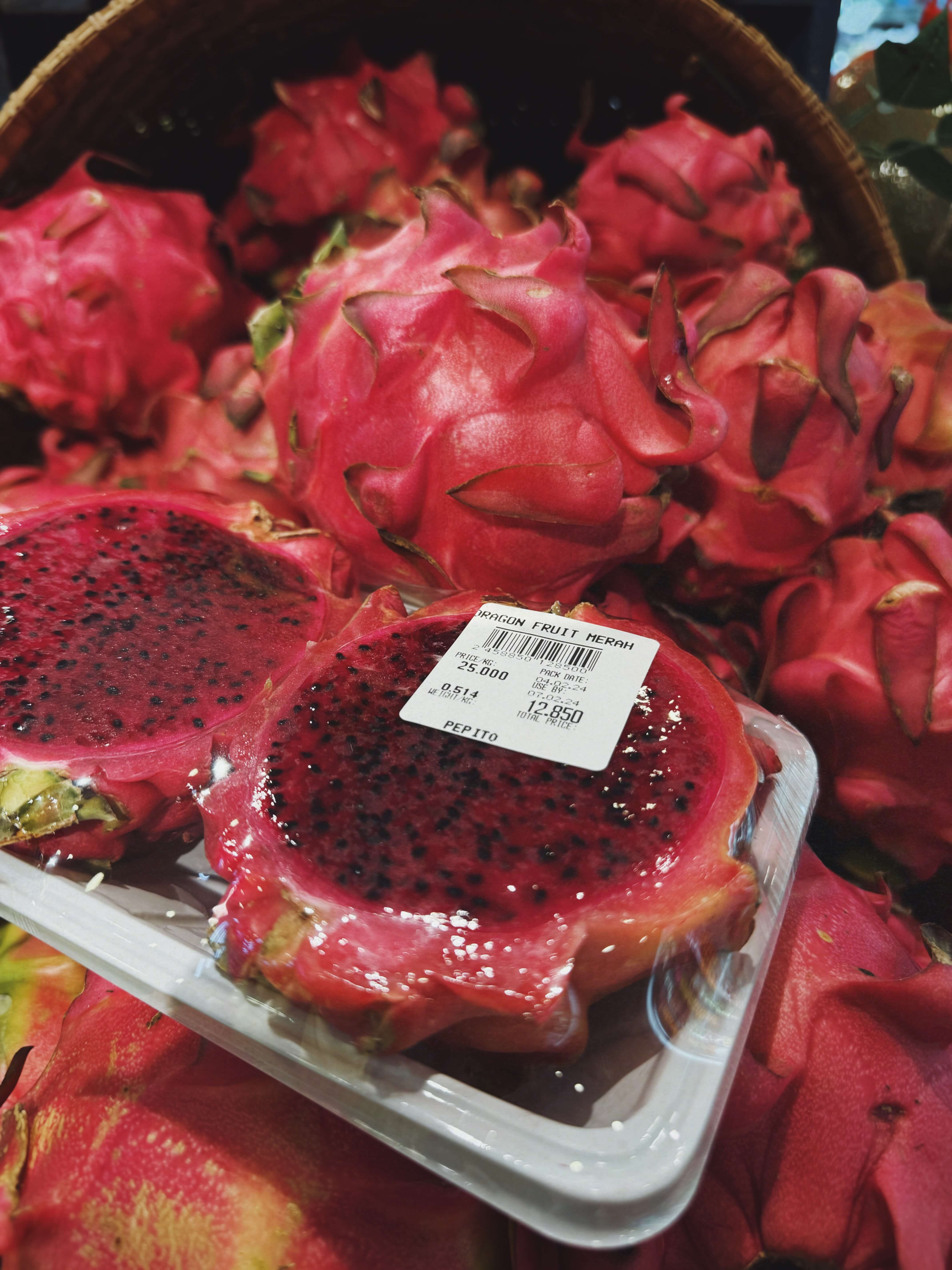
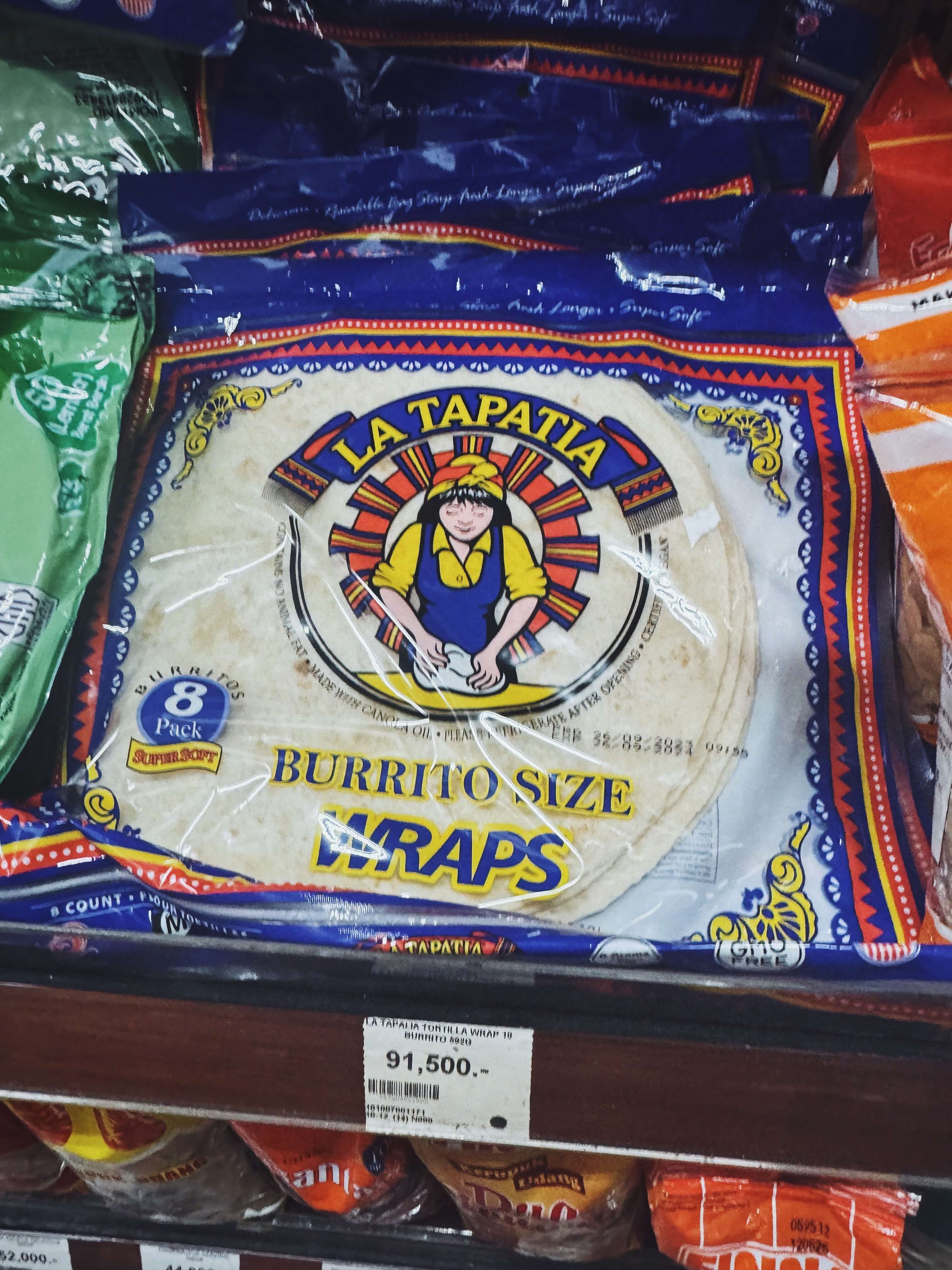
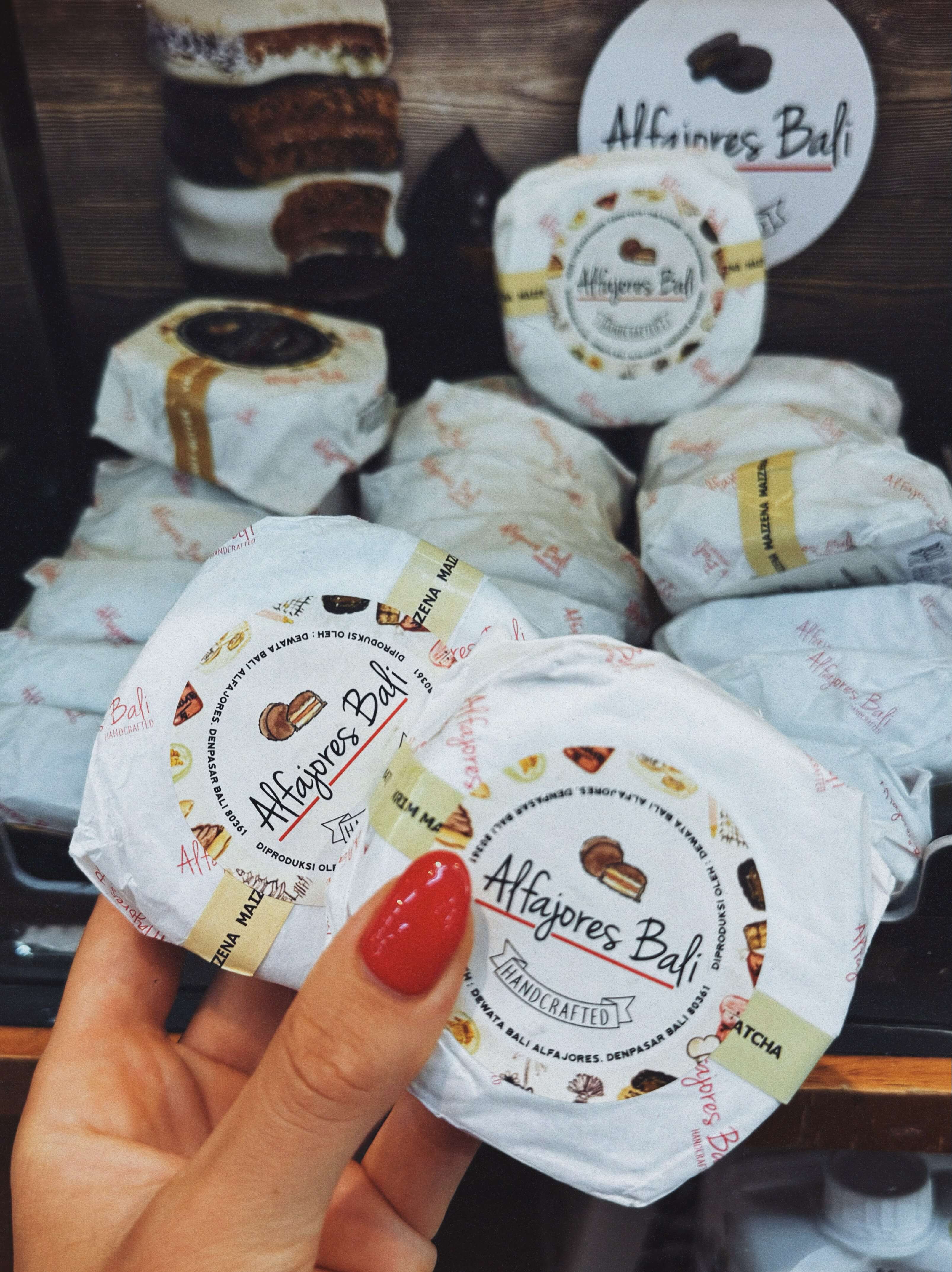
made in Bali / 2 $
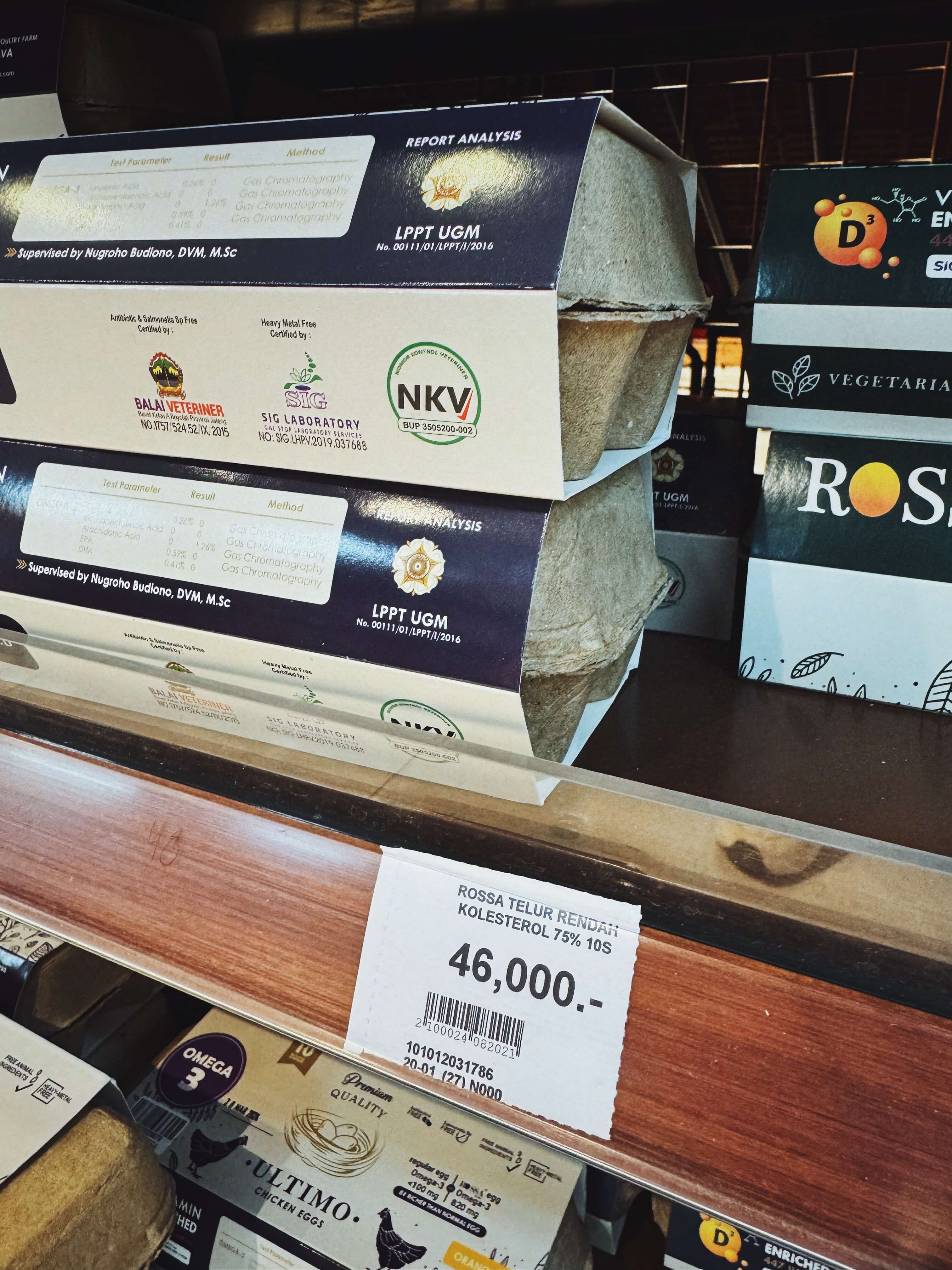
eggs / х 10 / 3 $
Market, local shops
Buying fruit and produce at the market will cost you two or even three times less than in a store! And the market is more colorful, so we would advise you to choose this option for shopping.
Let’s look at the difference in price using the example of papaya. A papaya of the same size in the market is 22,000 IDR ≈ 2 $, and in the market is 14,000 IDR ≈ 1 $. The difference is twice as much, but everyone chooses where they feel more comfortable shopping. One of the popular trusted outlets in Canggu with fruits, vegetables, and other basic products Guna N Buah.
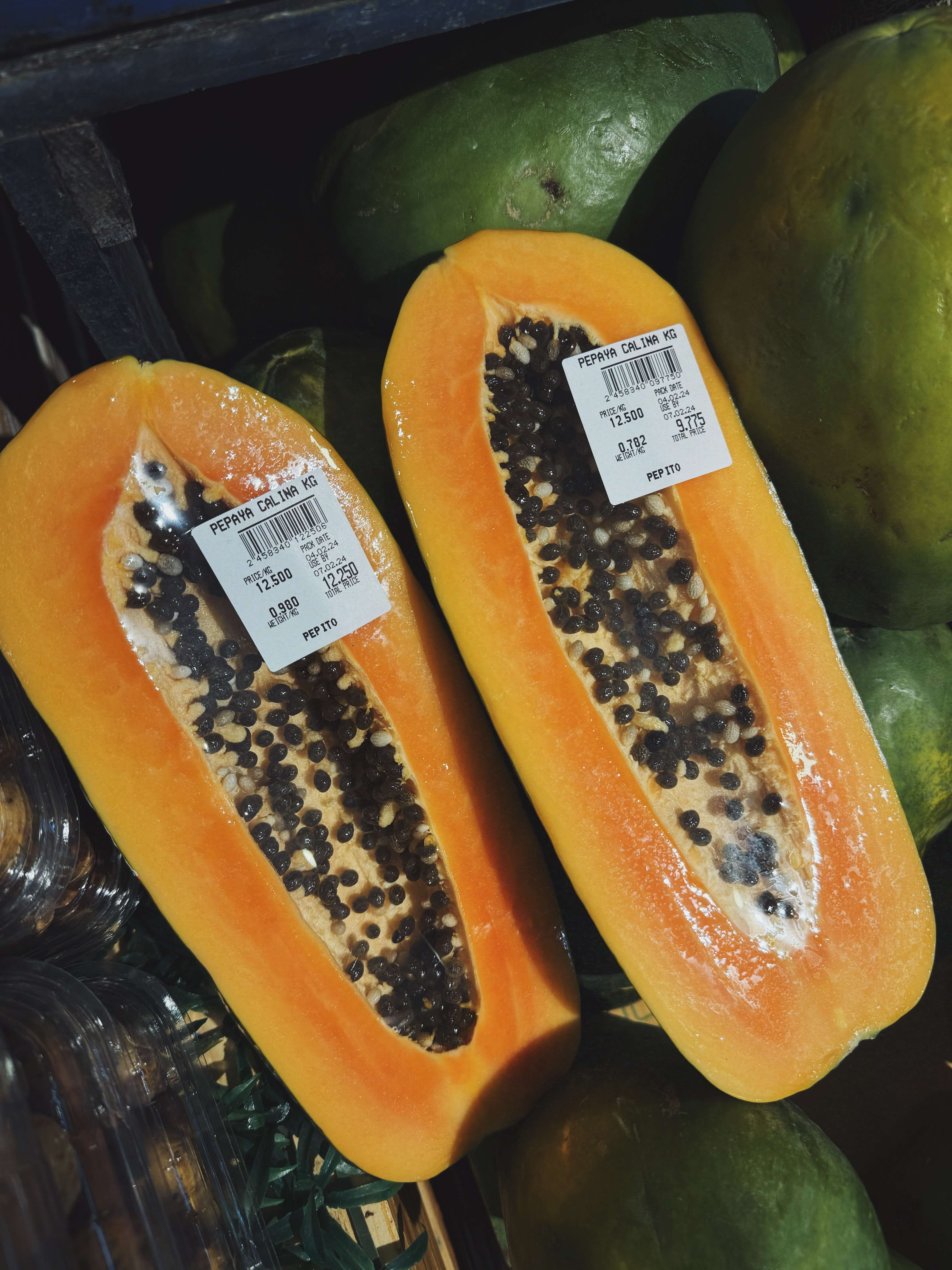
Papaya (half) / 0.7 $
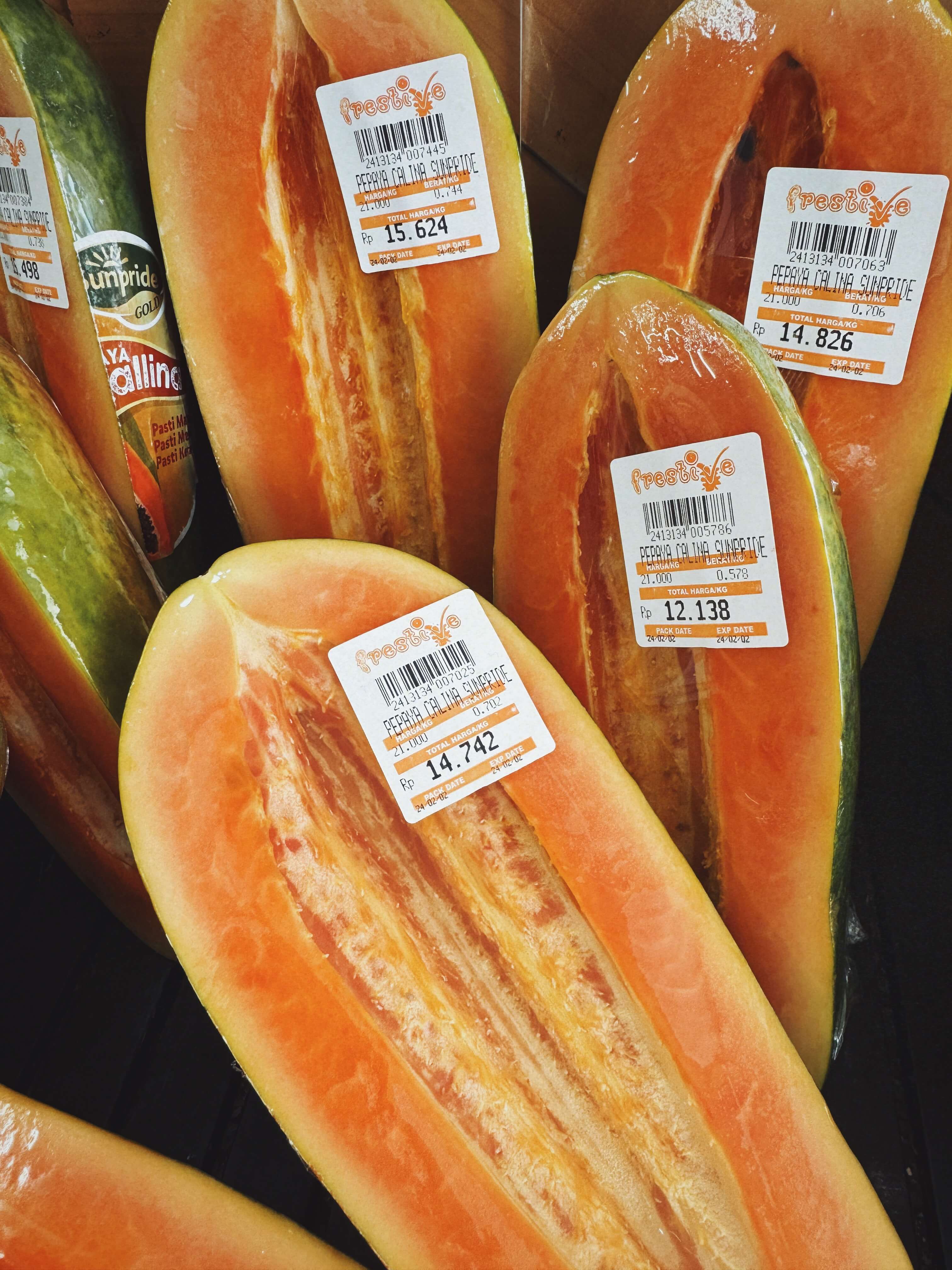
Papaya (half) / 0.8 $
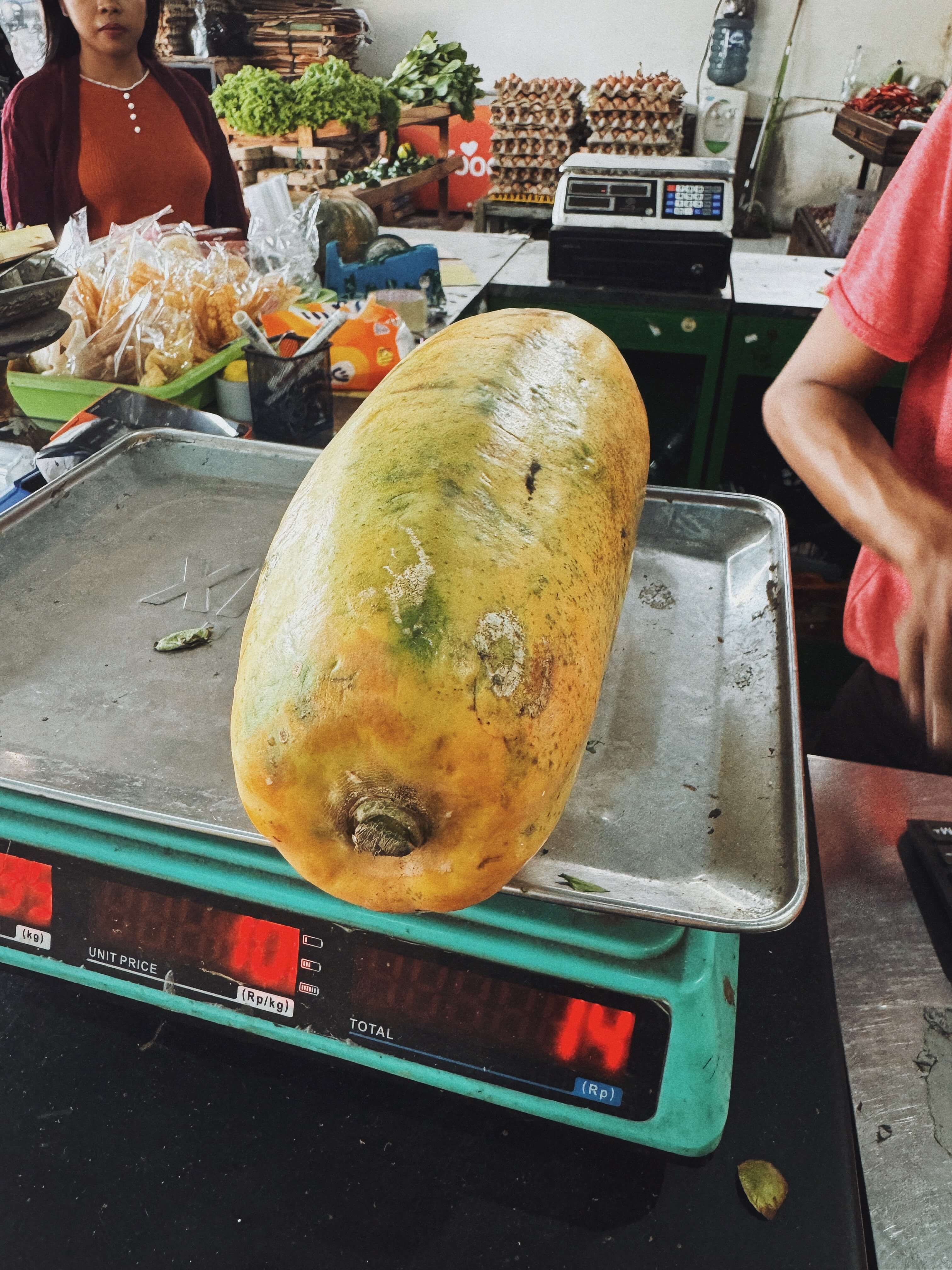
Papaya (whole) / 0.8 $
Local kiosks
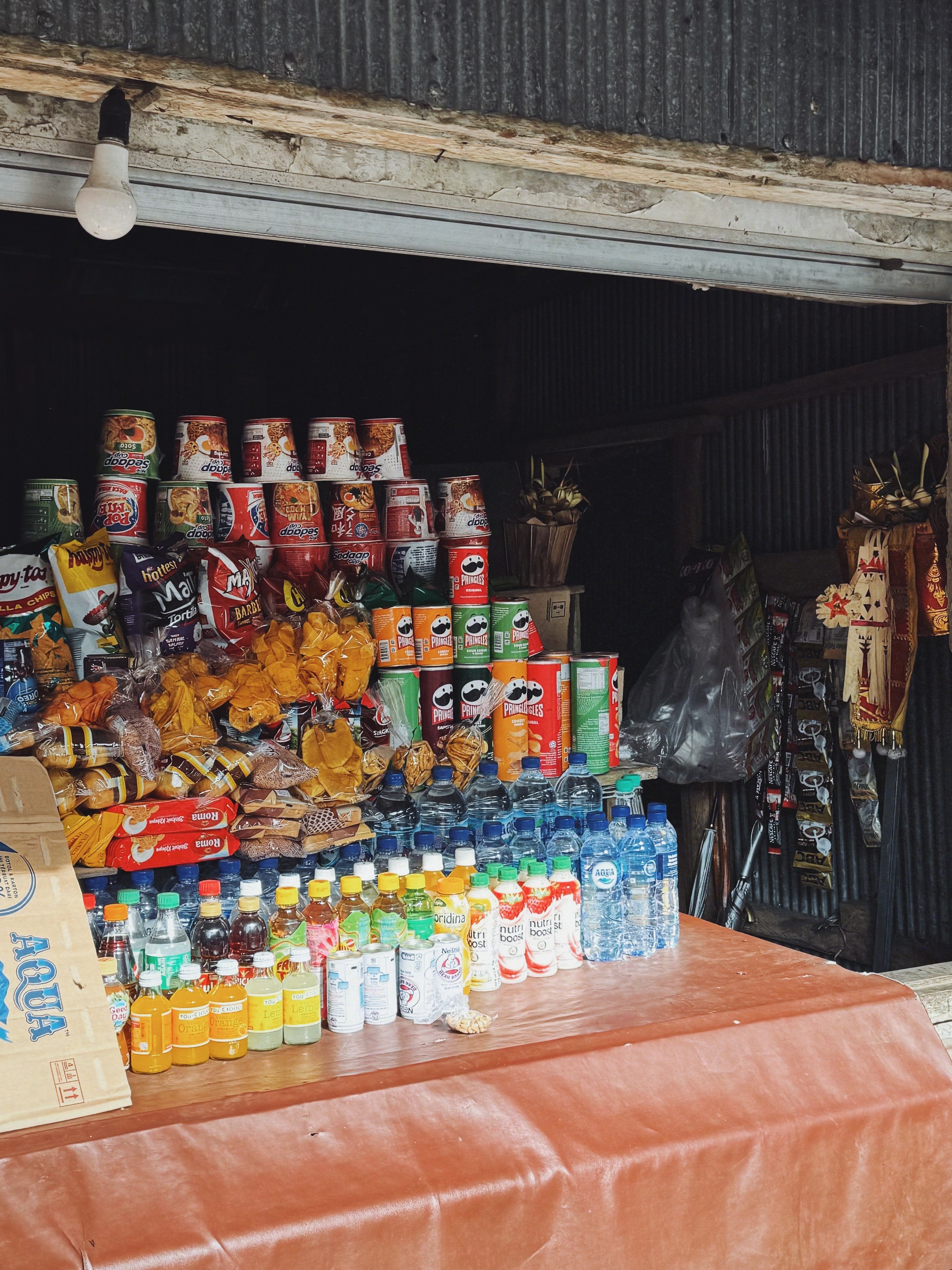
Also, typical Balinese kiosks or small shops are often found in Bali. These shops are located on almost every street and seem to have everything you need, from bottled water and gas cylinders to toys and sweets. They differ from European markets primarily in the large number of products in packs that hang chaotically on top of each other. Mostly, these are some kind of chips, coffee in bags, rice products, cookies, and local sweets. In truth, it looks strange and not very attractive to visitors.
Calculation
In small local shops, you can only pay in cash. In larger markets, you can pay by card. There are also fruit shops near busy roads where tourists come. The word “tourists” is key in this phrase. There are many such shops on the road to Kintamani and the road to Tanah Lot temple. But you need to be vigilant because the seller is waiting for tourists who do not know the prices, who will be in a hurry, not counting money and keeping an eye on prices. Buy fruits in such places, if you know the prices of fruits and vegetables in Bali and are ready to bargain, do not hesitate and you will be able to reduce the price by half or even more.
If you live in a non-touristy area and don’t know where to buy fruit, ask the locals where to find a “pasar local” (local market) or “pasar pagi” (morning market). They will be happy to tell you how to get there.
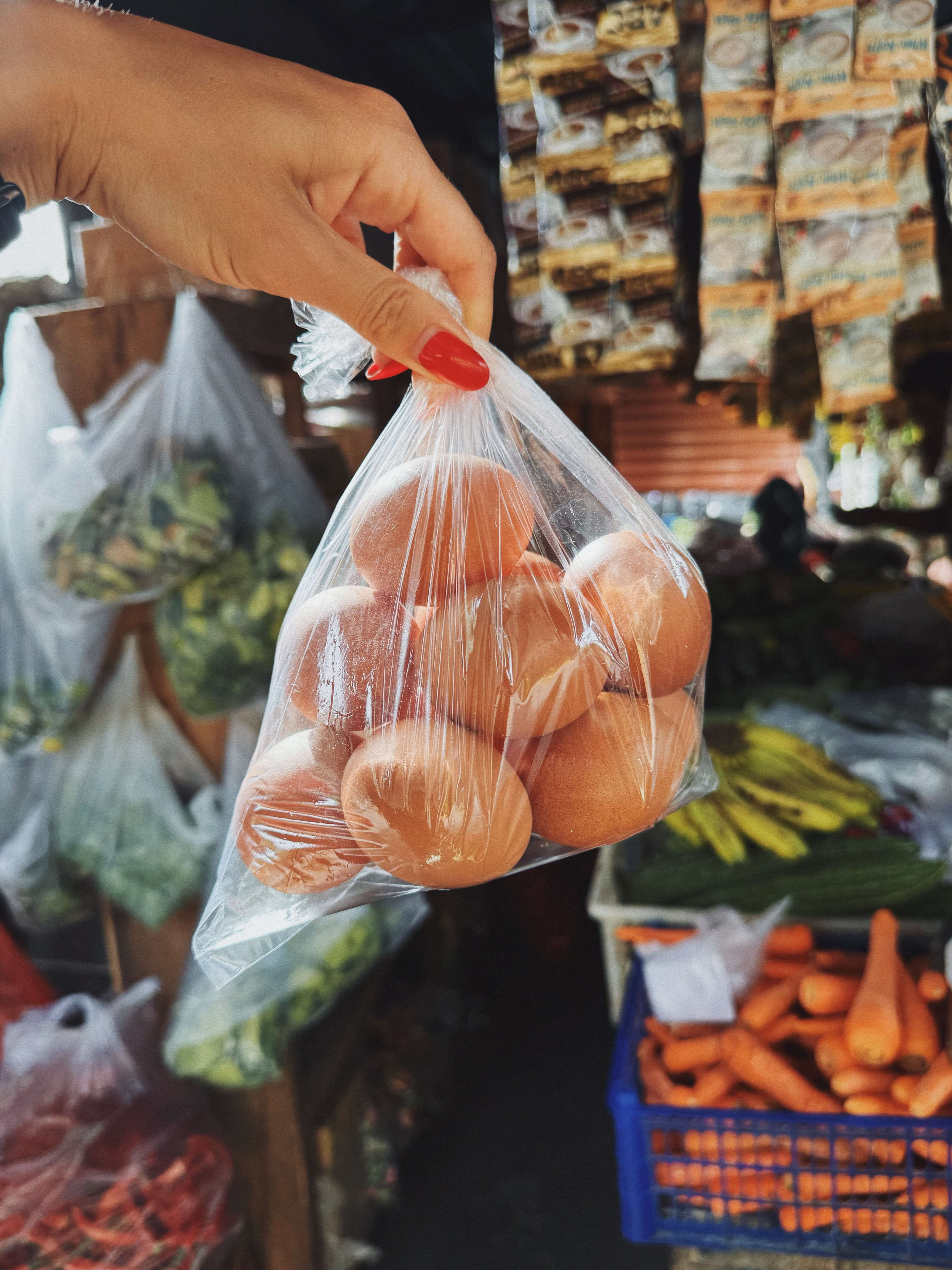
eggs / Х10 / 1.3 $

📍Guna N Buah
Fruits and interesting dishes of Bali
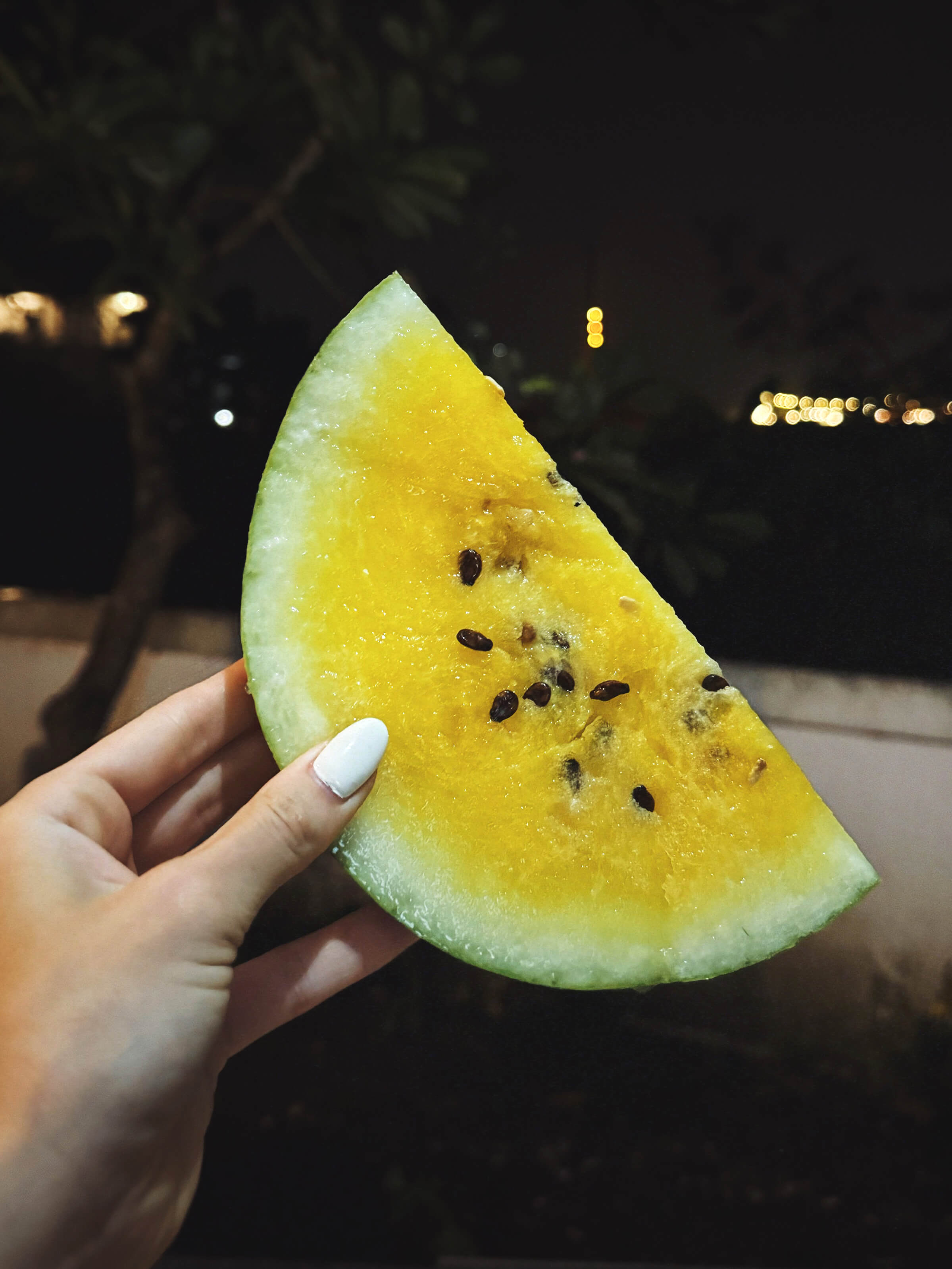
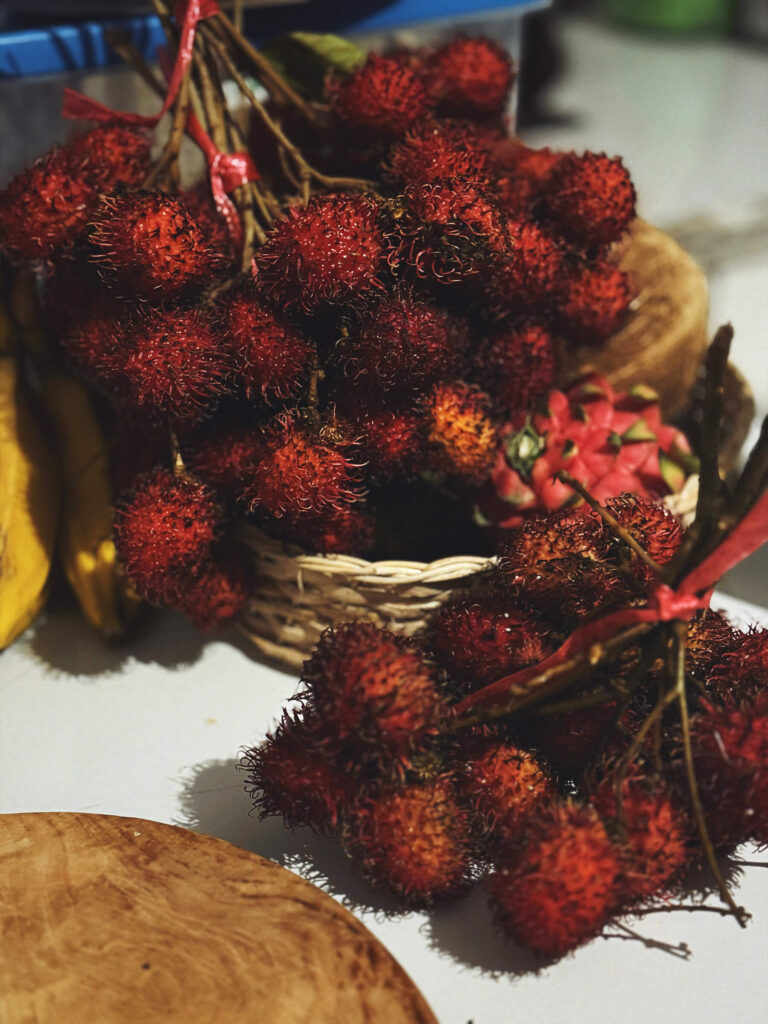
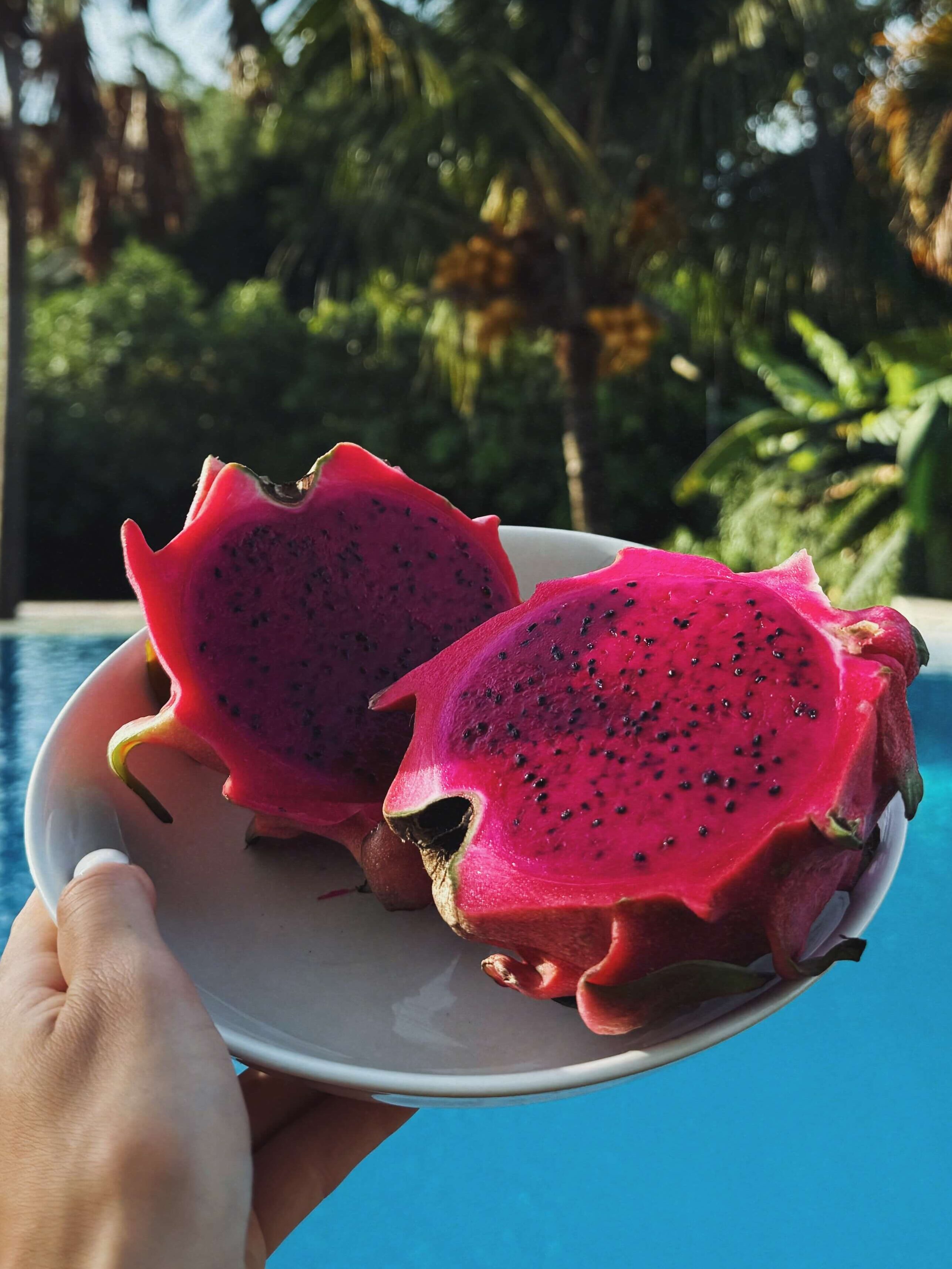
The most interesting and unusual thing about the island for us is the local fruit. Tasting a variety of fruits in Bali is a mandatory part of a trip to the island. Mangoes, pitahaya (dragon fruit), papaya, passion fruit, rambutan, mangosteen, jackfruit, coconut, small bananas, yellow watermelon, durian and much more. For us, it’s exotic, but here it’s a familiar fruit with reasonable prices. All of them are interesting in shape, color, and texture and are a staple of Indonesian cuisine. The price may vary, as most fruits have in-season and out-of-season periods.
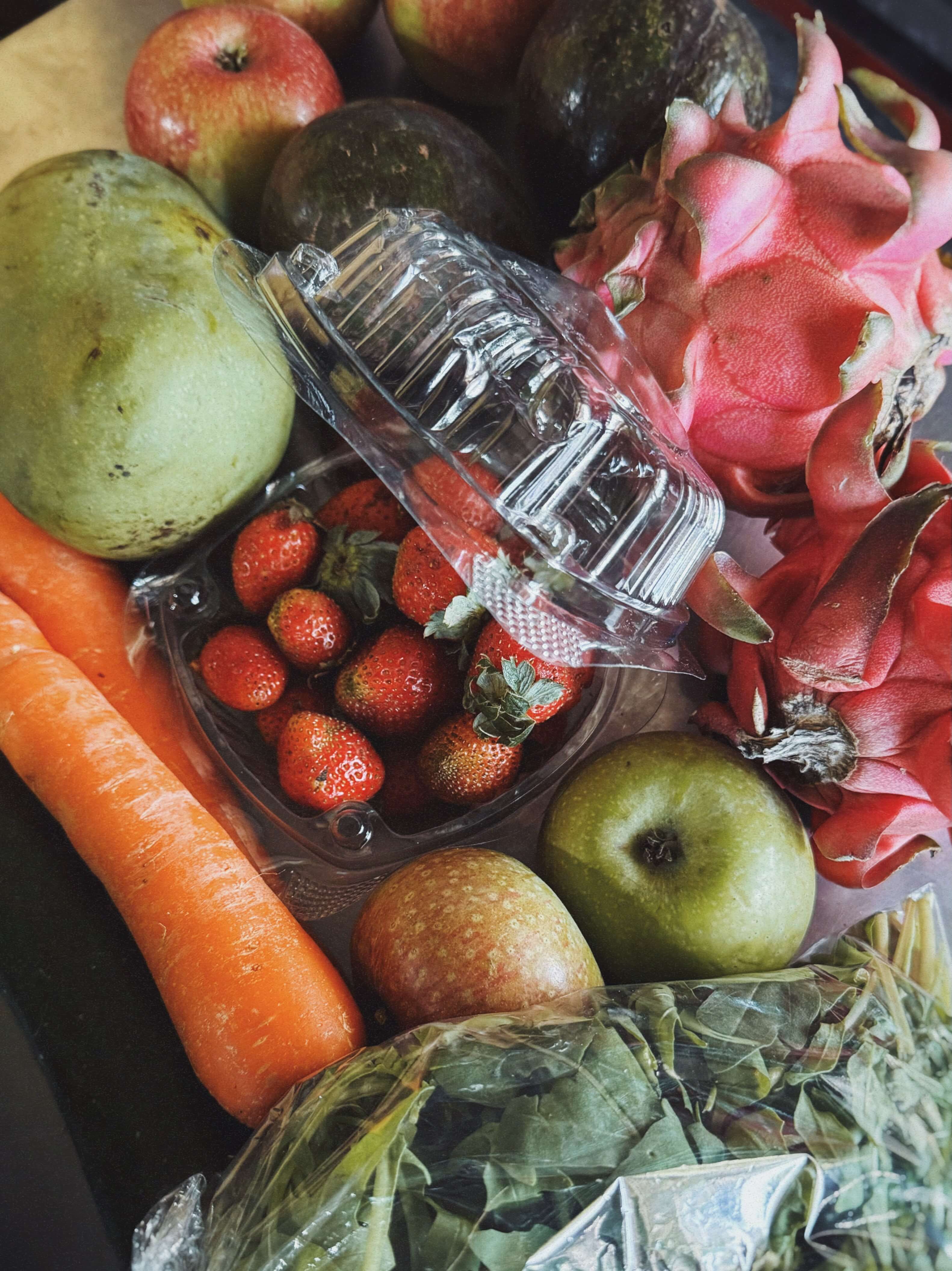
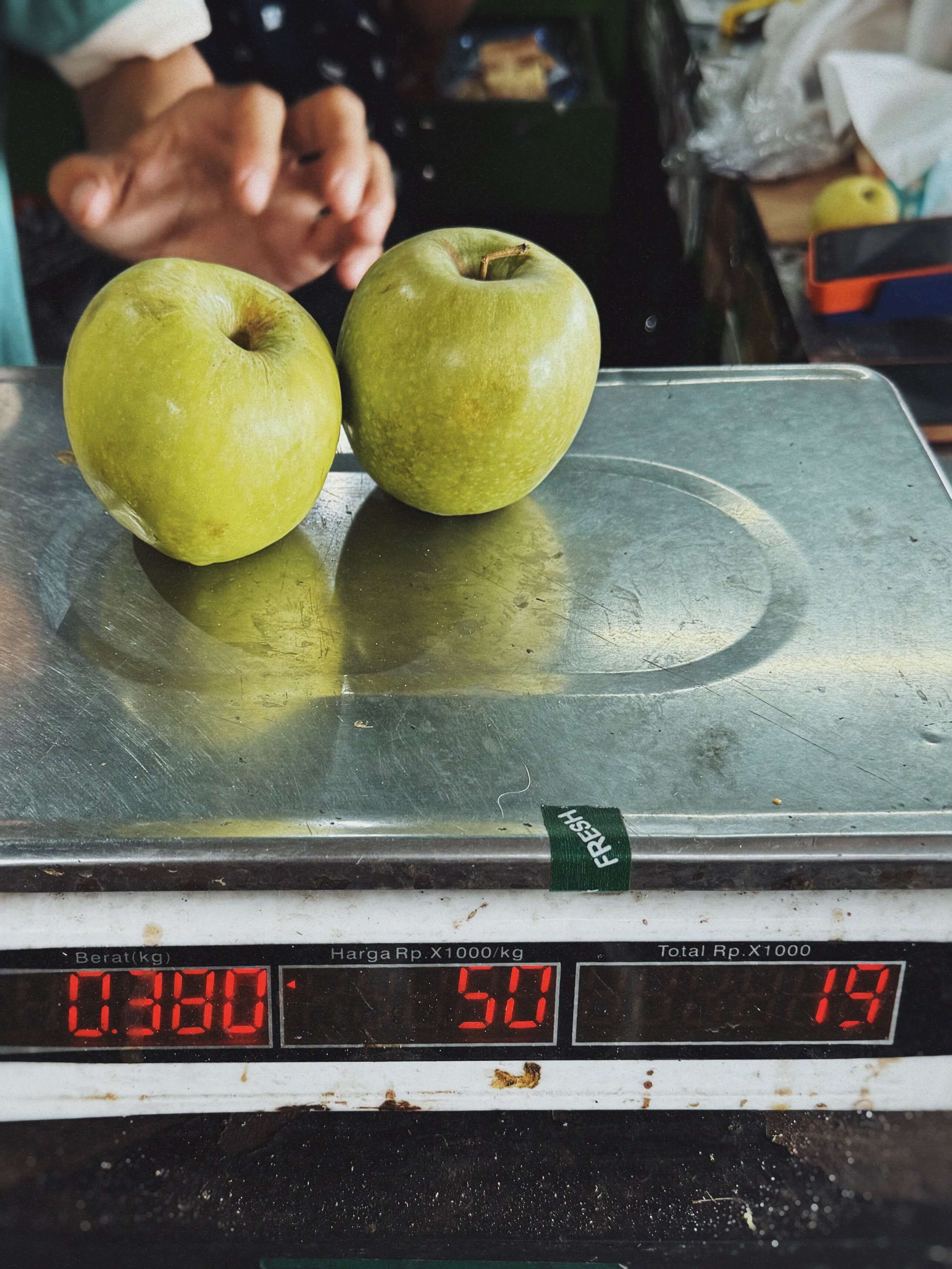
not a local fruit
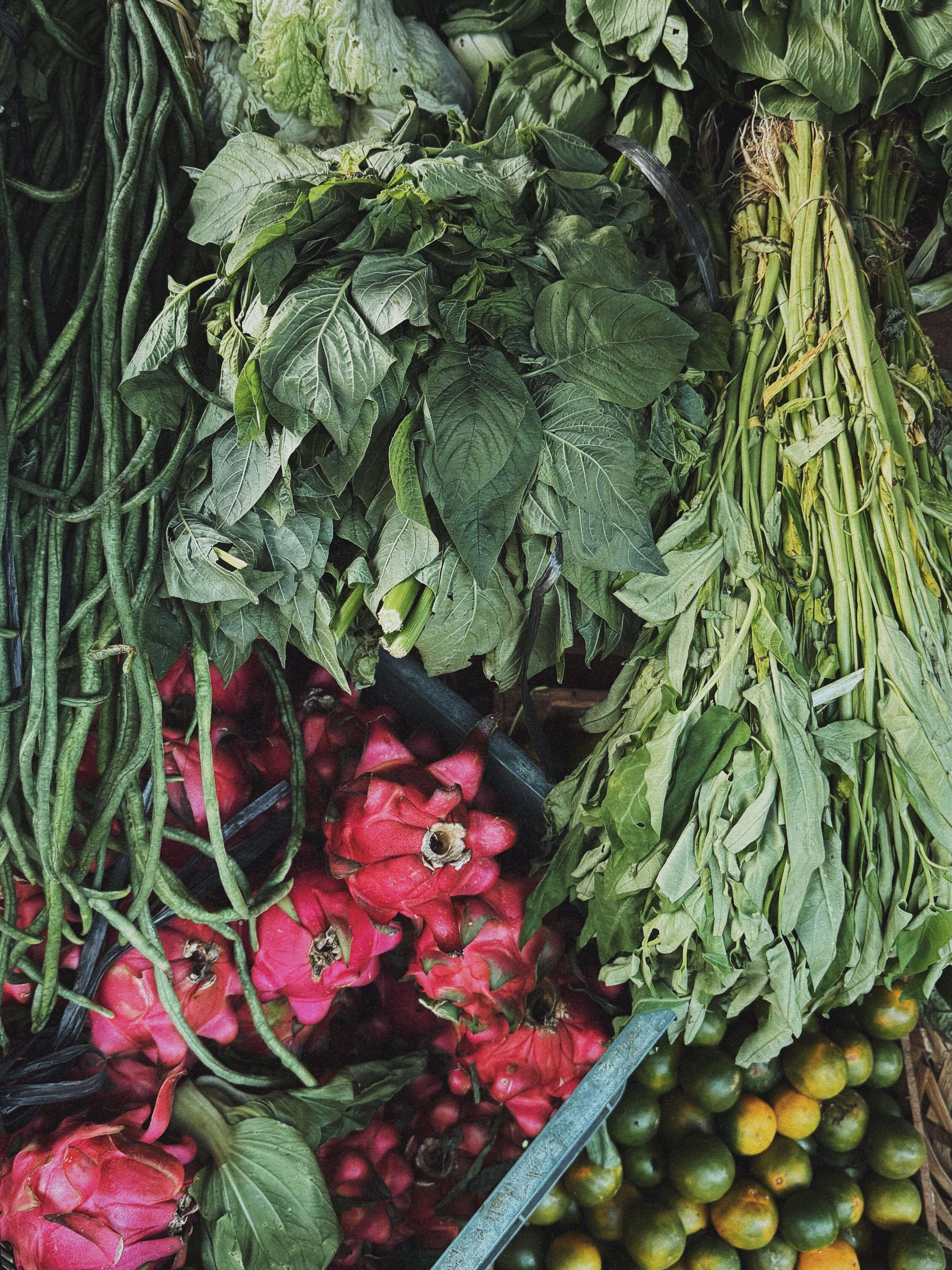
All fruits are interesting and unique in their way. Let’s take a closer look at each one:
- Mango is perhaps the most favorite tropical fruit among tourists and no wonder. It is extremely tasty here and much more affordable than elsewhere. There are dozens of varieties that vary greatly in taste. Most often they are sweet, but they have flavors of different shades: from honey to ginger. Mangoes are harvested twice a year, in winter and summer. Mangoes cost 0.5 $ in season, 5 times more expensive out of season.
- Mangosteen is one of the favorite and unexpected fruits in Bali. These are small fruits with a diameter of about 8 cm covered with a thick burgundy-purple skin, inside of which is a very juicy white flesh, divided into 5 to 8 parts, which may contain large seeds. The inside looks like a head of garlic. The fruit has a very pleasant creamy flavor, sweet and slightly tart at the same time. The average price is 1 $ / kg.
- Rambutan means “hair” in Indonesian because the fruit itself resembles small hairy balls. The fruits grow in large clusters, which turn bright red when ripe. The flesh is white, very fragrant, sweet, and sour in taste. The price in season is $0.5, out of season it is 5 times more expensive.
- Durian is the most mysterious and exotic fruit that every tourist considers it their duty to try, but not everyone dares. Durian is known for its frankly rotten, unpleasant odor, so much so that it is strictly forbidden to bring it into a hotel, let alone on board an airplane. It is considered a delicacy, an aphrodisiac, and the true king of Balinese fruits. A cloying smell, delicate oily texture, and pleasant taste, a combination of incongruous things are the main characteristics of this fruit. Its unusual flavor is a mixture of nuts, cheese, custard, pineapple, banana, papaya, mango, and vanilla. You either like durian very much or not at all, there are no intermediate options. The average price is 2 $ / kg.
- Dragon fruit (pitahaya, pitaya) is a very attractive fruit that looks like a flame, with a sweetish water flavor, growing on cactus bushes. It is mostly found with a barely perceptible flavor. Only the flesh with small seeds inside is edible. A kilogram of pitaya costs 1.5-2 $.
- Papaya is an orange fruit, sometimes with a greenish tinge, with pinkish-orange or golden flesh and seeds that can be easily removed with the skin. It tastes a bit like sweet carrots. Only a third of this fruit provides the body with the necessary amount of iron and calcium and also contains the daily norm of vitamin C for an adult. Papaya is very similar to a melon, both in appearance and chemical composition and inside a pumpkin, only the seeds are round and dark. The average price is 0.25 $ / kg.
- Salak (Snake fruit, Salak) Fruits are oval or pear-shaped, covered with scaly brown skin that resembles snake skin. The beige flesh consists of one or more segments. The pleasant fresh taste of the fruit is reminiscent of pineapple and banana with a slight nutty flavor. To peel the fruit, it is enough to carefully cut or tear the scaly skin near the edge and remove it like an eggshell. The average price is 2 – 3 $ / kg.
- Passion fruit (Markisa) is a yellow or purple fruit with a hard surface. Inside are seeds, the yellow shell of which has a sour taste and a special flavor. This fruit improves intestinal function and is an antipyretic and tonic. The average price is 2 – 3 $ / kg.
- Yellow watermelon is an ordinary-looking watermelon that is bright yellow inside. This watermelon is the result of a cross between a yellow wild watermelon and a more familiar red one. Despite its origin, yellow watermelon, like regular watermelon, is full of vitamins. Yellow watermelons are often sweeter than red ones. Red watermelons start from 0.4 $, yellow ones are more expensive – from 0.7 $.
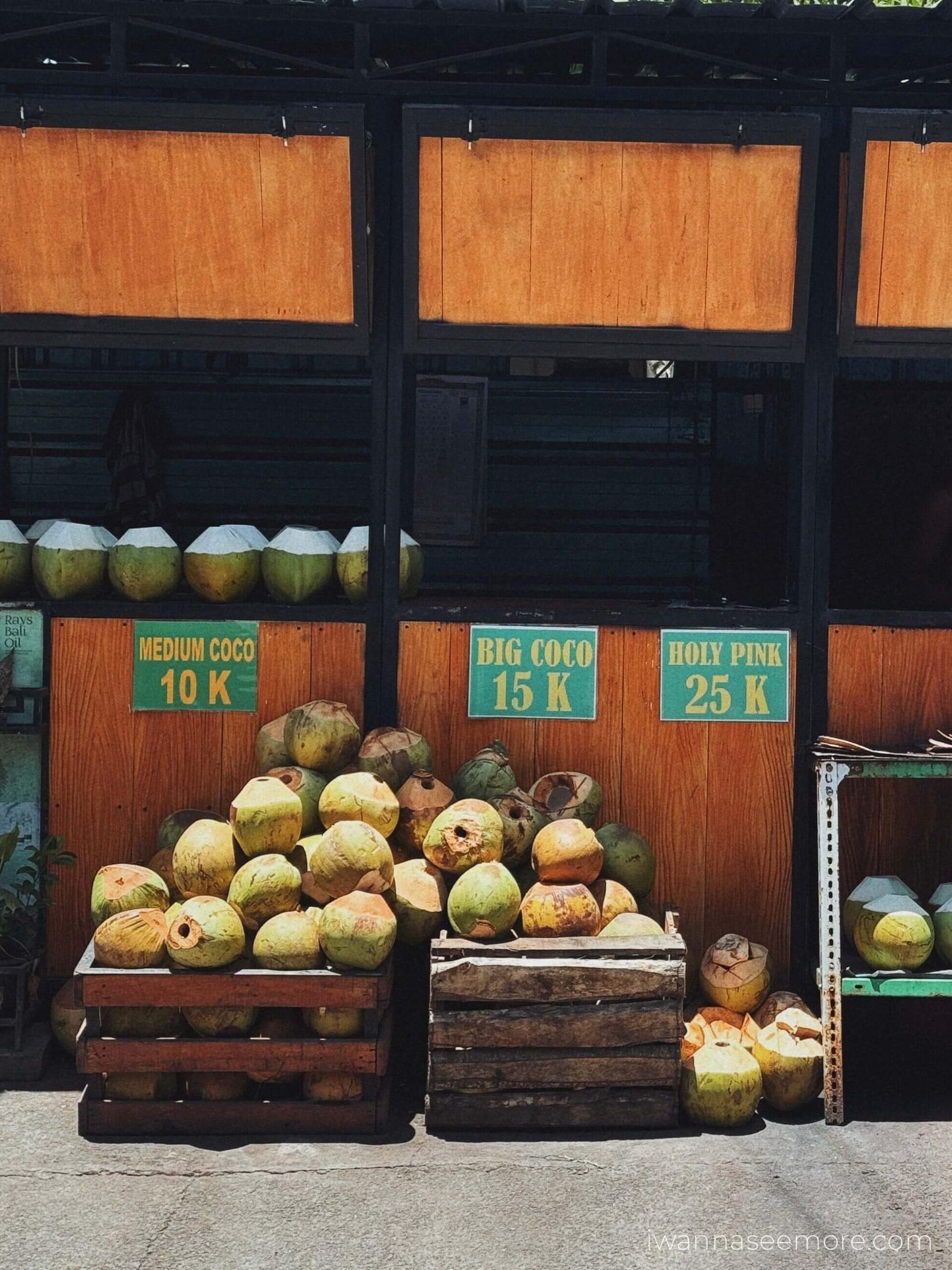
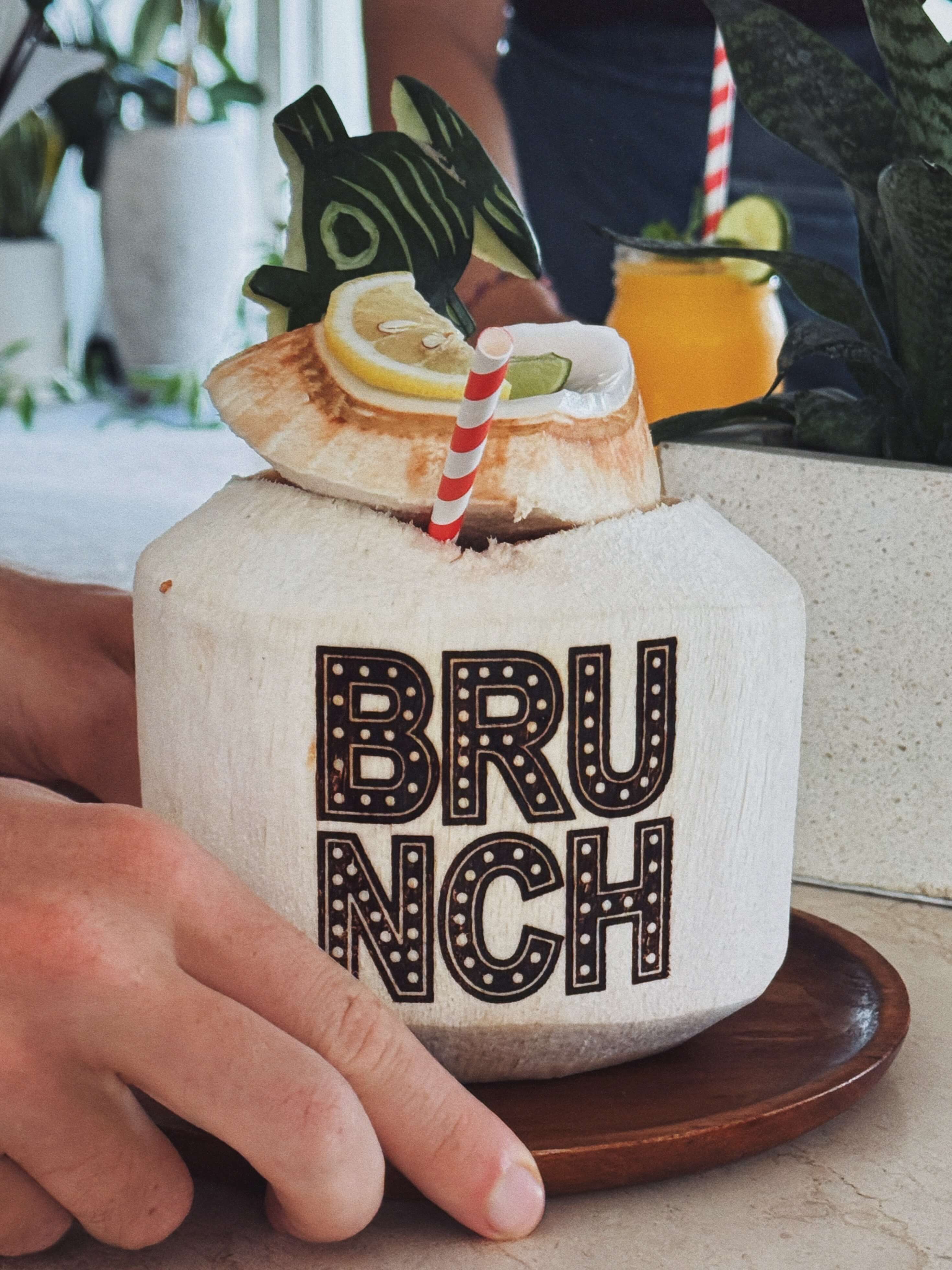
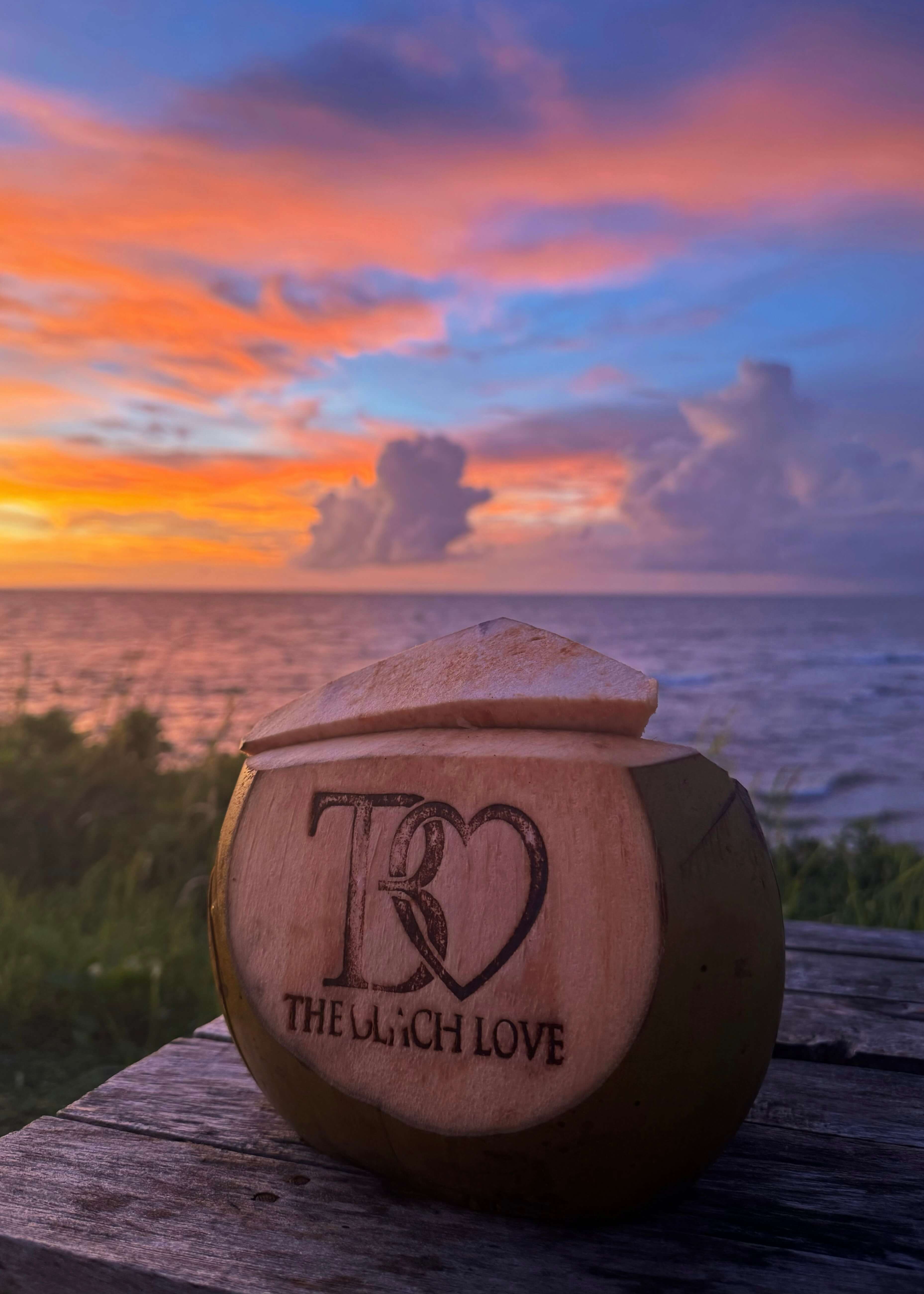
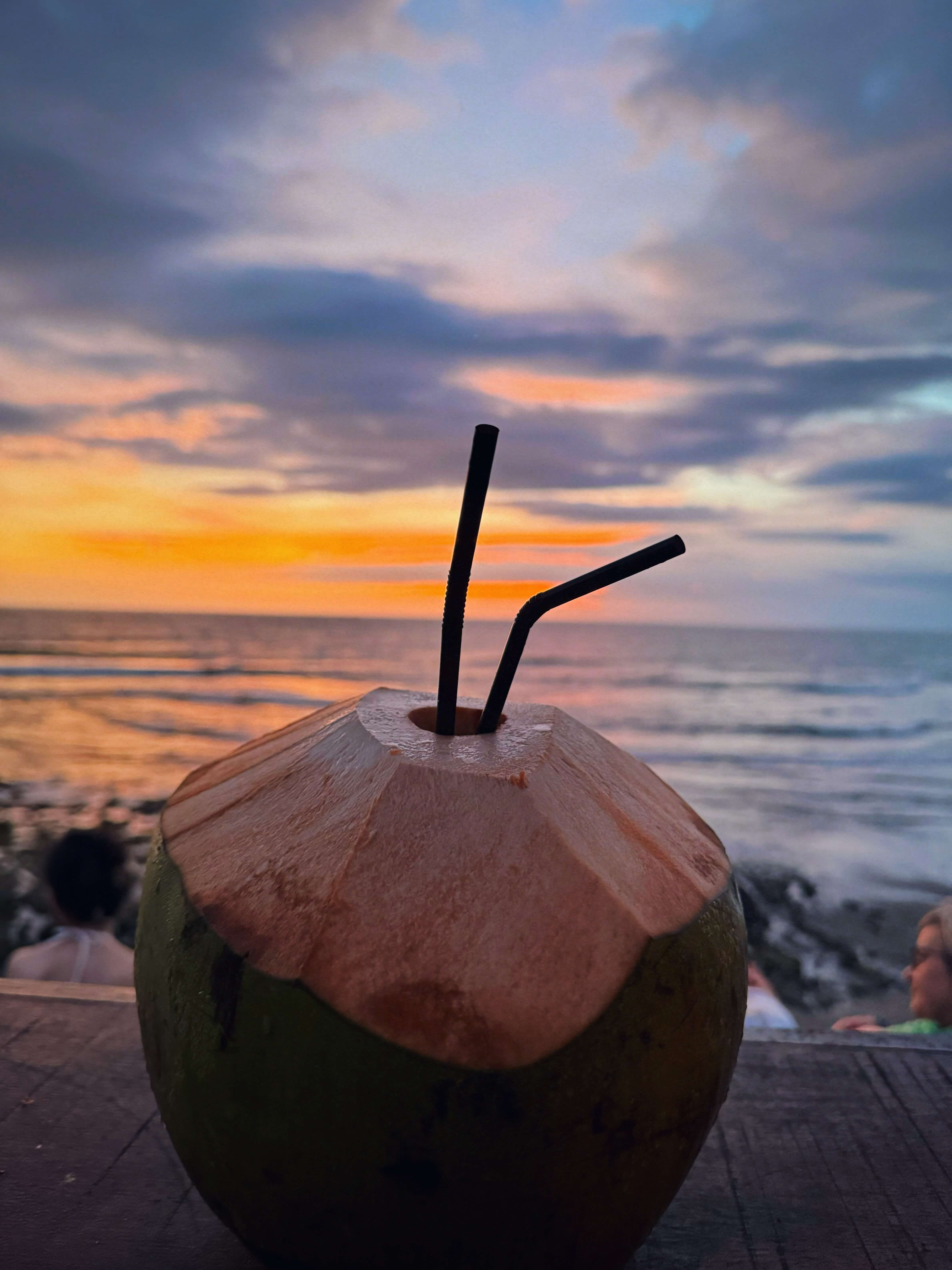
Coconut is another fruit that I would like to highlight. It is the hallmark of Indonesia. The country is the largest producer, consumer, and exporter of coconuts in the world. Coconut water is a very healthy drink. Drinking a coconut at sunset is already a tradition. In almost every restaurant, you can find coconut on the menu.
We will highlight 3 places where you simply must come to admire the sunset while drinking coconut:
📍 Pantai Pererenan Warung pak adi
🥥 At such sunset points, the cost of coconut is standard – 25 000 IDR ≈ 1.5 $
🥥 In local markets and supermarkets, the price is 10 – 15 000 IDR ≈ 0.6 $
🥥 In restaurants 30 000 – 60 000 IDR ≈ 2 – 4 $

📍Guna N Buah
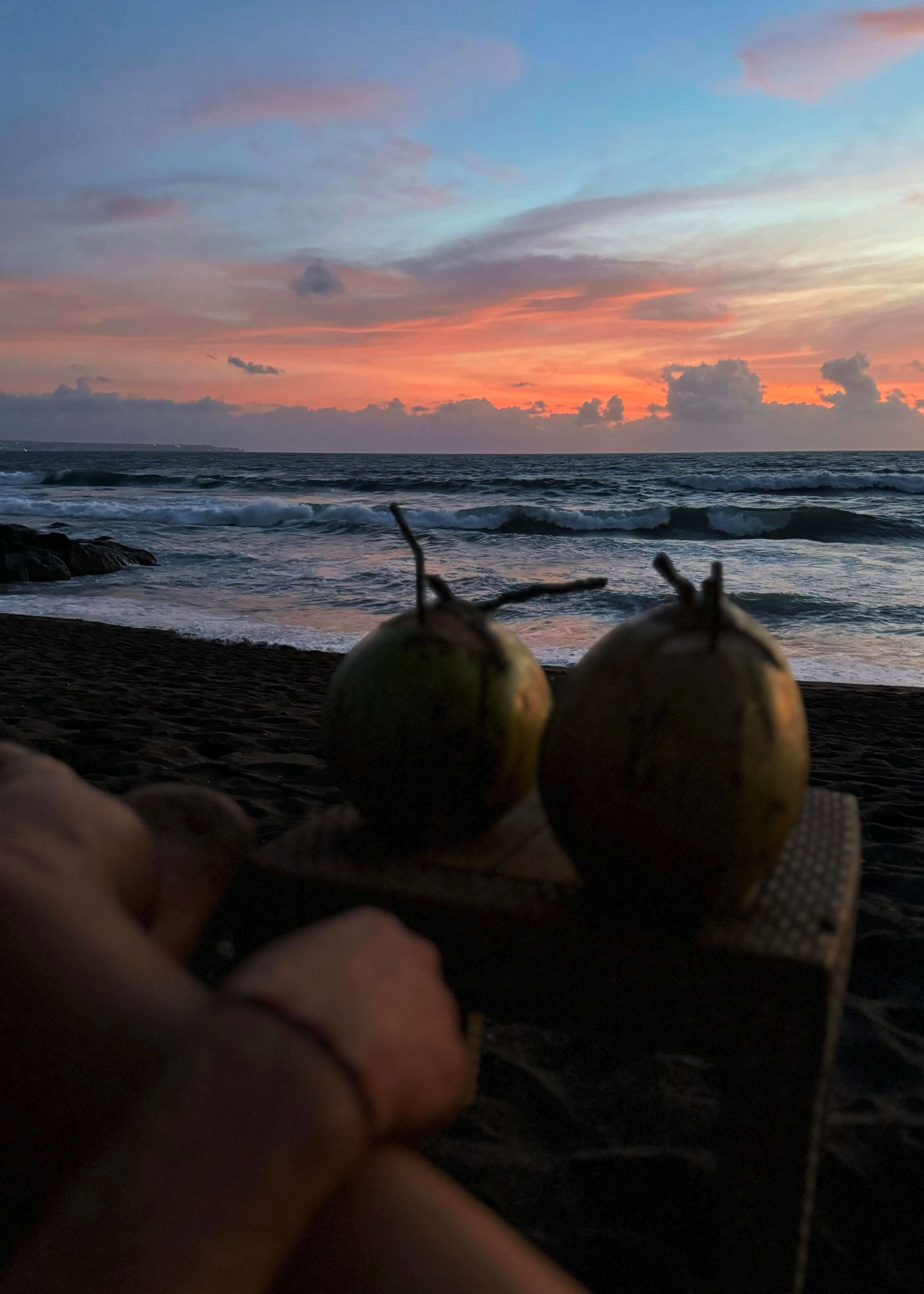
📍Warung pak adi
- Bananas. It’s no secret that Bali grows a large number of bananas. The locals have decided to diversify this product with different cooking methods, which results in several popular dishes:
- Fried banana (Pisang goreng) is a very popular dish in Indonesia. It’s no coincidence that it’s not only cheap but also surprisingly tasty. In general, people here love delicacies fried in a lot of oil, including fried bananas. Indonesians mostly consume it for dessert or as a snack, drizzled with a little honey or sugar syrup.
- Boiled banana tastes and feels like boiled potatoes, or even closer to roasted chestnuts. We thought it was the strangest variation of banana and frankly not the most successful.
- Banana cake is a traditional Nagasari cake made from rice flour, coconut milk, and sugar-filled with banana slices. Nagasari is usually wrapped in banana leaves before being steamed. A pandan leaf is often added to add flavor.
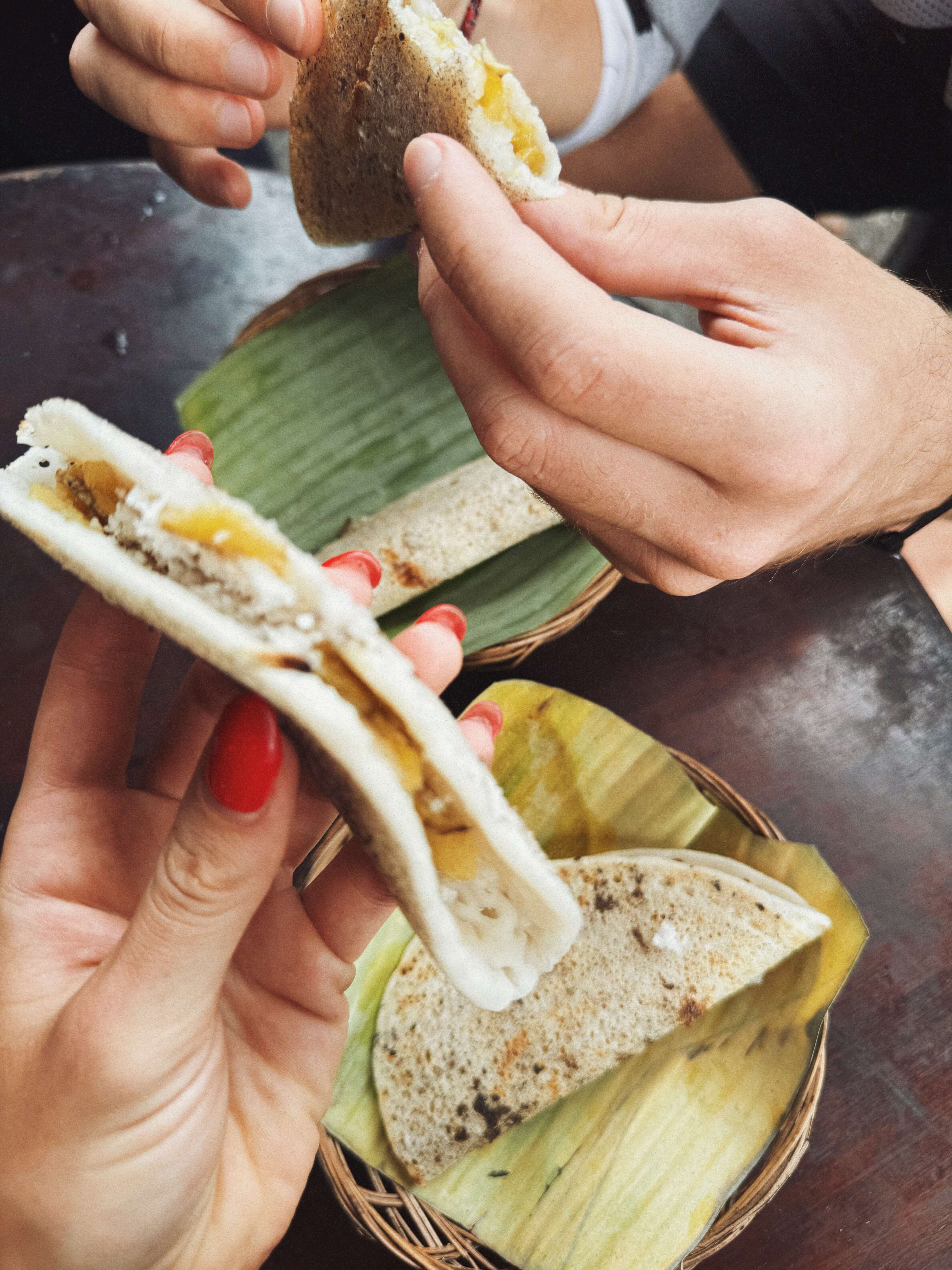
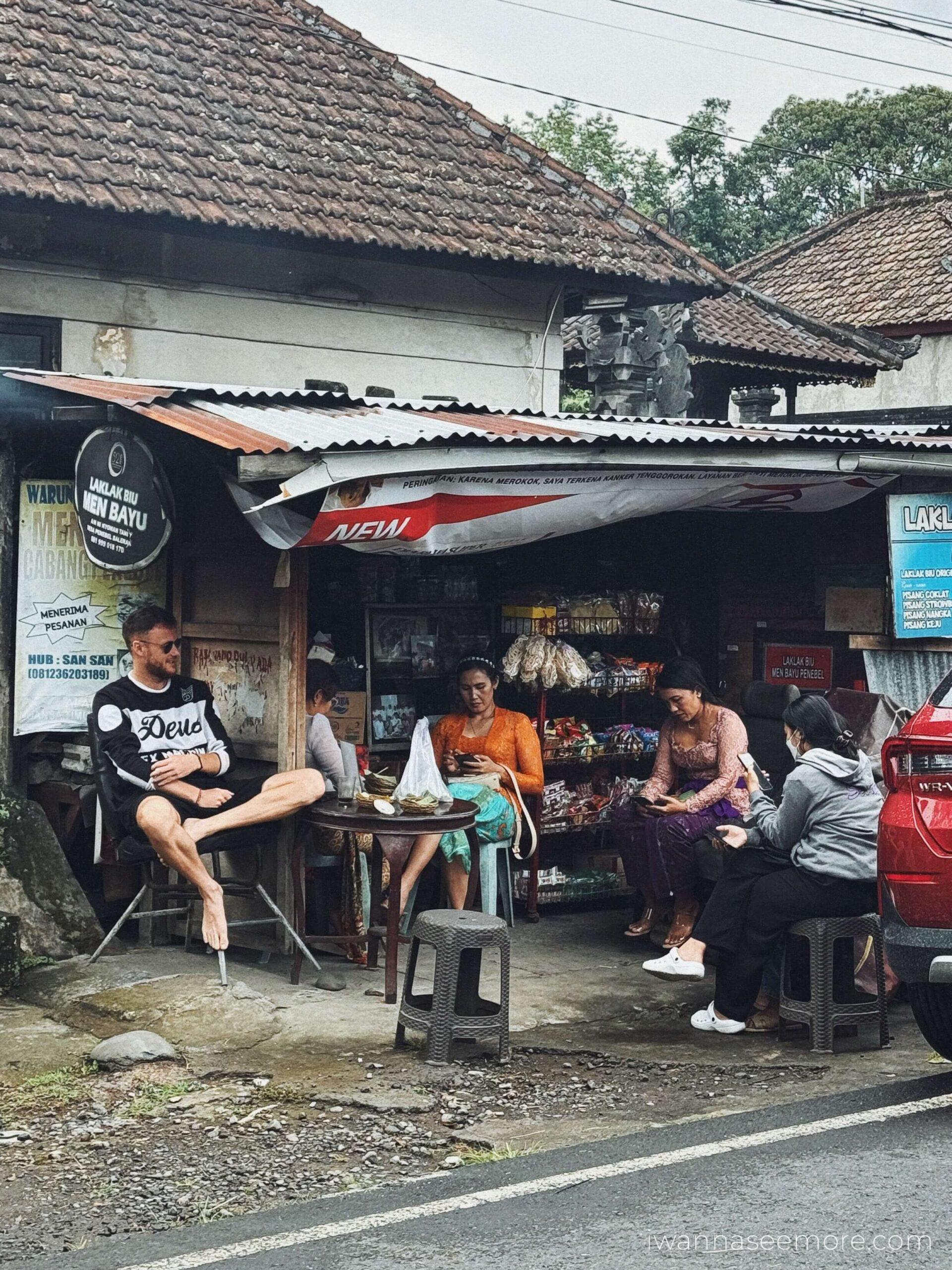
- Laklak is another traditional Balinese dessert that I would like to mention. It is a pancake made of rice flour, with coconut, syrup, and banana. You can find them at local specialty stalls, and we found one of them. The most authentic one, where they cook what the locals say is “the best Laklak in Bali”. It is a simple traditional roadside stall owned by an old couple who have been selling laklak for 15 years. Every day, in the same place, they make the same dessert, the old-fashioned way over a fire. The menu includes only laklak and Balinese coffee from a thermos. This culinary snack is in great demand among the locals. “Luckily, it’s still for sale now, and we make this Laklak every day,” says the owner. We waited in line for about an hour to try what it was. No flavor boom, but very authentic and colorful. We saved the location in our gastronomic guide to Bali. Selamat makan.
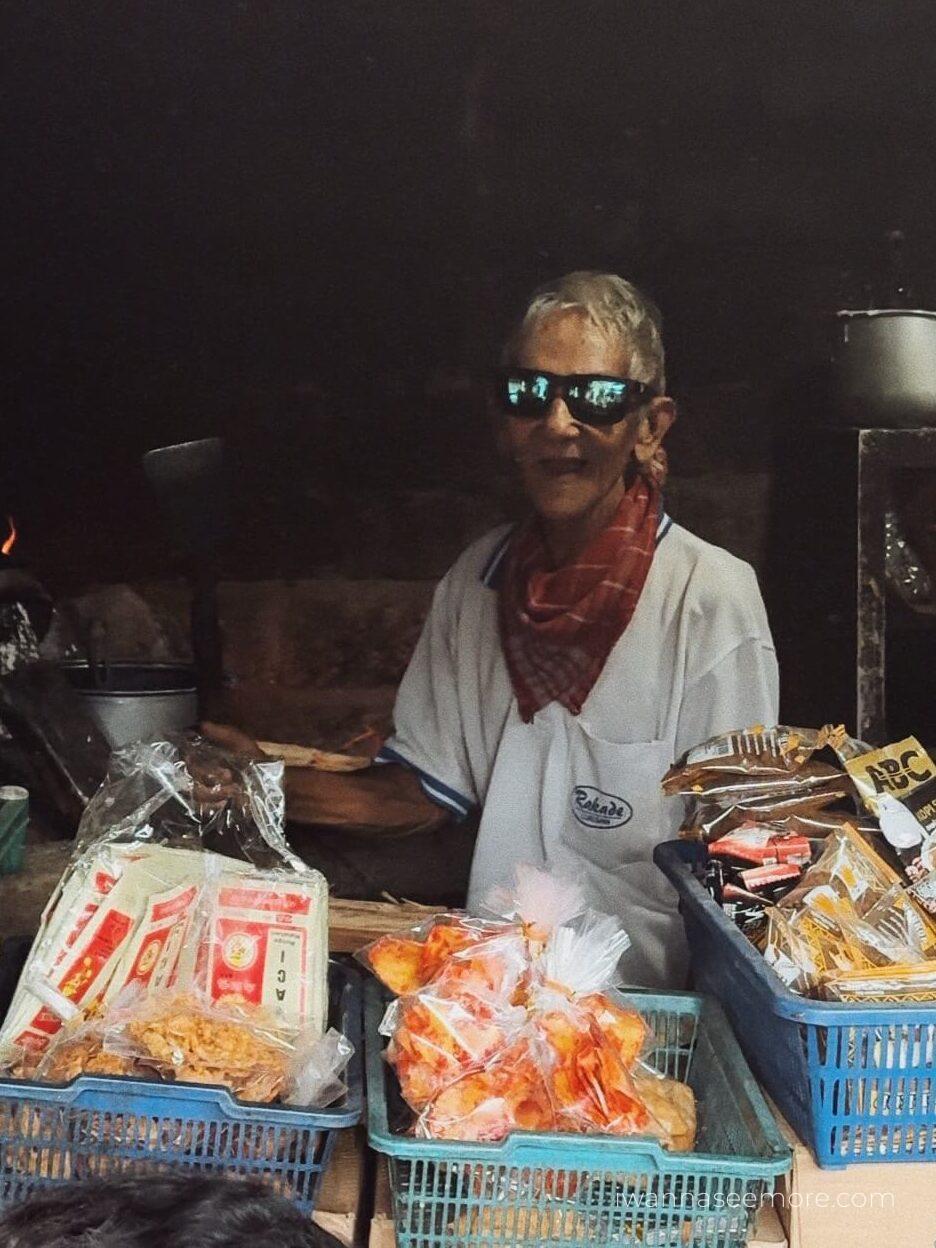
(famous men here)
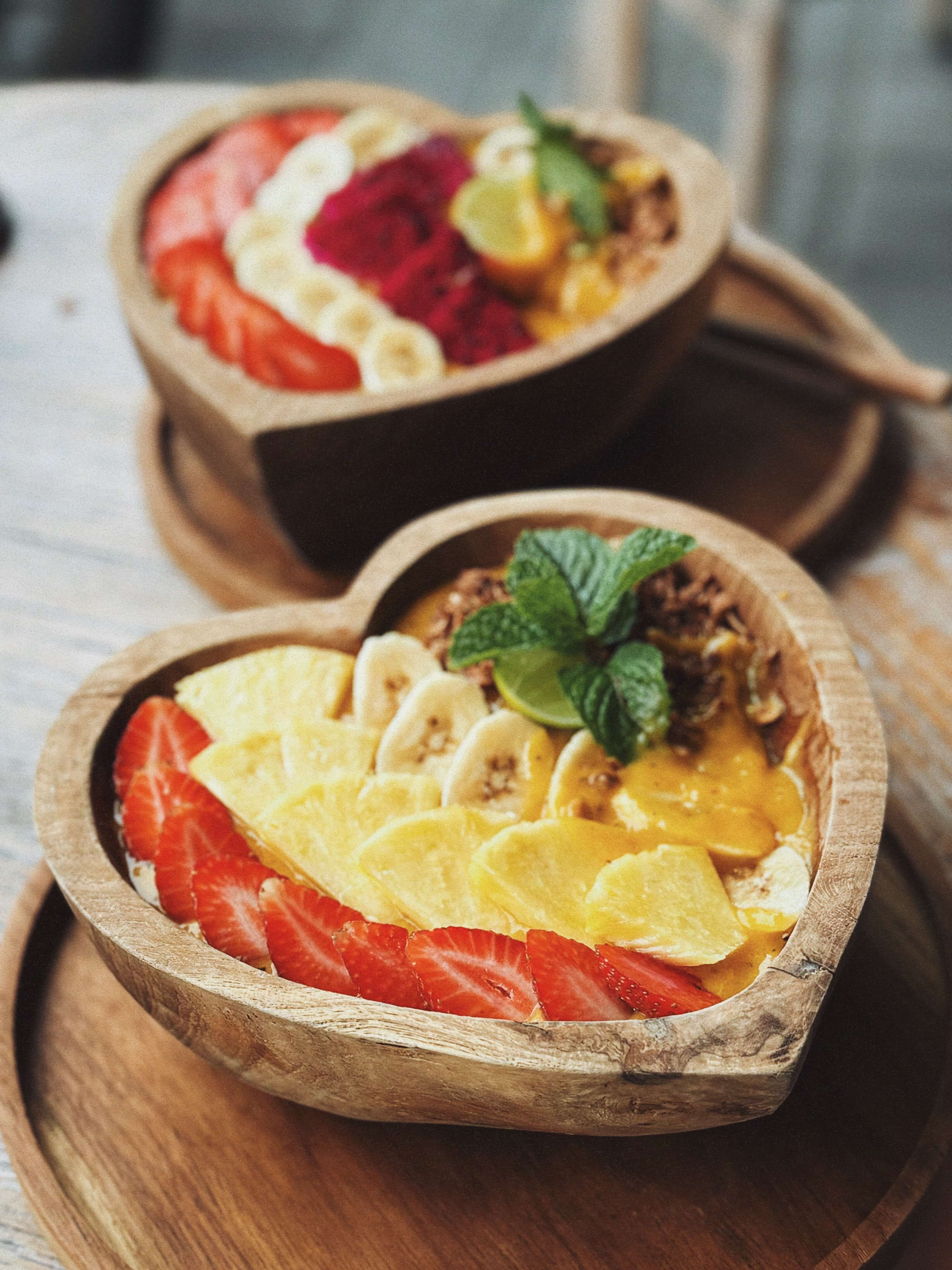
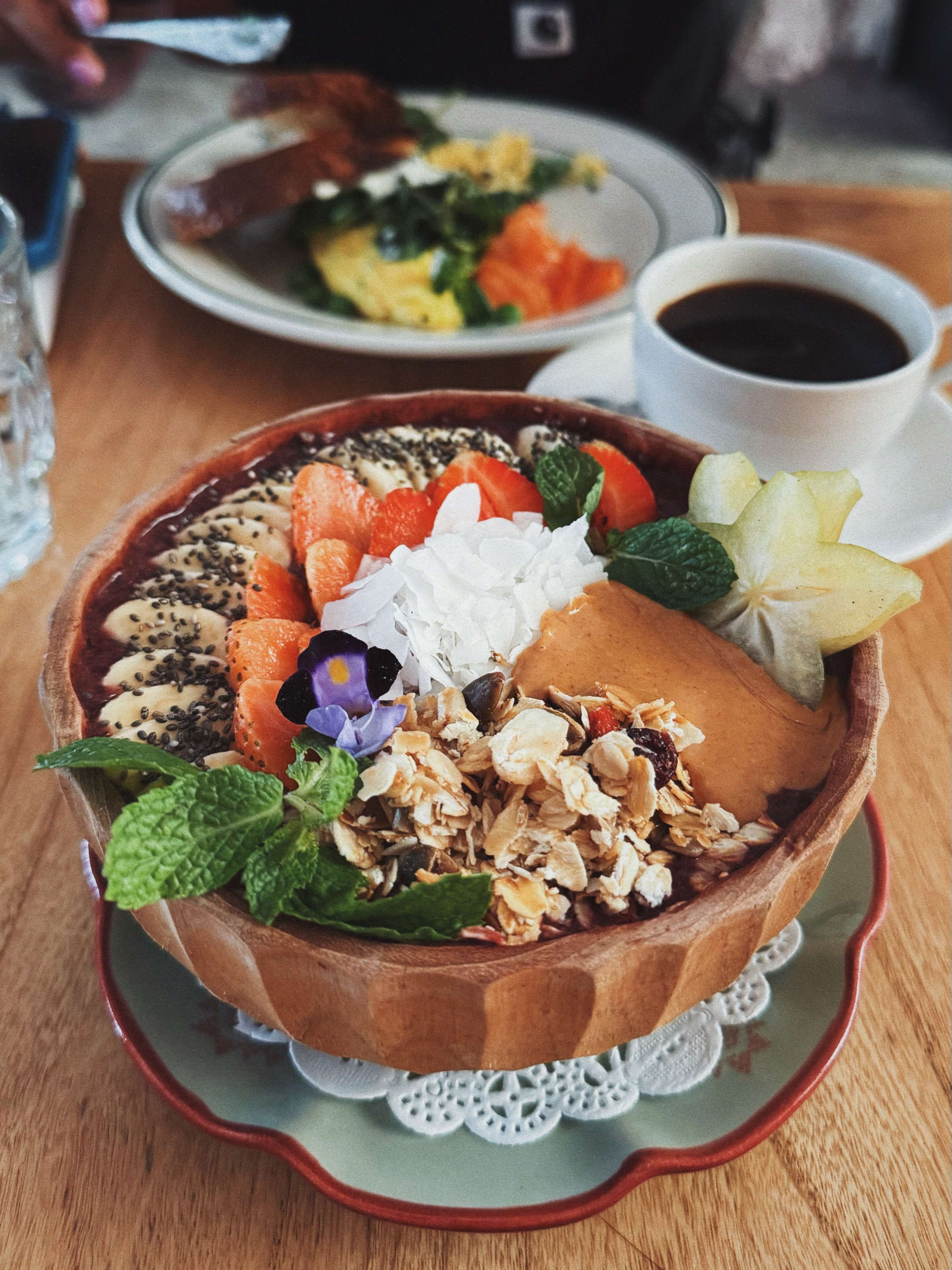
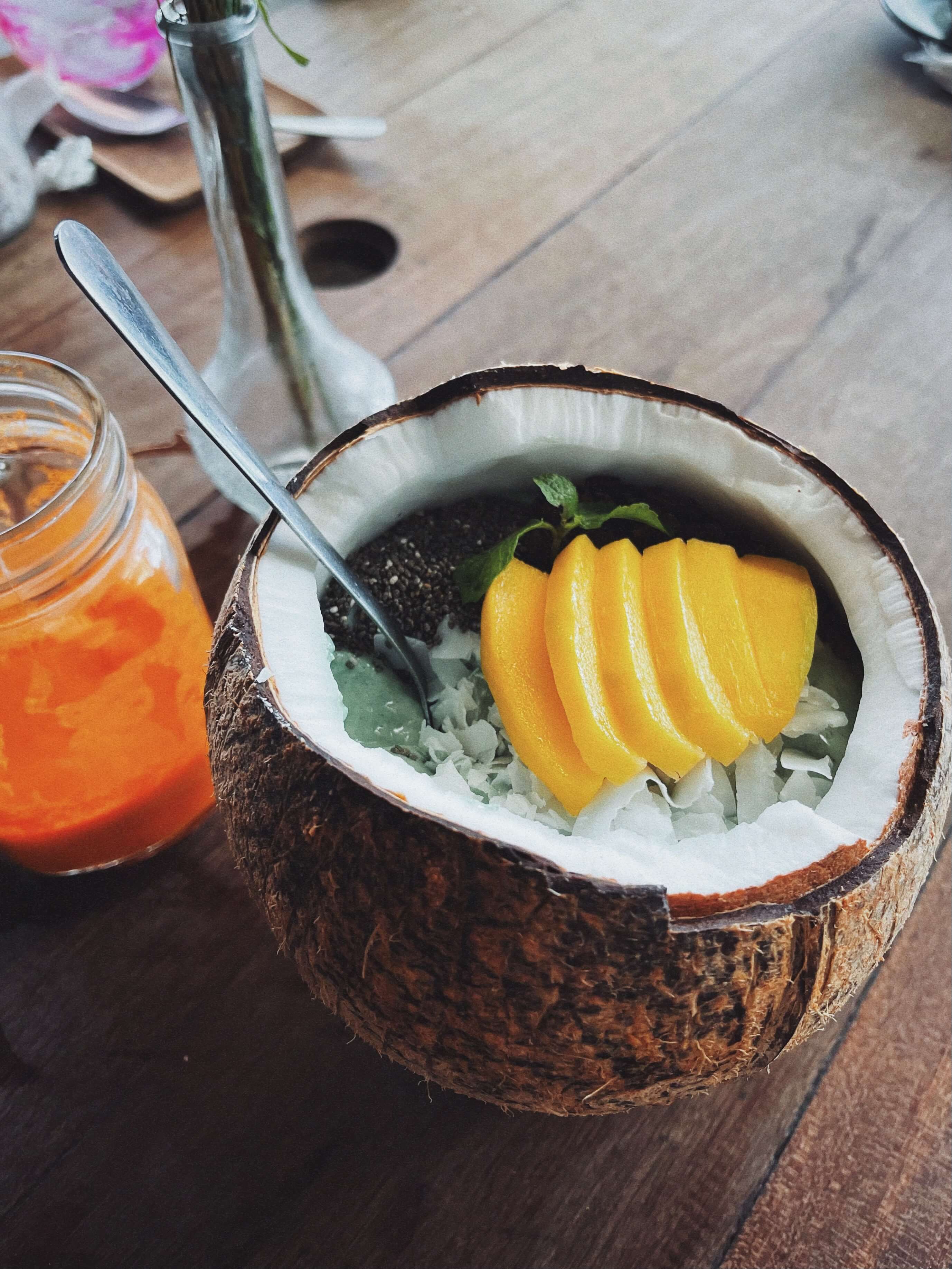
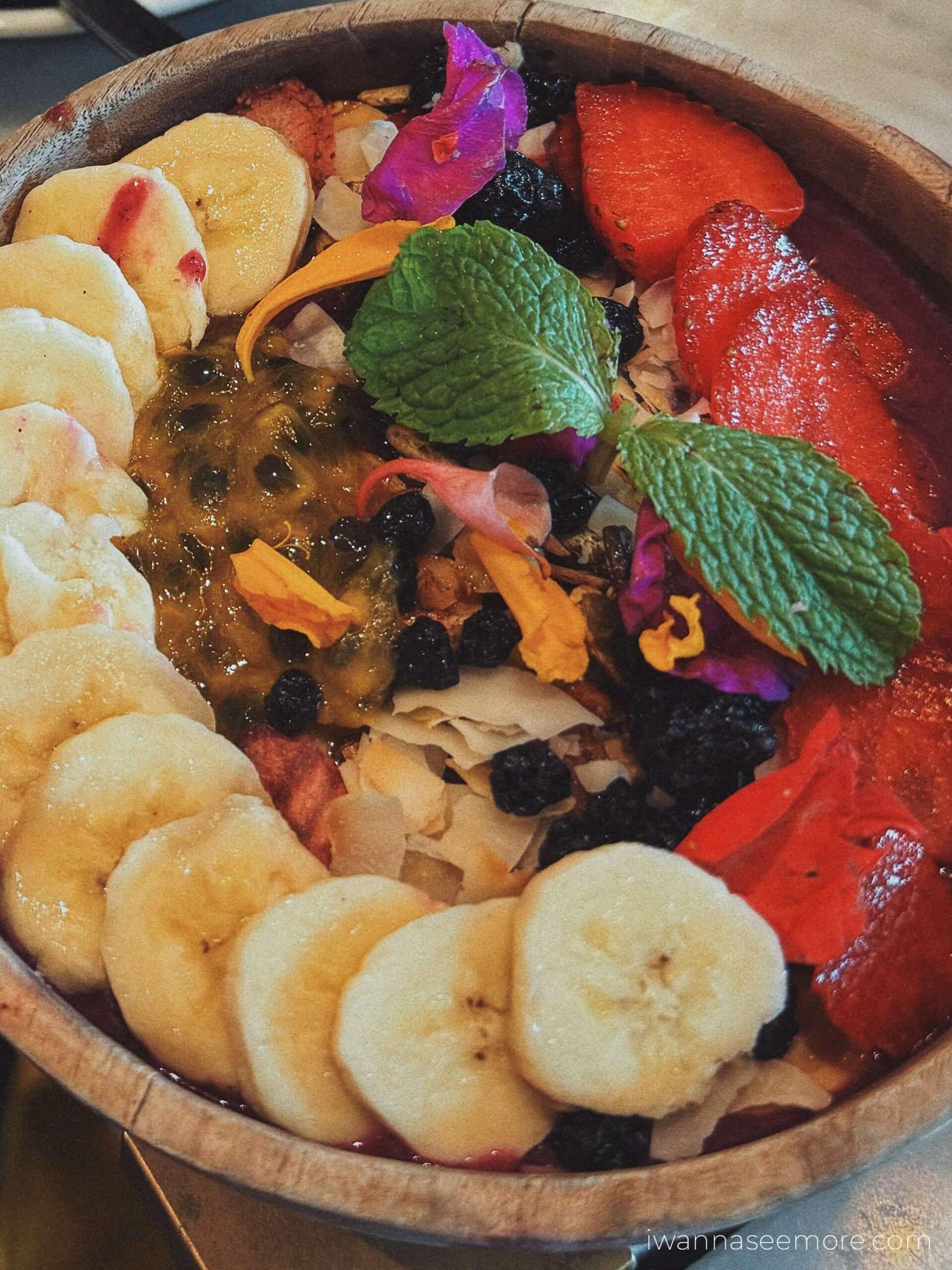
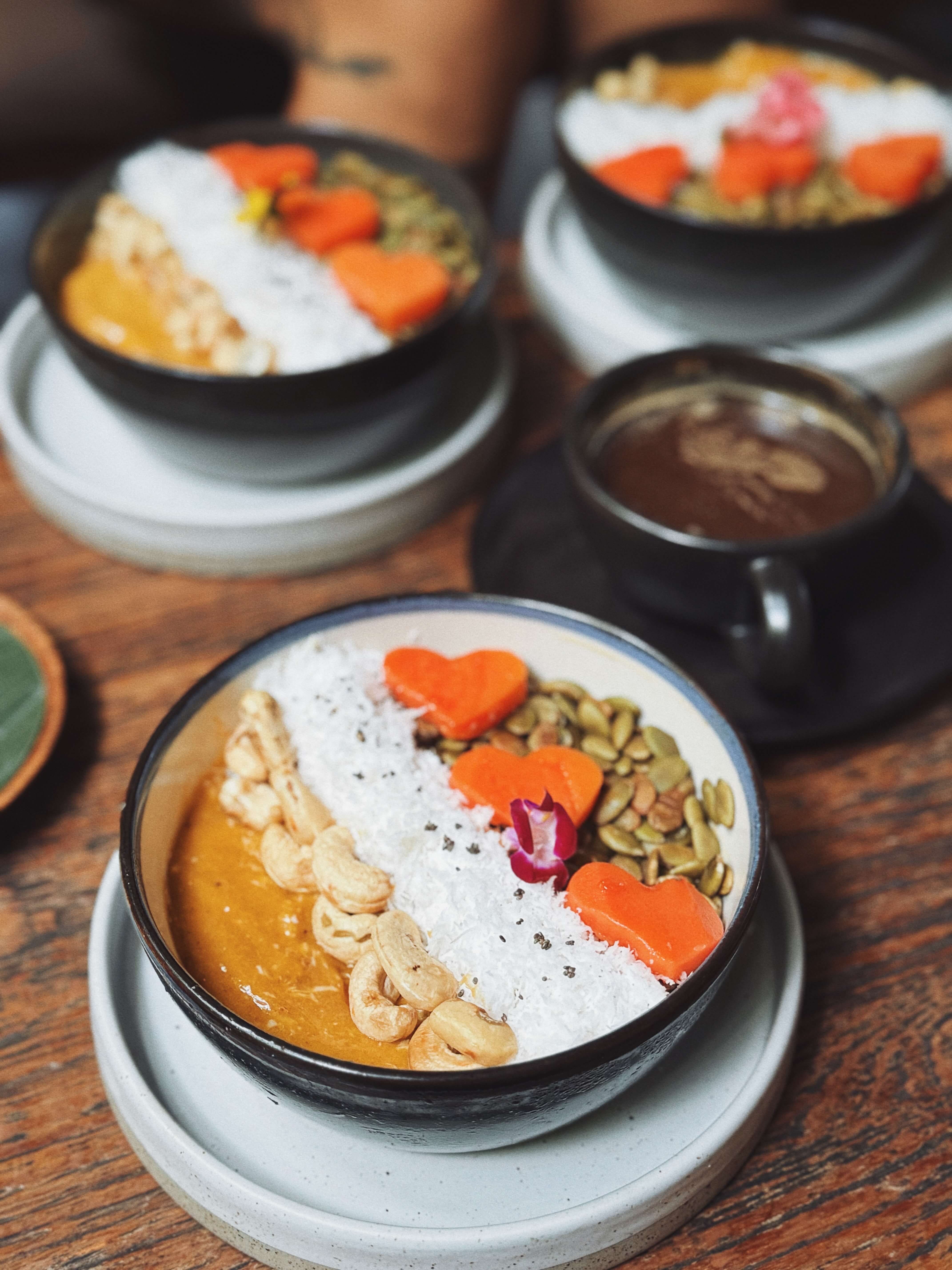
- Fruit bowl. Since we’ve already talked about fruits separately, it’s worth saying a little about the most popular dish of them all together. Even those who have never been to Bali are familiar with the local fruit bowls made from exotic fruits. This kind of bouquet on a plate is a standard item on the menu in every local restaurant, from the simplest to the most sophisticated variations. Let’s take a look at an ordinary bowl in an ordinary Balinese-style cafe – Ubud Kitchen Juice Bar (Canggu). Here you will be filled with a bowl of your choice and served in a cute heart-shaped plate. Interestingly, the price will be the same as in hipster cafes and restaurants. The average price of a smoothie bowl is 85 – 100,000 IDR ≈ 6 – 7 $.
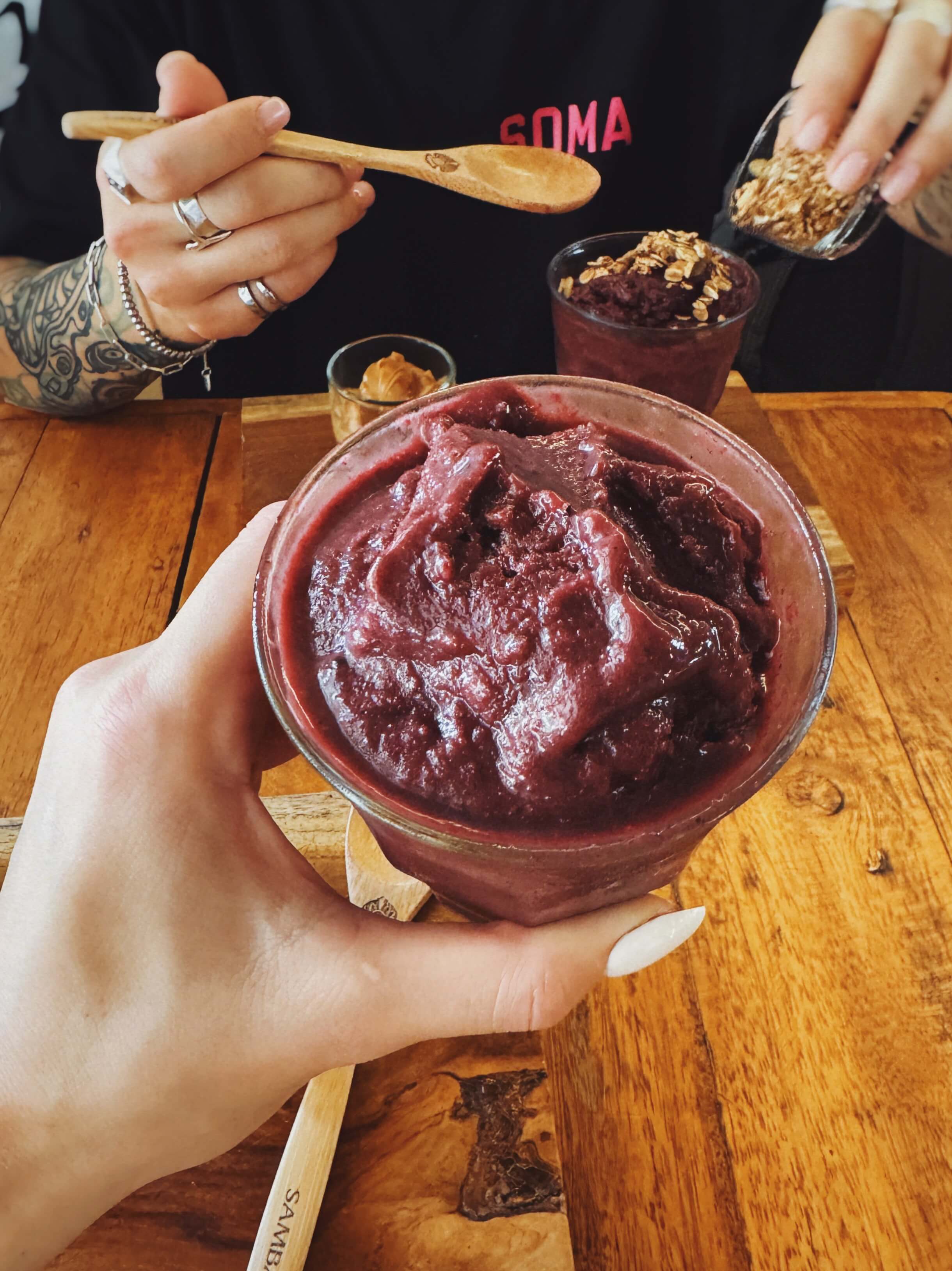
- Acai bowl – it’s not uncommon to find a separate item in establishments that is unknown to us. For us, it was a discovery, so we recommend that you try it. Acai is a Brazilian berry, a popular superfood that has many beneficial properties. A nice bonus is that it is incredibly tasty and will be a pleasant addition to any dish. A classic acai bowl in establishments that specialize in this product (yes, there are some here too) looks like this: you order the base – acai puree and choose additions to it: oatmeal, granola, nuts, other berries, fruits, and seeds. Most cafes will bring you an acai bowl already made according to your recipe. It works the same way with regular bowls.
Coffee
Indonesia’s coffee industry is ranked third among the world’s leading exporters. Out of the 700 thousand tons of coffee produced annually, about a quarter remains for domestic consumption. The rest is shipped to the United States, Europe, and Asian countries.
Tea culture is practically absent on the island, but coffee is part of the same tradition as puja (offering and appealing to the gods), three times a day. For a native Balinese, the classic kopi tubruk or kopi Bali is a taste of local ceremonies, like our grandmother’s compote from childhood. Something family and cozy. After all, the Balinese are extremely religious people and gather in temples regularly, and there are almost as many religious holidays as there are days in the year.
First, let’s talk about the well-known Kopi Lwak coffee. You’ve probably seen or heard of coffee made with the help of the special digestion of funny animals with big eyes; these are Musangs (Paradoxurus), a genus of mammals in the Weaver family.
Its main feature is the original cooking method. Small musangi animals eat the fruits of the coffee tree, digest the pulp, and defecate with coffee beans. The beans are collected, cleaned dried, and then made into a unique drink. The result is a sweet, mild drink. Kopi Luwak is an elite, expensive variety and a particularly popular Balinese souvenir, with a price of 600 $ to 700 $ per kilogram.
In Bali, mostly in the center of the island, there are several places where you can go on a tour, see these animals, and drink fresh coffee.
Bali coffee. Traditionally, Balinese coffee is not brewed in a pot or machine, but rather brewed with boiling water and covered with a lid to brew. It is made strong, without milk, but very sweet. It is respectful to pour coffee into a glass only halfway.
Of course, in every European-type establishment, you will be served beautiful, familiar coffee in a nice cup and a unicorn will be drawn on the foam.
Where to buy delicious coffee in Bali
There are three ways to buy good coffee in Bali:
- Going to a coffee plantation, tasting coffee, getting a lot of interesting information on a tour, and buying coffee from a producer you trust.
- Buy directly from a coffee shop that sells its own branded coffee. The Anomaly coffee chain is especially famous for this in Bali.
- Buy coffee in a regular supermarket and choose a good brand. Among store-bought coffee, the most trusted brand is Excelso. It is available both in beans and ground into the traditional Indonesian fine bubuk powder. The range includes Arabica, Luwak, and blends from different regions.
More and more coffee shops are appearing in Bali, making high-quality coffee their specialty. A lot of them are located in cool Ubud, hipster Canggu, and Seminyak.
Three coffee shops worth visiting in Canggu
1) Blacklist Coffee Roasters – delivers award-winning Australian specialty coffee, which they are very proud of. This is a truly iconic coffee spot, with crispy pastries delicious classic Australian cuisine, and more. For true connoisseurs, they offer a signature tasting with coffees of different origins and processing methods. It’s a great way to experience different coffees side by side and explore the ever-evolving product range. There is also an opportunity to purchase their specialty coffee or merchandise as a souvenir.
2) Fine By Satu Satu Coffee is a large, spacious establishment, great for dining and working remotely. The atmosphere of a spacious greenhouse, where you can enjoy a bright breakfast all day long with a variety of healthy and delicious dishes. Special attention to coffee. We met the owner, who told us that all the coffee is delivered from his family plantation in Bali, which was founded by his father in 1985.
☕️ Cappuccino — 35 000 IDR ≈ 2.5 $
3) Revolver is a specialty coffee made here from a blend of beans from Guatemala, Colombia, and Papua New Guinea. The quality of the coffee is so high that it is supplied to cafes, restaurants, and hotels across the island. In addition to regular coffee, you can order a cold-brewed drink. It is sold in a glass bottle, which is very convenient to take with you.“Coffee is at the heart of who we are, what we do, and what makes us unique. It all started with a small cafe in Seminyak in 2012 and then grew into several locations covering Bali.”
☕️ Cappuccino — 35 000 IDR ≈ 2.5 $
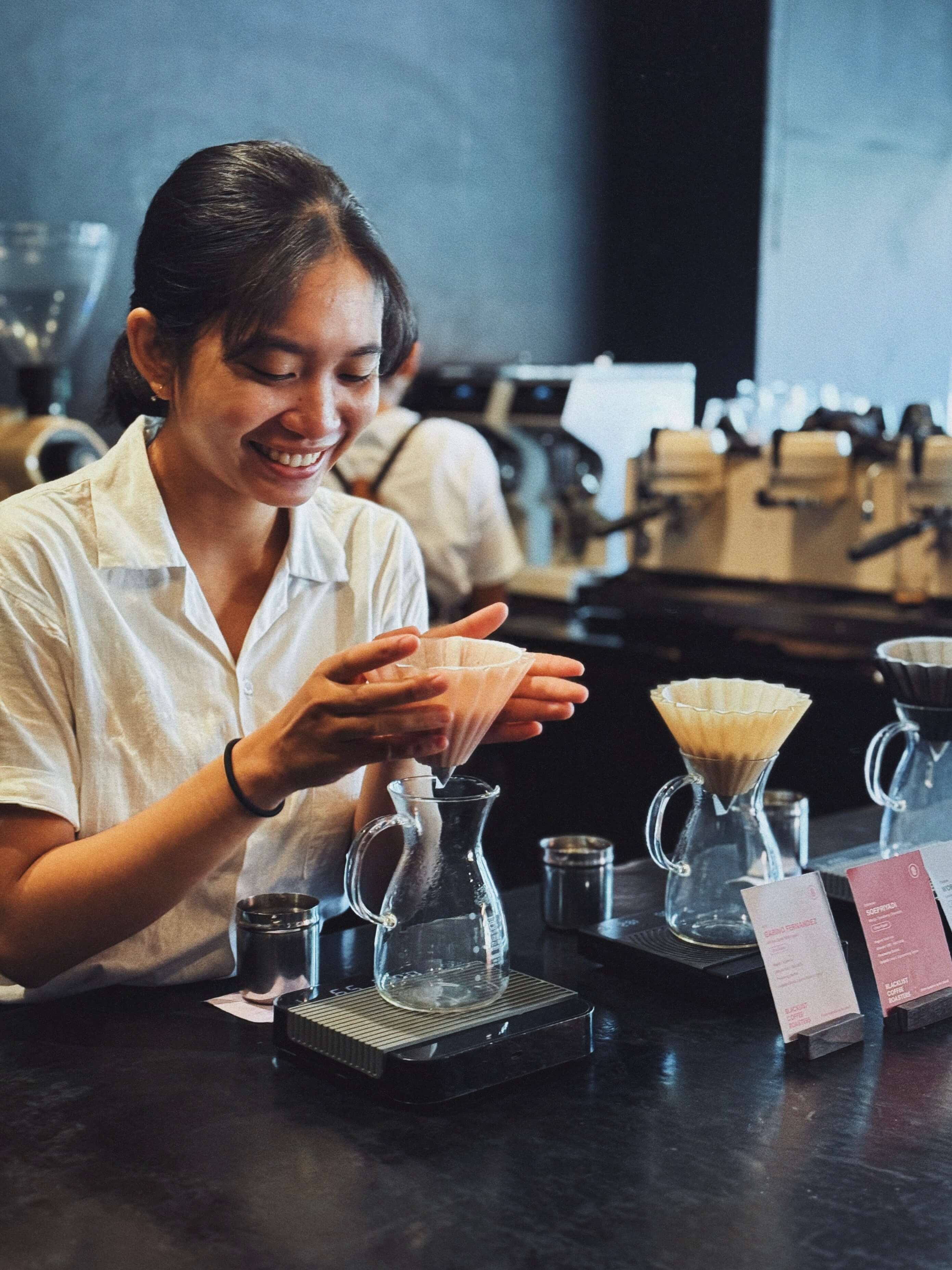
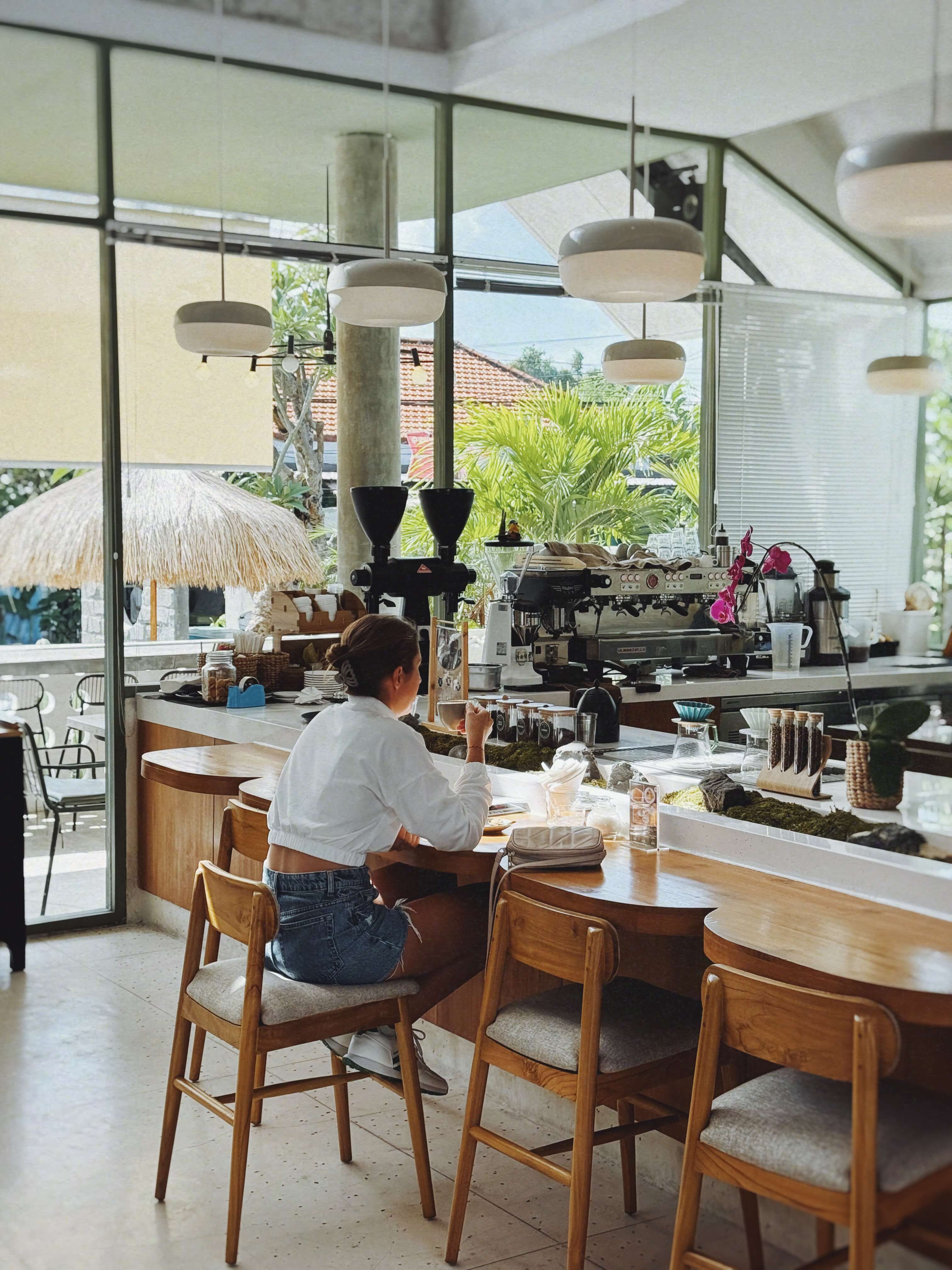
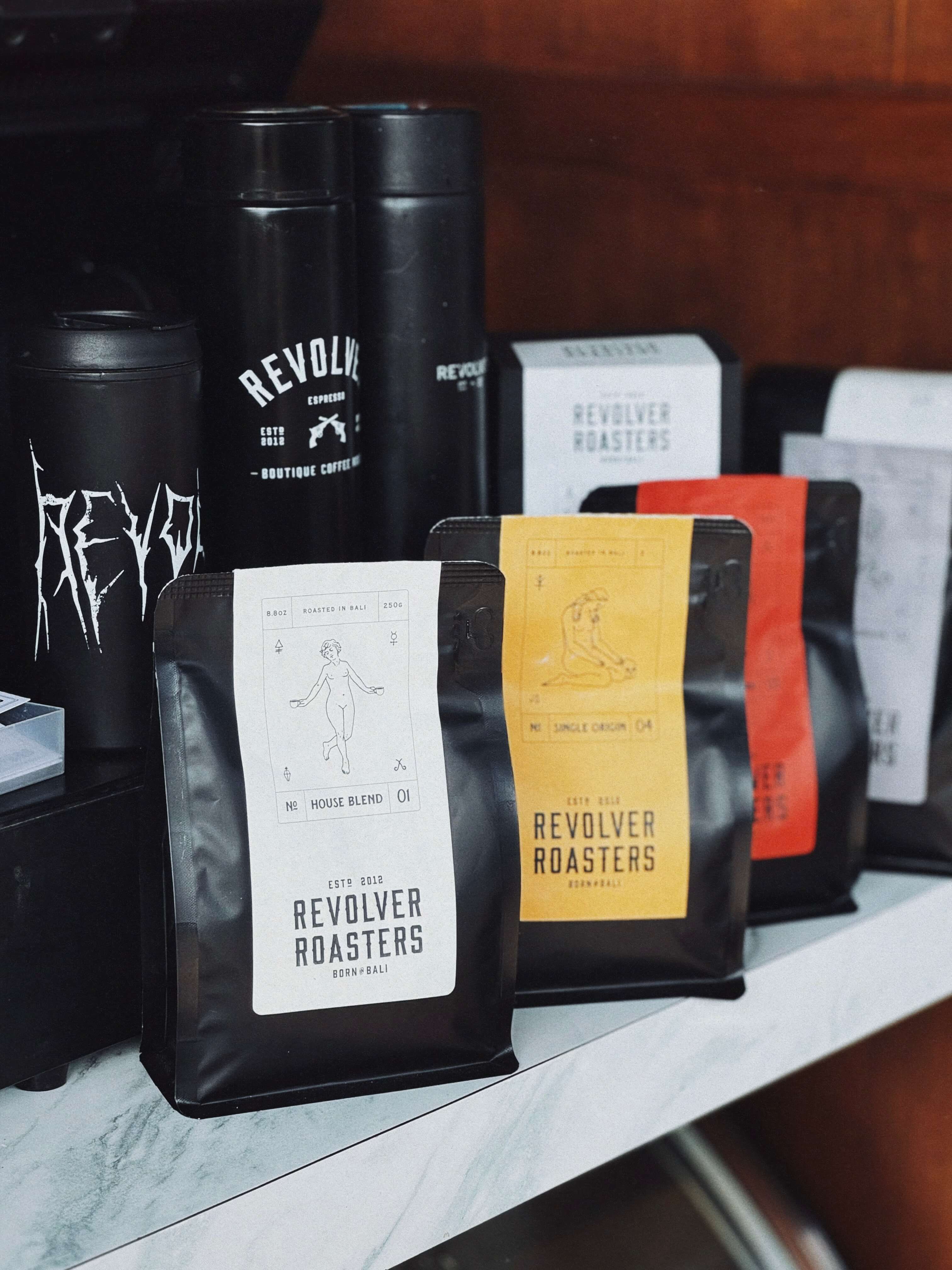
Of course, this is only a modest part of the cafes that serve excellent coffee. In Bali, it is really tasty and flavorful. We have collected the entire list of establishments in our gastronomic guide to Bali, which you can find at the link below.
Conclusion
Bali’s food is very, very diverse. From the strangest local dishes with plain rice to gourmet Italian or molecular cuisine. From local restaurants in Warungs to Michelin-starred restaurants. From places where you can eat for $2 to those where dinner will cost $100 or more. Life in contrasts, as they say.
In Bali, you will not be limited to eating only traditional local cuisine. The island offers the best samples of dishes from almost every corner of the globe. You will also find many stalls with local fruits and vegetables. Vegetarians and vegans are in paradise here. Fans of global fast food chains will not be disappointed either: KFC, McDonald’s, Starbucks, Pizza Hut and other representatives are abundant on the island.
During our year in Bali, we visited more than a hundred warungs, cafes, and restaurants. Based on our personal experience, we have drawn up a certain general picture of the island’s gastronomy. Exploring food in Bali is a full-fledged, separate type of tourism and pleasure. There is so much diversity that a person who comes to Bali for the first time gets lost in where to go and what to choose. We were often asked for advice on where to eat. This is probably how the idea of creating our guide was born, which should primarily help people find a place that suits their tastes and desires quickly and conveniently.
It’s a kind of structured guide from people who have tested everything on themselves, sorted, described, and arranged it in one place with descriptions, photos, prices, a map, and filters for quick search. We’ve made a selection of places that impressed and touched us, whether it’s their taste, atmosphere, interior, or all of these at once. We sincerely hope that you will find something for yourself in them and get the same cool emotions as we did when visiting these places.
60 best restaurants in Bali 2024 that you must visit
Travel around, visit the places on our list, try new ones, and write us your favorites in the comments, we will visit them.
The list of cafes in Bali is endless, and that’s the beauty of this island. You will never get bored and can always find a new place to diversify your already bright Balinese everyday life.
1 comment
You are my breathing in, I own few web logs and occasionally run out from to brand